Travel Guide · Planning
How Many Days Do You Need in Japan?
7, 10 and 14 days compared — and the travel-day arithmetic that quietly decides your trip.
Almost everyone asks this question the wrong way round. They start from what they want to see — Tokyo, Fuji, Kyoto, Nara, Osaka, Hiroshima — and then try to find the smallest number of days it fits into. The answer that comes back is always about nine, and the trip that results is always slightly miserable.
The better way to think about it is subtraction. Take your days, remove the ones that will disappear into trains and check-ins, and plan against what is left. It is a smaller number than you think — and once you see it honestly, the question stops being “how many days do I need?” and becomes “how many places can I actually be present in?” This is the honest arithmetic, from people who plan these trips for a living.
At a glance
Ten days is the comfortable first trip: Tokyo, Fuji or Hakone, Kyoto, Osaka. Seven days works for three places, not five. Fourteenis the one people wish they'd booked. Give Tokyo 3–4 and Kyoto 3–4— and remember that every city you add costs a day before you've seen anything.
The answer
The short answer
At a glance
10 days for a comfortable first trip. 7 if you accept three places. 14 if you can — it is the only length at which Japan stops feeling like a schedule. Under 5 days, do one city.
If you want the number without the reasoning: ten. Ten days lets you land, sleep off the jet lag, take Tokyo properly, spend a night in the mountains near Fuji, give Kyoto the three mornings it deserves, and finish eating in Osaka before you fly home. Nothing in that plan is rushed, and nothing important is missing.
Seven is entirely workable, but it is a different trip: Tokyo, one night in Hakone, Kyoto. Three places. The mistake is trying to keep the ten-day list and compress it — that is how a holiday becomes a relay. Fourteen is the luxury, and it is the one people describe afterwards as “the right amount”, which is not a phrase anyone has ever used about seven.
The arithmetic
The travel-day tax nobody budgets for
At a glance
A check-out, a transfer, a train and a check-in together eat most of a day — even at 300 km/h. A five-city trip contains four of those. That is why a 10-day itinerary delivers about 6 days of actual sightseeing.
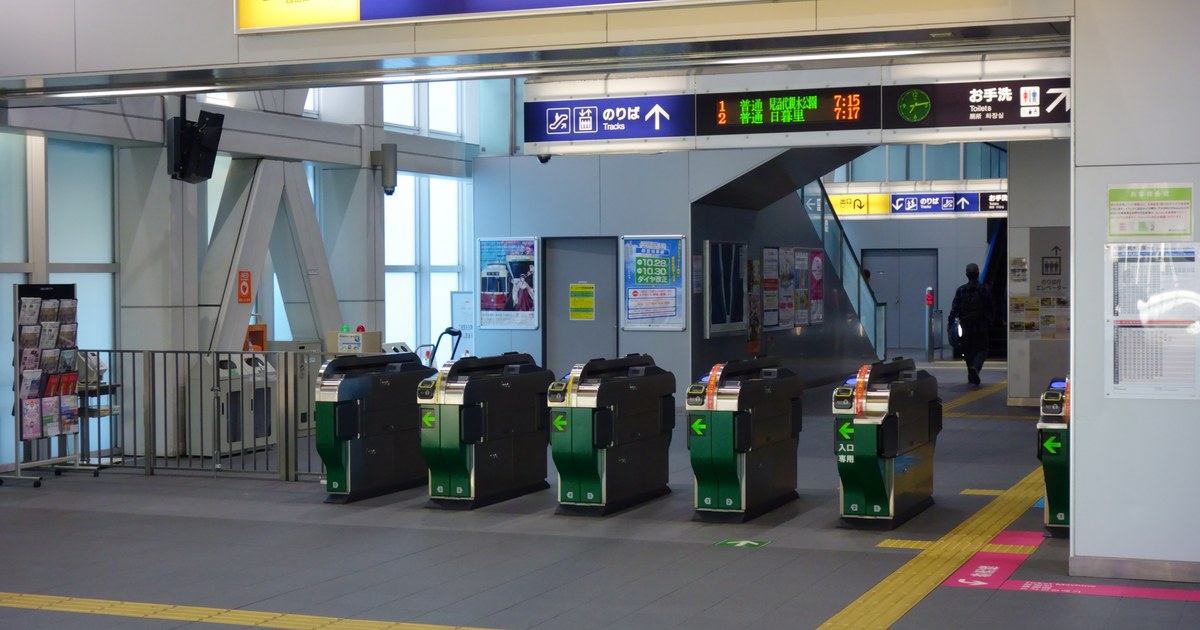
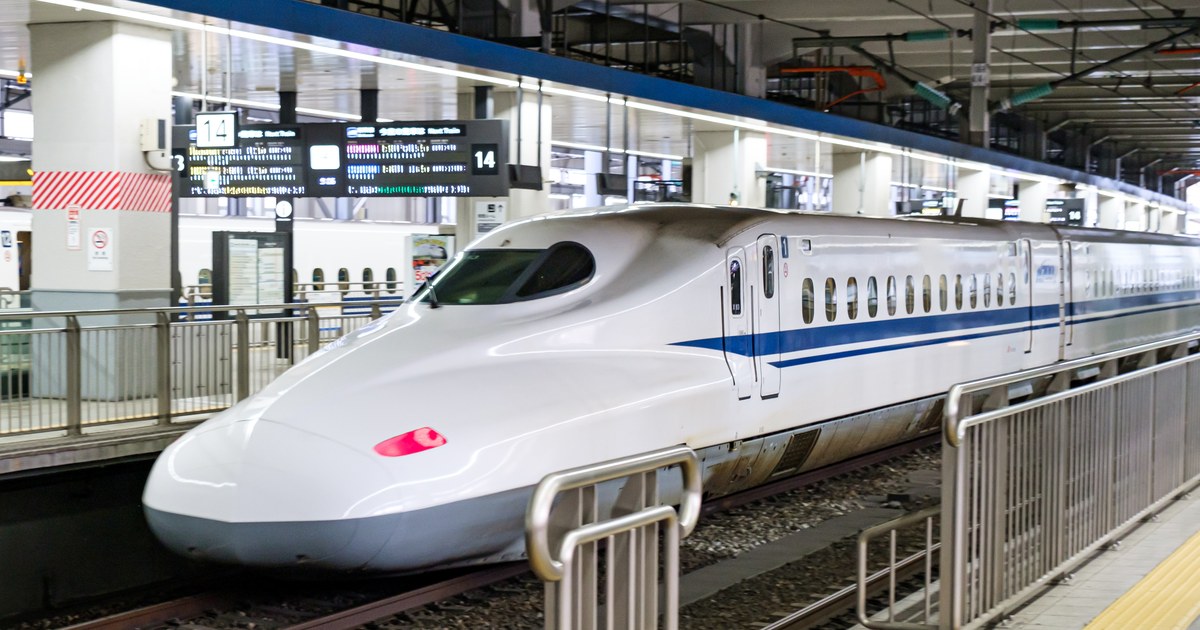
Here is the thing the Shinkansen's reputation hides. Yes, Tokyo to Kyoto is a little over two hours. But the day it lives in looks like this: pack, check out, get to the station, find the platform, ride, get off, work out the local trains or a taxi, reach the hotel, discover the room isn't ready, leave the bags, and by now it is three in the afternoon and you are tired. You have not been anywhere.
Do that four times in ten days and you have spent close to four days moving. It is not that the trains are slow — they are the best on earth. It is that changing base is expensive in a currency nobody counts.
| Trip | Cities | Real sightseeing days |
|---|---|---|
| 10 days | 5 cities | ≈ 5 — and you will feel every transfer |
| 10 days | 4 cities | ≈ 6.5 — the honest sweet spot |
| 10 days | 3 cities | ≈ 8 — slow, deep, the connoisseur's version |
The single highest-value edit to almost any Japan itinerary is to remove one city and give those nights to the ones that remain. It never feels like the right call on the spreadsheet. It always is on the trip.
The arithmetic above is the easy part. Buying the days back — bags moved, transfers shortened, the right hour at the right place — is the part that actually changes how long your trip feels. Start a conversation →
One week
7 days in Japan
At a glance
Tokyo (3) → Hakone or Fuji (1) → Kyoto (3). Three places, two transfers, no wasted mornings. Do not try to reach Hiroshima. Do not add Osaka unless you drop a Kyoto night.
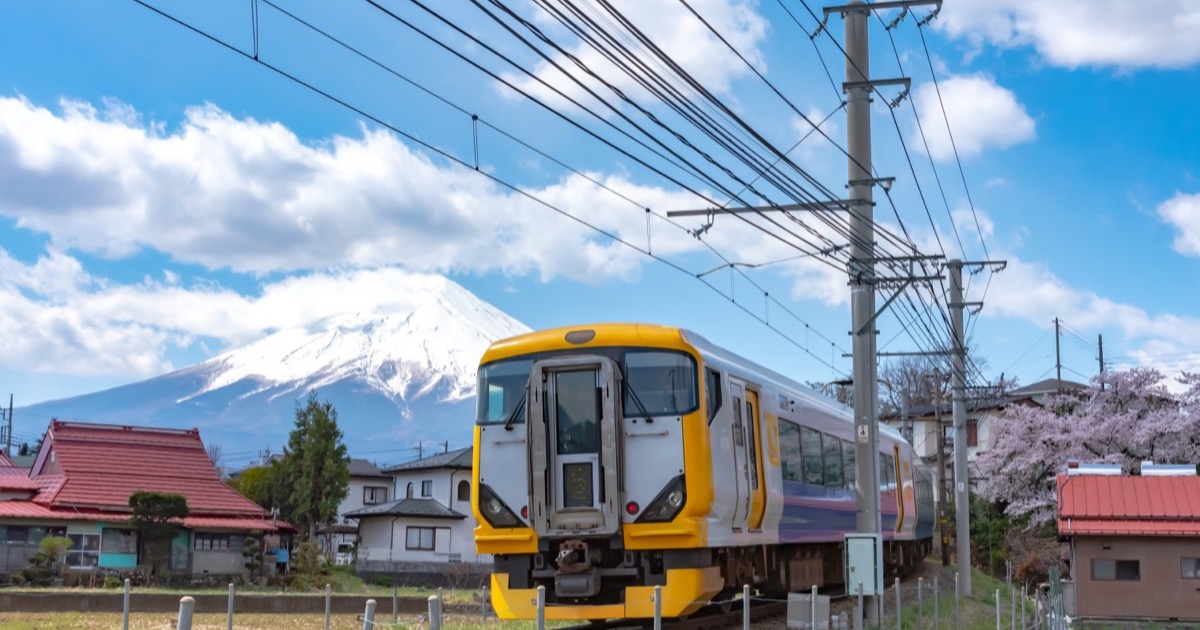
A week is the most common length and the one most often over-filled. The version that works is deliberately modest: three nights in Tokyo to land and see the city, one night in a Hakone ryokan for the hot spring and a chance at Fuji, three nights in Kyoto for the temples at their best hours. That is it. Two transfers in seven days.
What people try instead is Tokyo, Fuji, Kyoto, Nara, Osaka and sometimes Hiroshima — six places in seven days, which is a transfer every single day. They come home having seen the inside of a lot of stations and describe Japan as “amazing but exhausting”. It did not have to be exhausting.
The sweet spot
10 days in Japan
At a glance
Tokyo (3) → Hakone (1) → Kyoto (3) → Osaka (2), with Nara as a day trip from Kyoto. Fly into Tokyo, out of Osaka. This is the itinerary we recommend more than any other.
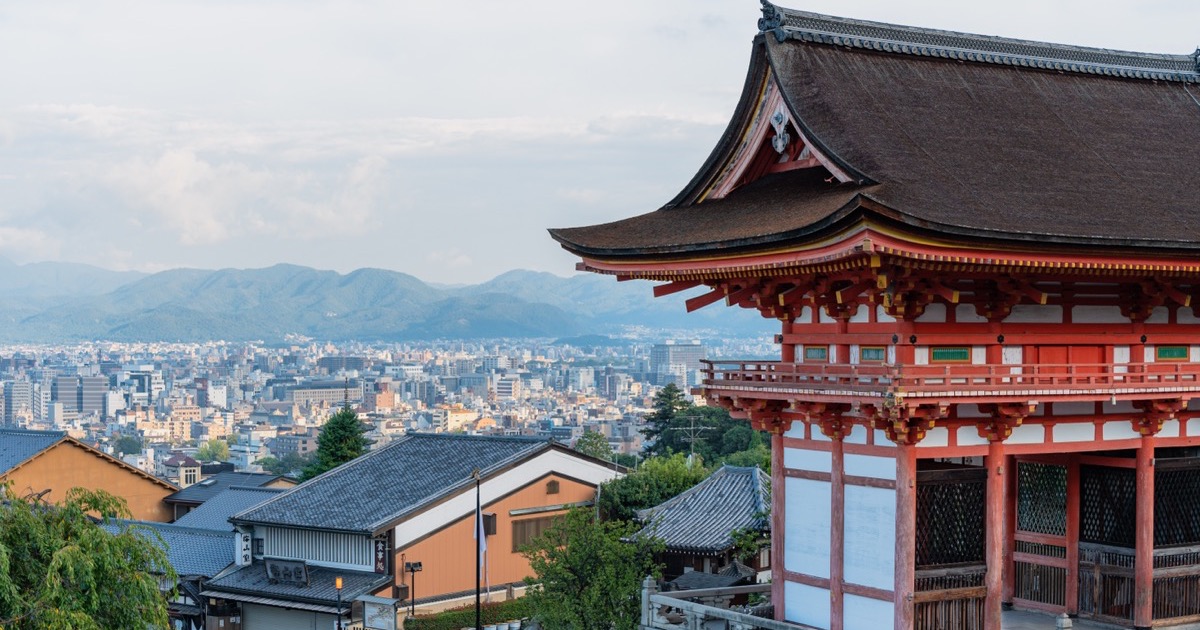
Ten days is where a first trip stops being a compromise. You get Tokyo properly — one district a day, an evening somewhere small and superb, time to recover from the flight before it counts. You get a night in the mountains. You get three Kyoto mornings, which is what it takes to see the great temples in the hour they belong to you. And you get Osaka, which most people cut and everybody regrets cutting.
The structure that makes it work is one rule: never move two days running. Every transfer is followed by at least one full day in one place. Our Golden Route guide lays this out day by day.
Two weeks
14 days in Japan
At a glance
The ten-day route plus Hiroshima and Miyajima — or, better, Koyasan and the Kumano Kodo. Two weeks is the first length at which you can stop moving every other day and let the country arrive.
If you can take two weeks, take two weeks. Not because there is twice as much to see, but because the extra four days are the ones that change the texture of the trip — the second Kyoto morning where you go nowhere famous, the afternoon you spend in one garden, the day you follow a lane because it looked interesting.
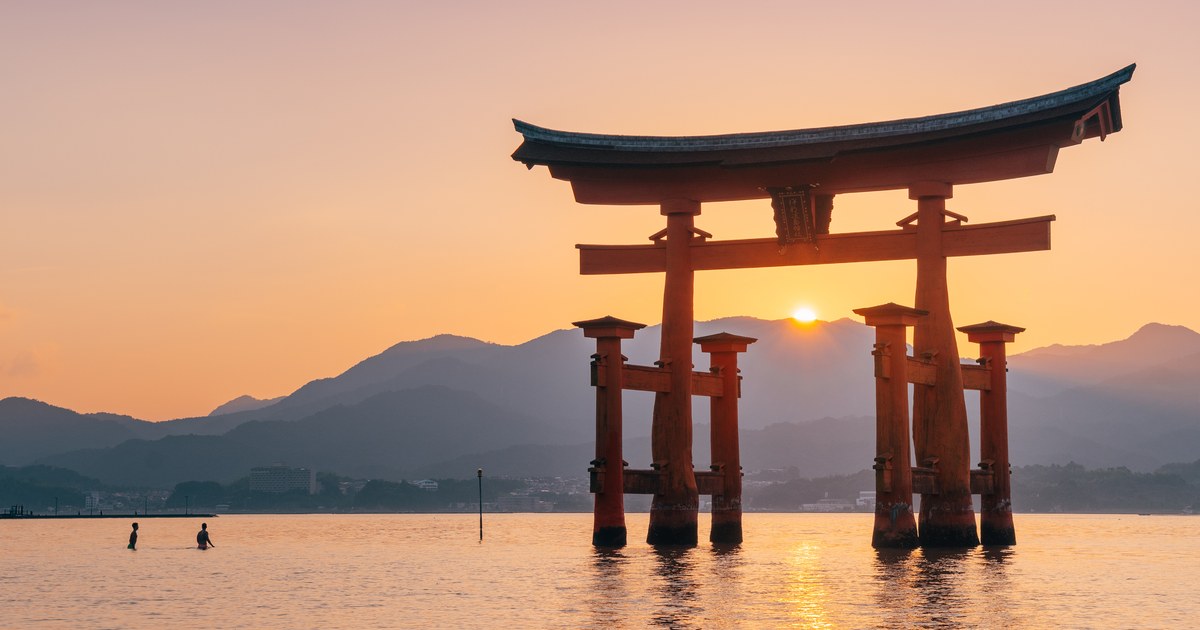
You can spend those days going further west, to Hiroshima and the great torii of Miyajima standing in the sea. Or you can go south into the mountains for a night in a temple on Koyasan and a walk on the Kumano Kodo — which is, for our money, the single best use of a second week in Japan. It is the part of the trip people talk about years later.
Breaking it down
How many days for each city?
At a glance
Tokyo 3–4 · Kyoto 3–4 · Osaka 1–2 · Hakone/Fuji 1–2 · Hiroshima 2 · Nara a day trip, not a night.
Tokyo
3–4 nights
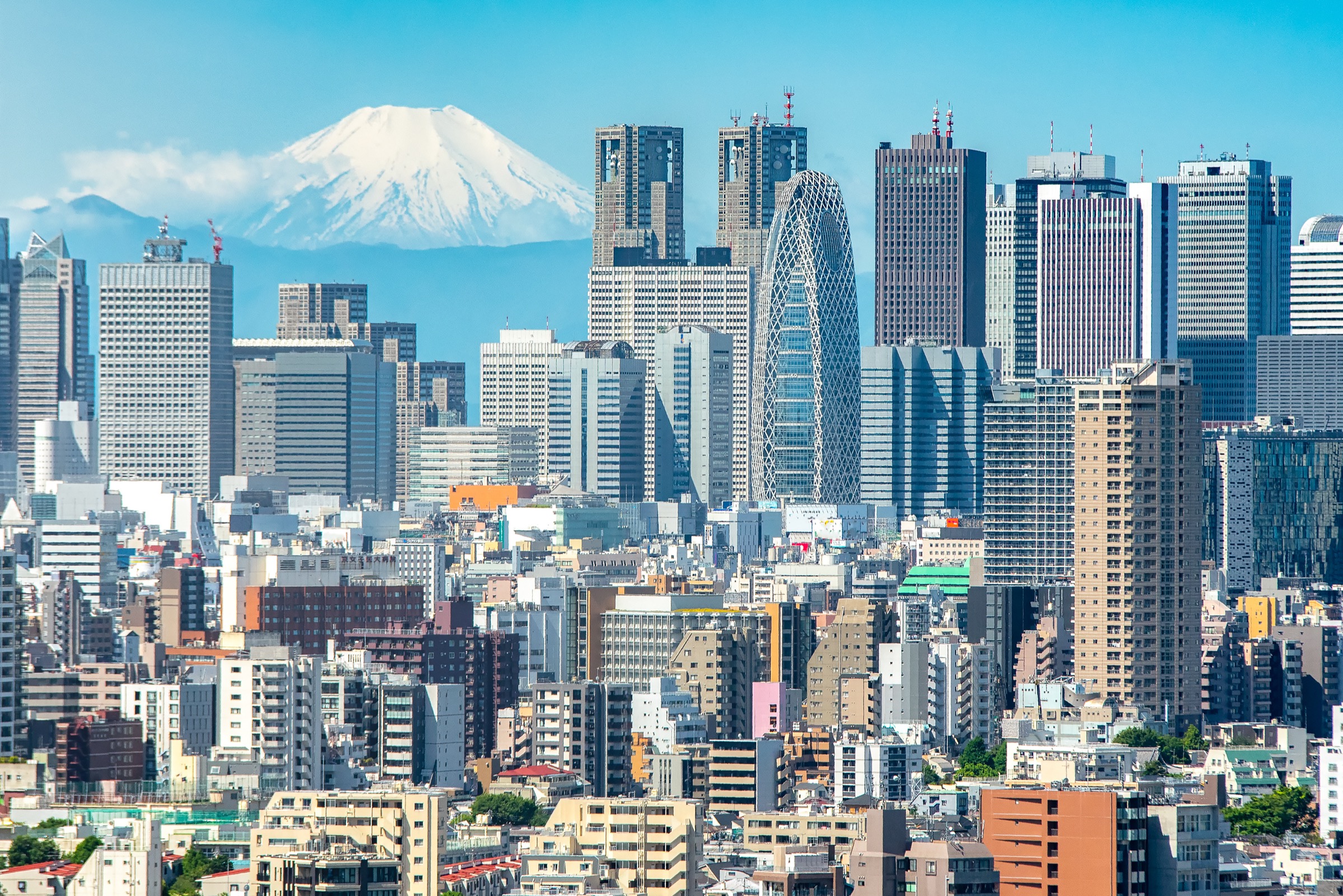
Three is the floor for a first visit — one district a day, and the jet lag lands here where it does least damage. Four if you want a day trip to Kamakura or Hakone. Tokyo could take a fortnight, but past four days most first-timers are better served moving west.
Kyoto
3–4 nights
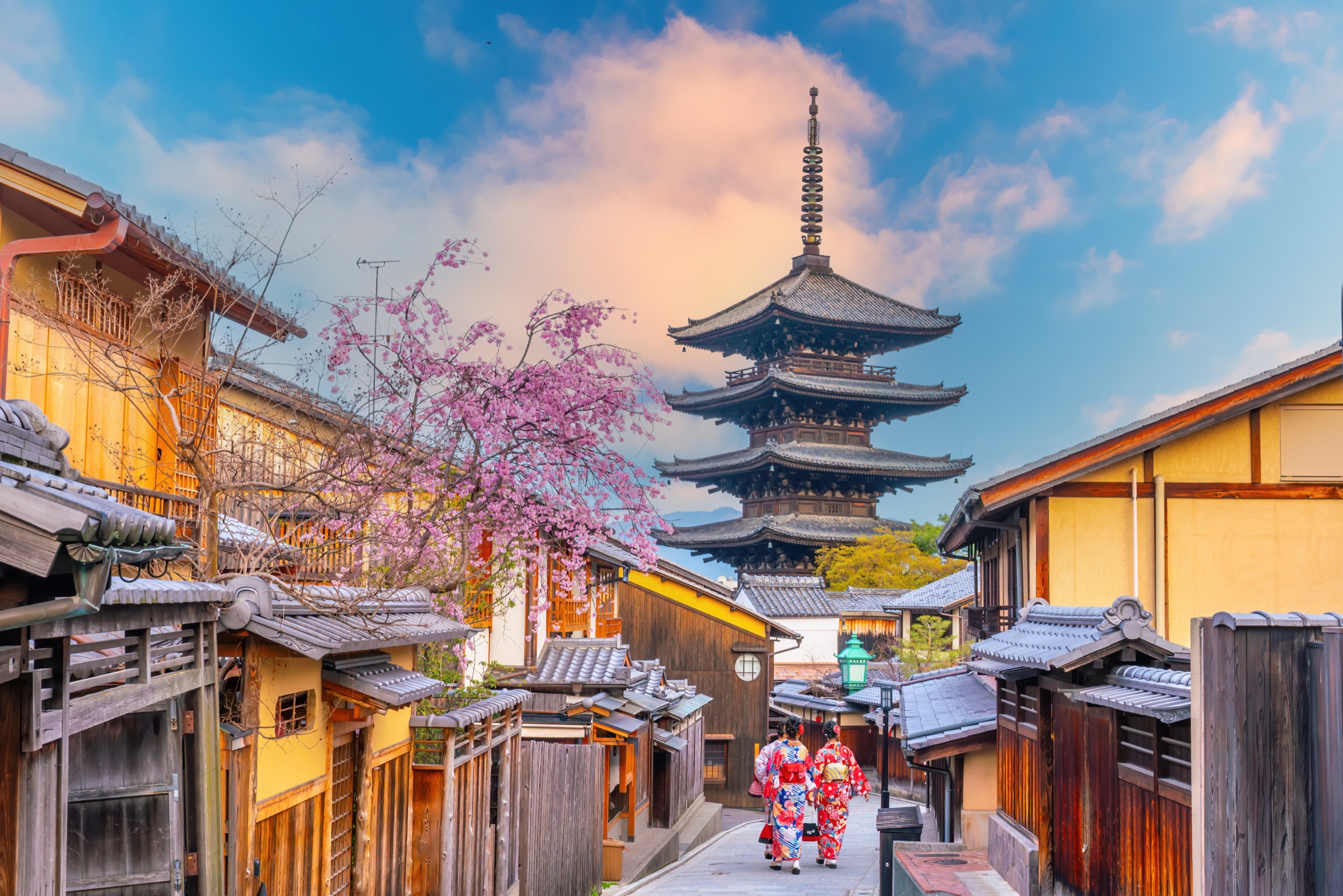
Three nights buys you three mornings, and mornings are the entire game in Kyoto. Two nights means seeing the famous temples at the hours they are least beautiful. Four adds Nara or Uji without touching your temple time.
Hakone & Mt. Fuji
1–2 nights
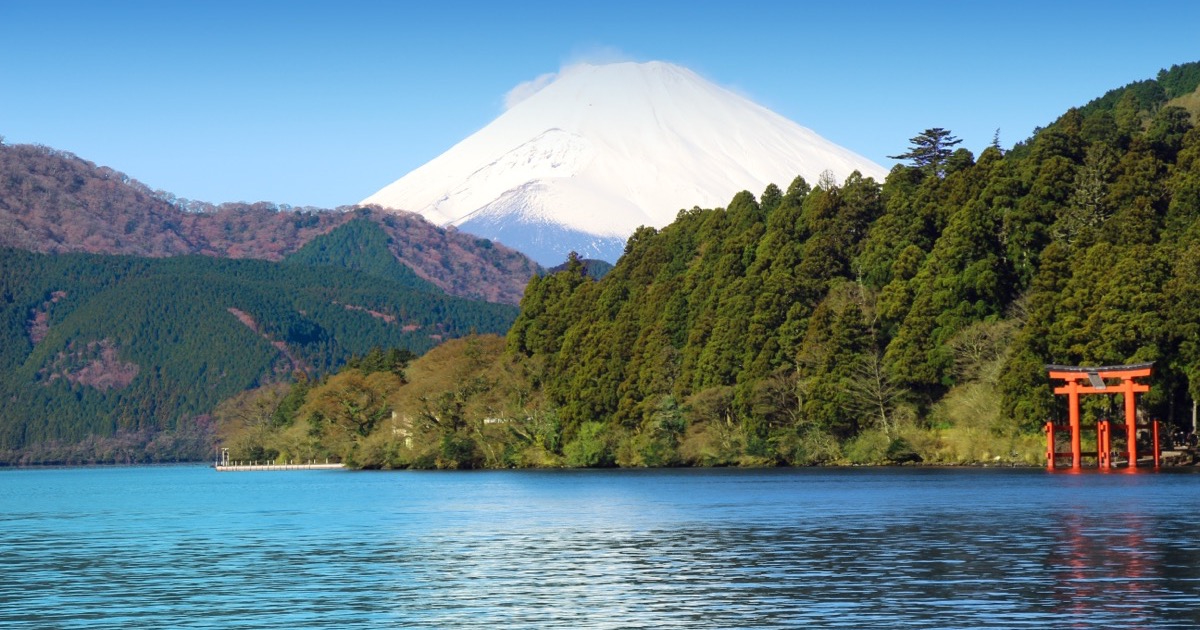
One night is enough and far better than a day trip — you get a dawn, which is when Fuji is most likely to be out. Two nights if the ryokan is the point, which is a perfectly good reason.
Osaka
1–2 nights
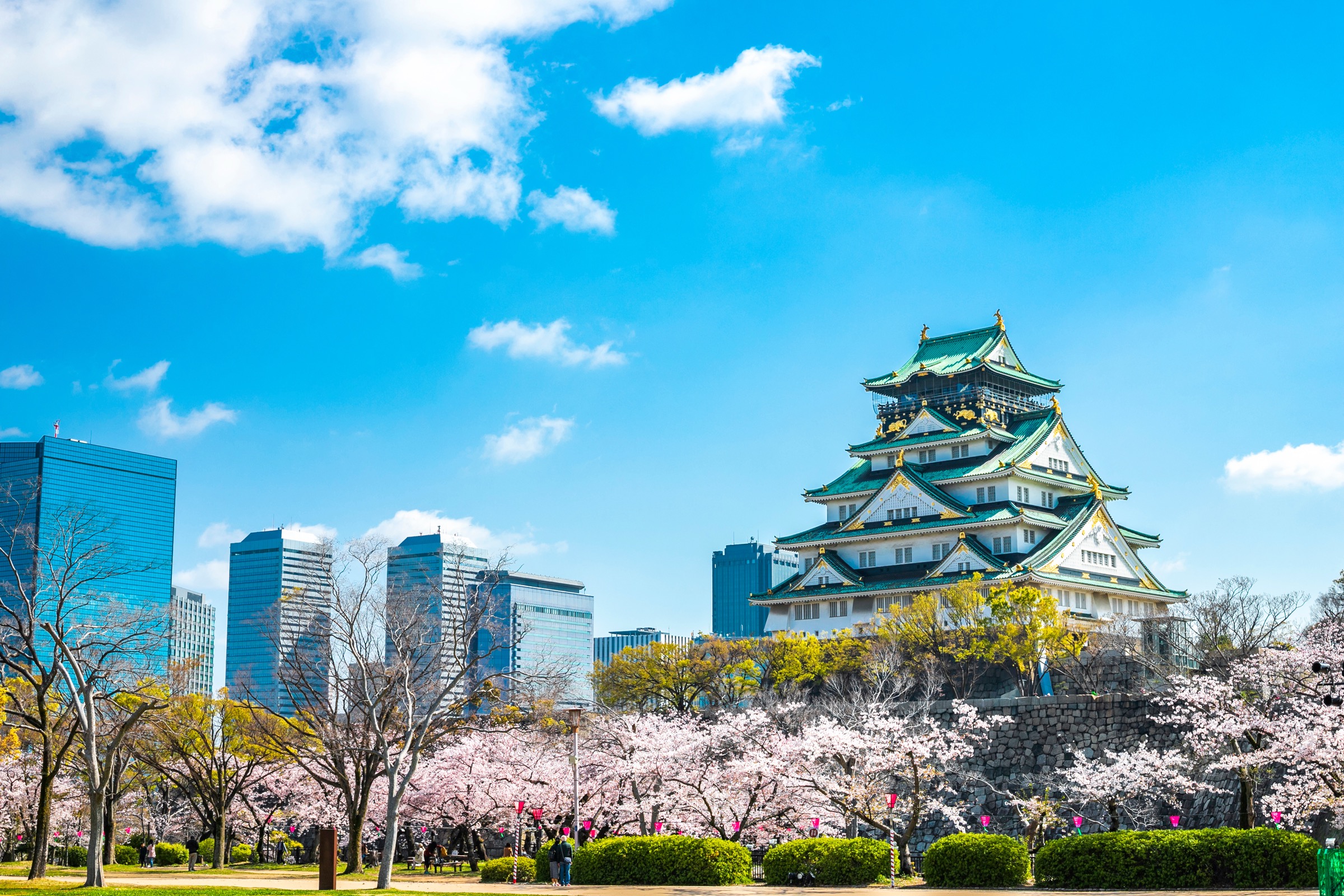
One night and one serious dinner is the minimum that does it justice; two if you like eating. It also works as the whole Kansai base — Nara, Kobe, Himeji and Kyoto are all under an hour.
With family
How many days with children?
At a glance
Plan 25–30% fewer sights per day, or add days. A family's 10-day trip should cover what a couple would do in seven. Build in downtime — the pool, the park, the afternoon with no plan — and everyone has a better week.
Japan is superb with children — safe, clean, endlessly interesting, and full of food that children actually want to eat. What it isn't is forgiving of over-scheduling. The temple that moves you is the temple your eight-year-old has strong feelings about after twenty minutes, and the day falls apart from there.
The fix is arithmetic, not discipline. Take whatever you would do as a couple and remove a third of it. Keep the mornings for the sights and give the afternoons back. Choose hotels with a pool. Put Osaka in the plan, because it is the day everyone relaxes. Our 10-day family itinerary is built on exactly that principle.

Coming back
How many days for a second trip?
At a glance
Ten days in one region beats another dash along the Golden Route. The Kii Peninsula, the Japan Alps, Kyushu, the north — second trips are where Japan stops being a highlights reel.
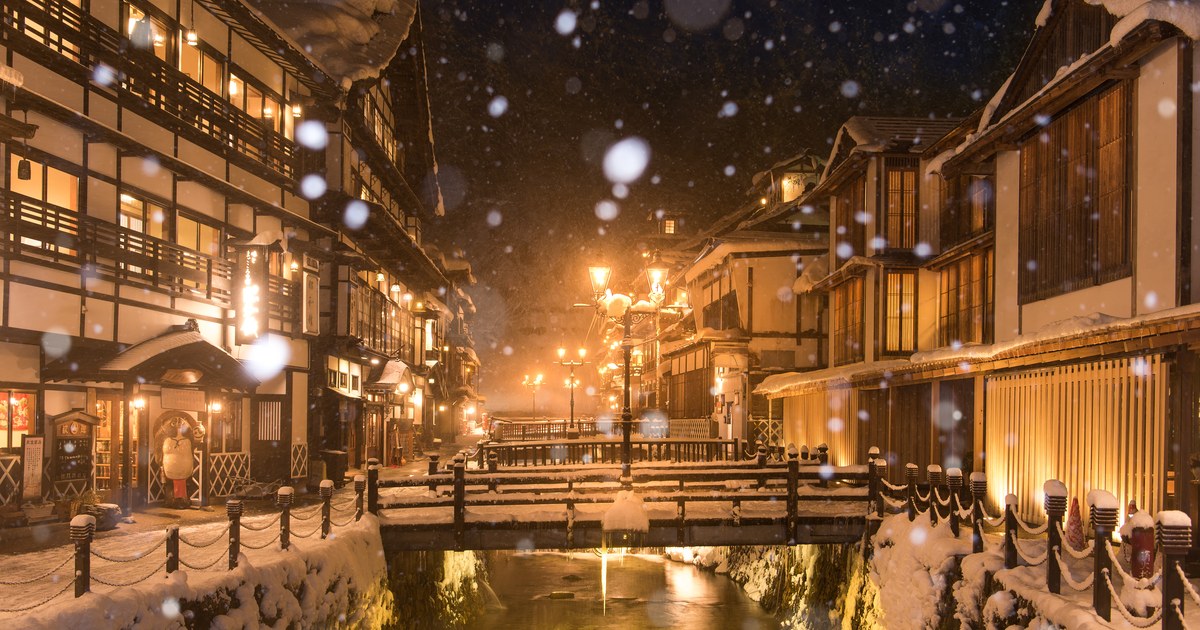
The first trip is about the famous things, and it should be. The second is where the country actually opens. The best second trips we plan are not longer — they are narrower: ten days in one region, moving twice instead of five times, walking somewhere, staying in inns that have been in the same family for generations.
The Kii Peninsula — Koyasan, the Kumano Kodo, the hot springs of the mountains — is the one we suggest most often. But the Japan Alps, Kyushu's volcanoes and onsen, or the deep north in winter all do the same job: they give you a Japan that has nothing to do with a checklist. If you have the shape of a second trip in mind, our off-the-beaten-path guide is the place to start.
The difference
What a private guide adds
The arithmetic above is the easy half. The harder half is what happens inside the days you have — arriving at each place in the hour it belongs to you, having the bags moved so a transfer costs an hour instead of a morning, and being able to change the plan because today is the clear day.
That is the part we handle. It doesn't add days to your trip. It just stops you losing them.
Plan your days in Japan →Questions, answered
How many days do you need in Japan?+
Ten days is the comfortable minimum for a first trip that covers Tokyo, the Fuji region and Kyoto without rushing. Seven days works if you accept three places rather than five. Fourteen days is the version most travelers say they wish they had booked.
Is 7 days enough for Japan?+
Yes — for two or three places. Seven days does Tokyo, one night near Fuji or in Hakone, and Kyoto very well. What seven days cannot do is the full Golden Route down to Hiroshima; attempting it turns the week into a series of train stations.
How many days do you need in Tokyo?+
Three to four. Two covers the headline sights at a rush; three lets you take one district a day and eat properly; four adds a day trip to Hakone or Kamakura. Tokyo can absorb a fortnight, but three to four is the point of diminishing returns for a first visit.
How many days do you need in Kyoto?+
Three to four. Two days sees the famous temples in a hurry; three lets you visit them at opening and dusk when they are beautiful, plus a quiet district; four adds Nara or Uji as a day trip.
Is 14 days too long in Japan?+
Not remotely. Fourteen days lets you add Hiroshima and Miyajima, or Koyasan and the Kumano Kodo, and — more importantly — stop moving every second day. Almost nobody comes home from two weeks in Japan wishing they had booked less.
How many days do you lose to travel between cities?+
More than people expect. A check-out, a transfer, a train and a check-in consumes most of a day even on the Shinkansen. A five-city itinerary contains four of these — so a ten-day trip delivers about six days of actual sightseeing.
Do you need more days if you're traveling with children?+
Yes — plan roughly 25 to 30 percent fewer sights per day, or add days. Children need downtime, and the days that work with a family are the ones with a pool or a park in the middle. A 10-day family trip should cover what a couple would do in seven.
How many days for a second trip to Japan?+
Second trips are where Japan opens up. Ten days spent slowly in one region — the Kii Peninsula, the Japan Alps, Kyushu, or northern Honshu — will be richer than another dash along the Golden Route. The country rewards depth on the second visit.
Continue exploring