
Travel Guide · Kyoto
Kyoto: The Complete Guide
How many days you need, which temples are worth your hours, where to stay — and how to see Kyoto without the crowds.
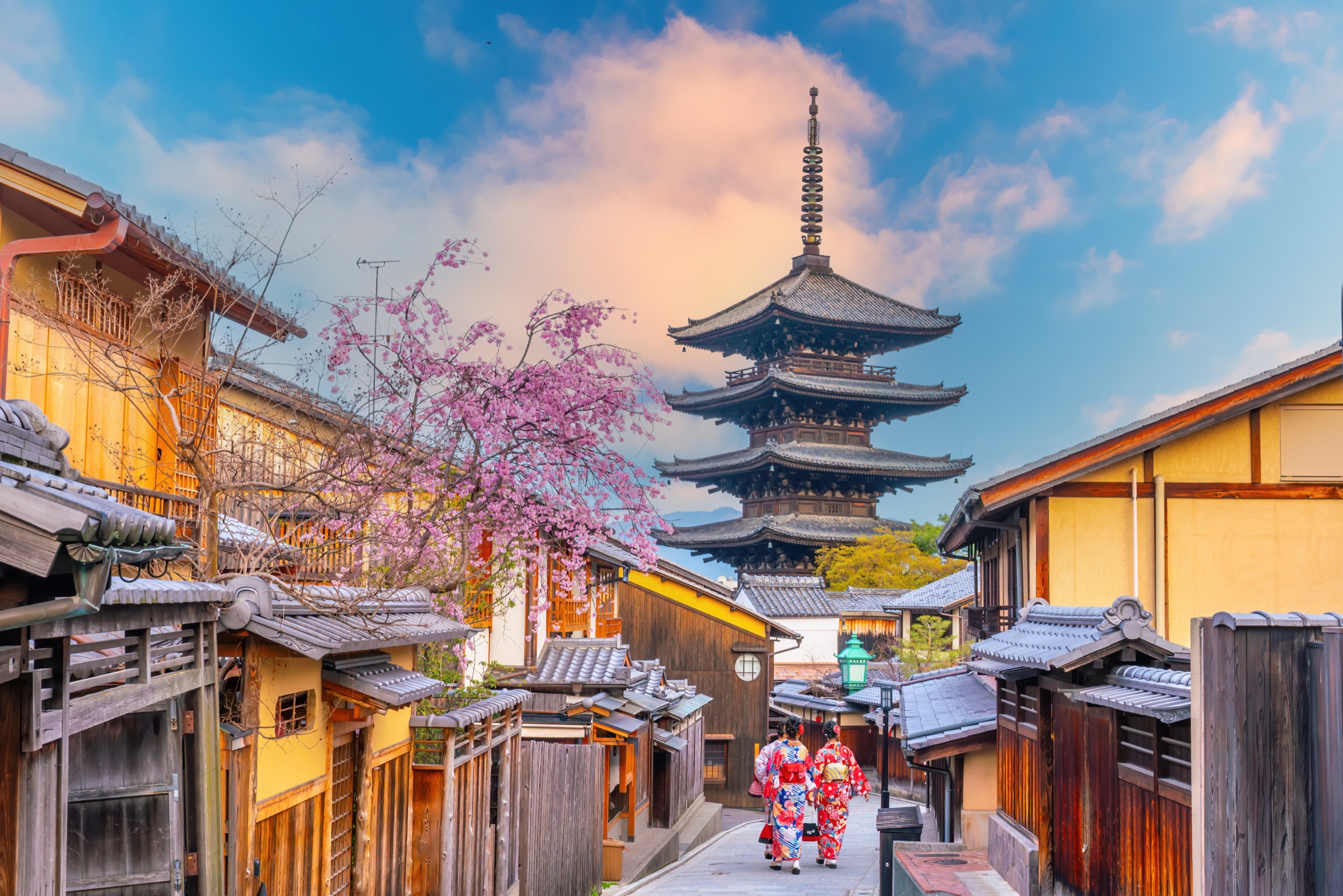
Kyoto is not a museum. It is a working city of a million and a half people that happens to hold a thousand years of Japan inside it — a place where a convenience store sits at the end of a lane that leads to a garden raked before dawn. That collision is the whole pleasure of it, and it is also why Kyoto rewards a little planning more than almost anywhere else in the country.
This is the honest version of a Kyoto guide: how long to stay, where to base yourself, which of the two thousand temples actually deserve your hours, where to eat, and — the part most guides skip — how to be in the famous places without the crowd that has come to define them. We plan and lead these days for a living, so everything here is what we'd tell a friend, not a list copied from the next site.
At a glance
Three to four days is the sweet spot for Kyoto — enough for the great temples, one or two quiet districts, and a day trip to Nara or Uji. Stay downtown for convenience or Higashiyama for atmosphere, pair two neighbouring districts a day, and do the famous sights at opening or at dusk. That last habit changes everything.
Planning
How many days do you need in Kyoto?
At a glance
Three to four days suits most first visits. Two days is a rushed taste on a wider Japan loop; four to five rewards anyone who wants the gardens, the craft workshops and the quiet sub-temples rather than a checklist of famous roofs.
Kyoto can absorb a fortnight and still hold back. But the honest limit isn't how much there is to see — it is how many temples a person can look at before they stop actually seeing them. Three or four days, paced properly, leaves you with a city under your skin. Seven days done as a march leaves you with a camera roll and a blur.
| Days | What it gives you |
|---|---|
| 2 days | The icons — Kiyomizu, Fushimi Inari, Arashiyama — at a brisk pace |
| 3 days | The above, unhurried, plus Gion at dusk and one quiet district |
| 4 days | Add a day trip to Nara or Uji, and a garden or workshop at your own pace |
| 5+ days | Northern Kyoto, the sub-temples, craft and kaiseki — the connoisseur's city |
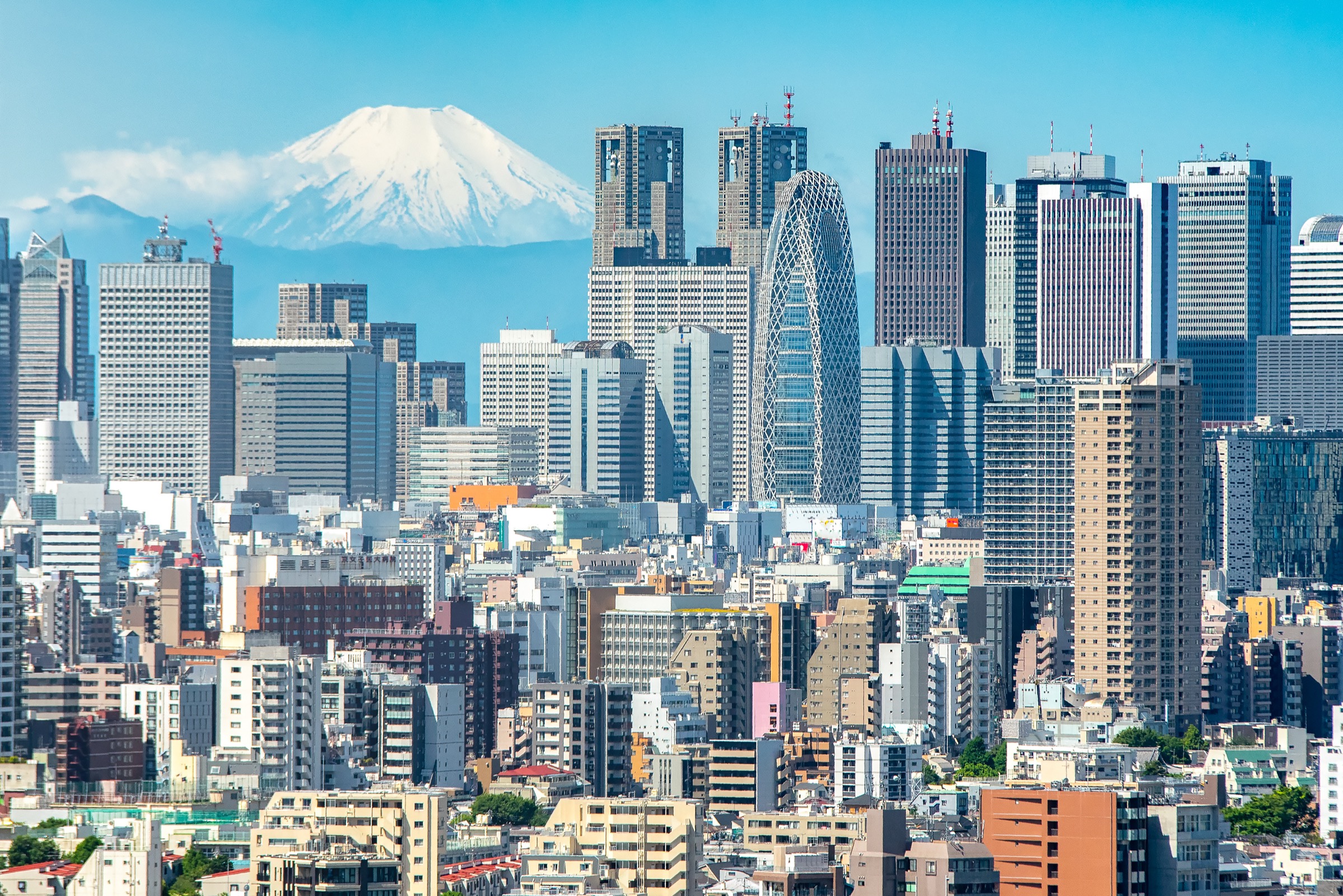
Most travelers arrive from Tokyo, and the two cities balance each other: Tokyo is the present tense, Kyoto the long memory. If you're shaping the whole trip, our Tokyo guide covers the other half.
Where to sleep
Where to stay in Kyoto
At a glance
Downtown (Karasuma / Shijo / Kawaramachi) for convenience and dining; Higashiyama for stepping straight into temple lanes at dawn; Arashiyama for quiet and greenery. A night in a fine ryokan is worth building the trip around.
Kyoto's districts sit far enough apart that where you sleep shapes your days more than it does in most cities. Downtown is the practical choice: subway on your doorstep, the covered arcades and Nishiki Market a walk away, and restaurants that stay open after the temples close. Higashiyama trades some of that for something rarer — the ability to walk out at six in the morning into lanes that belong, briefly, to you.
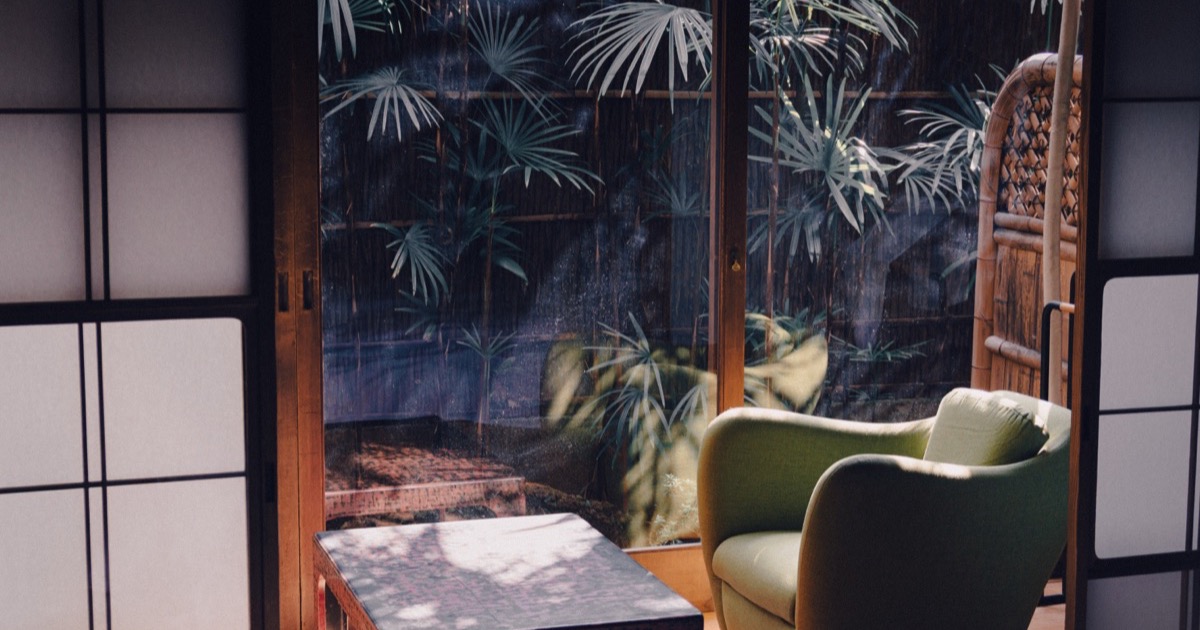
The other decision is hotel or ryokan. A modern hotel is easier; a good ryokan is an experience in itself — tatami, a garden framed by the window, a kaiseki dinner served in your room, a bath you sink into at the end of a walking day. Many travelers do both: hotel for the city days, one or two nights of ryokan as the trip's still center.
One thing to know before the bill arrives, because it changed this year and very few guides have updated: Kyoto's lodging tax rose sharply on 1 March 2026, and it is charged per person, per night, on top of the room rate. At the top of the scale it is now the highest flat lodging tax in Japan.
| Room rate, per person per night | Tax (from 1 Mar 2026) |
|---|---|
| Under ¥6,000 | ¥200 |
| ¥6,000 – ¥20,000 | ¥400 |
| ¥20,000 – ¥50,000 | ¥1,000 |
| ¥50,000 – ¥100,000 | ¥4,000 |
| ¥100,000 and above | ¥10,000 |
The sting is at the top: a fine ryokan at ¥120,000 a night now carries ¥10,000 per person, per night in tax — where the old maximum was ¥1,000. Two people, three nights, and it is ¥60,000 you had not planned for. It also applies to bookings made before the change, as long as the stay begins on or after 1 March 2026 — so a reservation you made last year is not grandfathered. Rates as of July 2026; the city publishes the full scale itself.
The city
Kyoto by neighborhood
At a glance
Kyoto is a set of districts, not a single center. Higashiyama is the temple hillside, Arashiyama the bamboo and river, Gion the old entertainment quarter, Downtown the food and shopping, Northern Kyoto the gardens and gold. Pair two neighbours a day.
Higashiyama
Temples · Lanes · Dawn
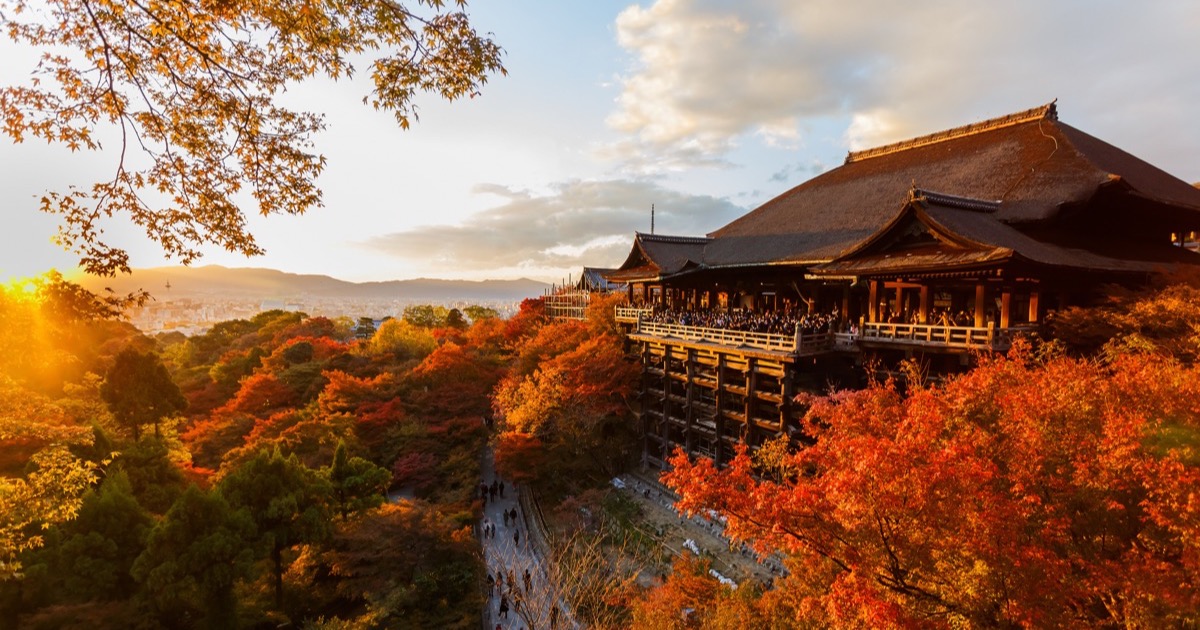
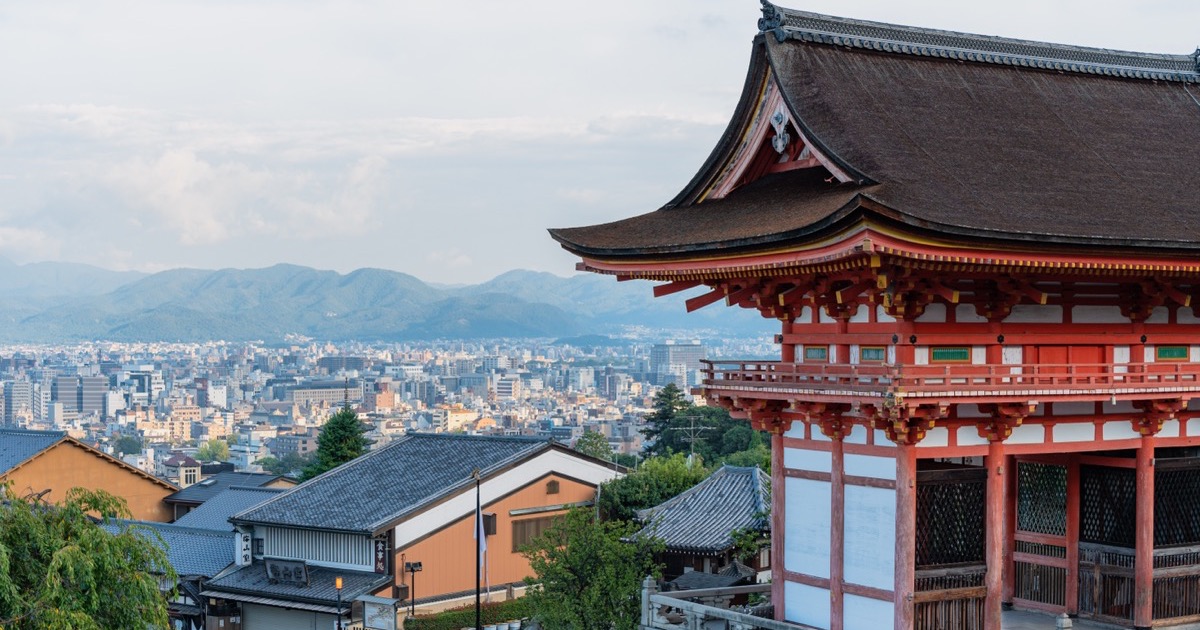
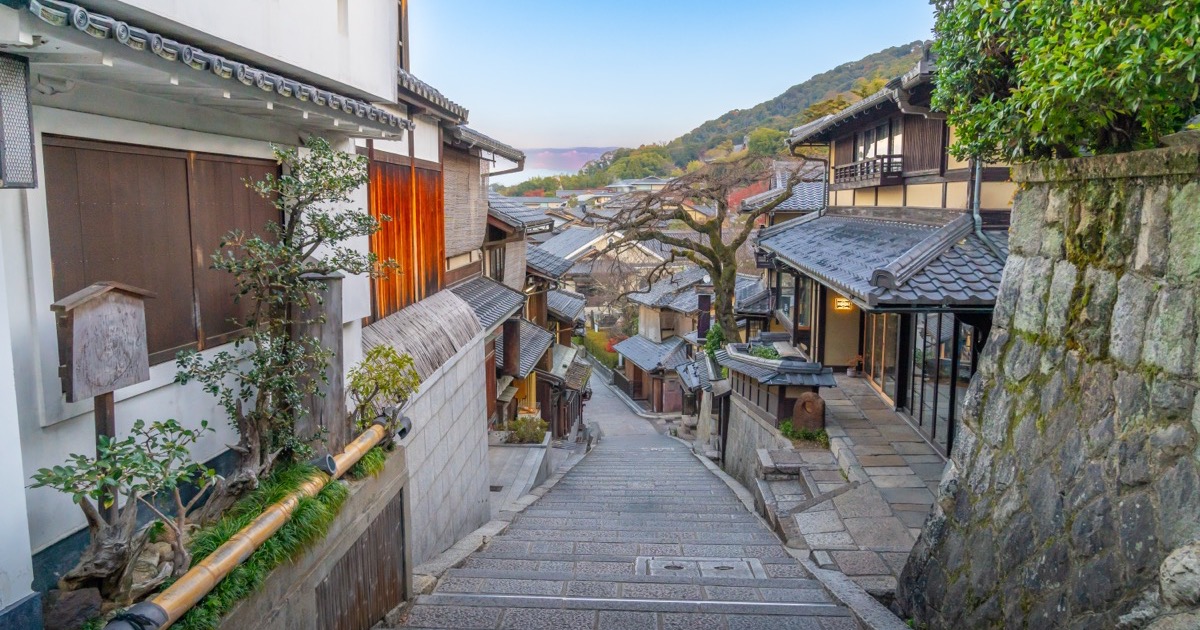
The eastern hills hold the Kyoto of the imagination: Kiyomizu-dera on its wooden stage, the stone lanes of Ninenzaka and Sannenzaka falling away below it, Kodai-ji and Chion-in among the trees. It is the single most rewarding district to walk — and the single most crowded by mid-morning. Walk it at opening or in the last hour of light and it becomes another place entirely.
Arashiyama
Bamboo · River · Green
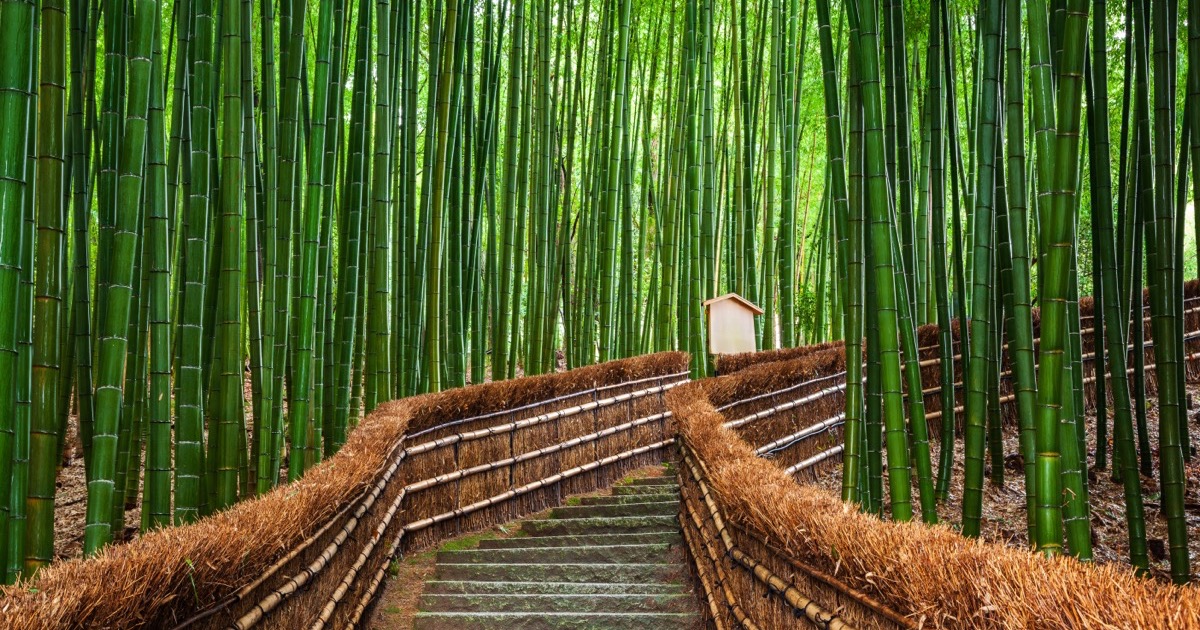
West of the city, the bamboo grove draws the cameras, but Arashiyama's real pleasure is the river, the temple gardens above it, and the villas of Okochi Sanso where hardly anyone walks. Come early, give the grove its ten minutes, then spend the morning in the quiet behind it.
Gion & Pontocho
Lanterns · Geiko · Dusk
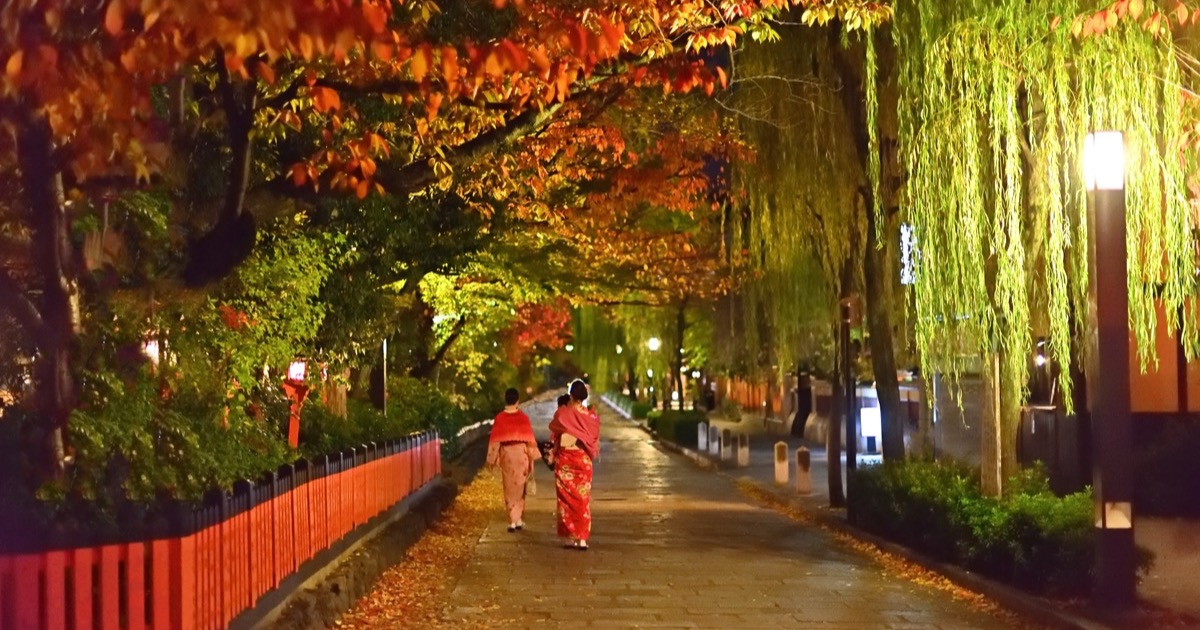
Kyoto's old entertainment quarters come alive at dusk: wooden machiya facades, lanterns lighting one by one, the narrow lane of Pontocho beside the river. It is best walked slowly and quietly — this is a working neighborhood, and the geiko and maiko you may glimpse are on their way to an appointment, not on display.
There is a rule here that is widely reported and almost universally garbled, so let us be exact. Gion's main streets — Hanamikoji and the Shirakawa canal — are public roads. You may walk them, and you may take photographs. What is restricted is the network of private lanes running off them, where the local association has posted multilingual signs barring entry and photography, with a stated penalty of ¥10,000. Be clear about what that is: the signs are posted by the local residents' association, not the city, and a fine can only be created by law — so the ¥10,000 is not something anyone can actually make you pay. What is real is the entry ban itself, because the lanes are private property. The exposure isn't a fine. It's that you are trespassing in someone's home street, and the residents have had enough.
So: the answer is not “don't photograph Gion”. It is read the signs, stay on the public streets, and never point a lens at a working maiko's face. Anyone who tells you the whole district is off-limits has not been recently.
Downtown Kyoto
Food · Market · Craft
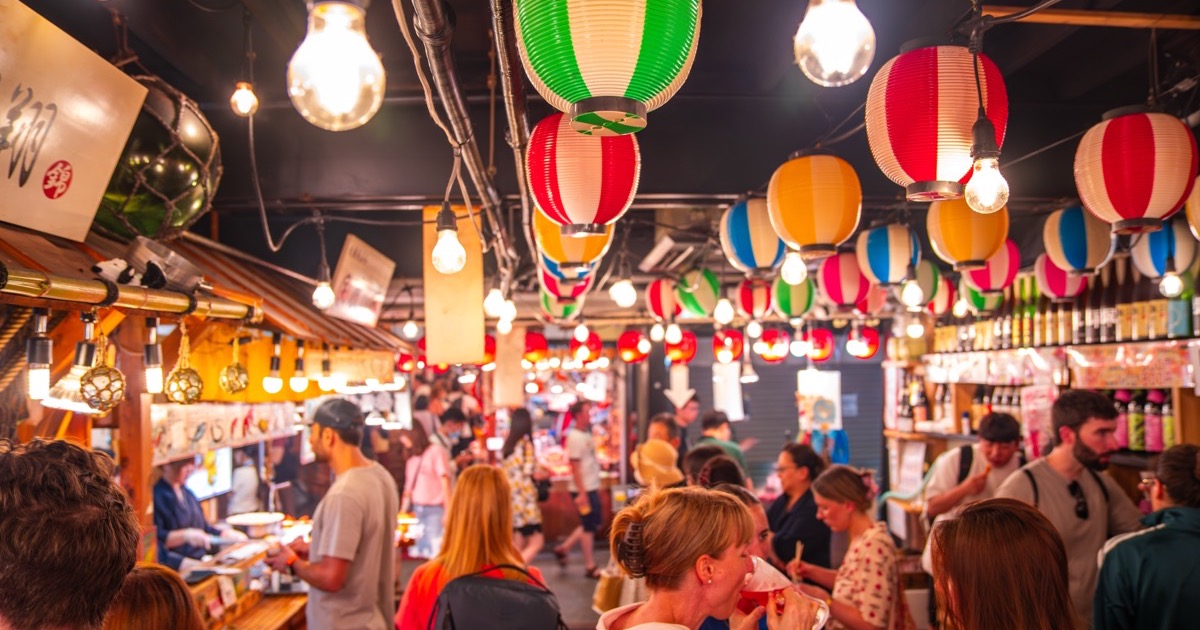
Around Shijo and Kawaramachi is where Kyoto eats and shops: Nishiki Market's long covered lane of pickles, knives and tea, department-store food halls, and the small counters where the city's cooks actually go. It is the most convenient base and the easiest place to spend an evening.
Northern Kyoto
Gardens · Gold · Stillness
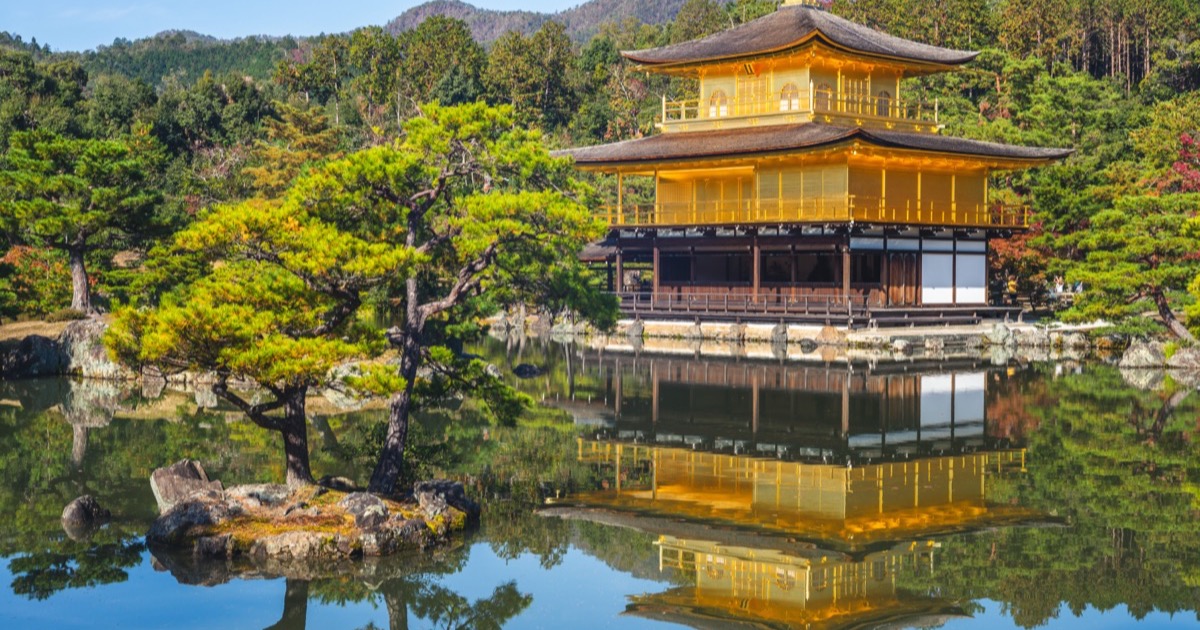
Kinkaku-ji's gold pavilion on its pond is here, and so is Ryoan-ji's rock garden — fifteen stones and a great deal of silence. Further north the city thins into Ohara's temples and moss, an hour out and worth the detour for anyone on their second visit.
Choosing
Which temples are actually worth your time?
At a glance
Kyoto has some two thousand temples and shrines. Five earn a first visit: Kiyomizu-dera, Fushimi Inari, Kinkaku-ji, Ryoan-ji and Ginkaku-ji. After that, the small sub-temples give more than the famous ones — and they are empty.
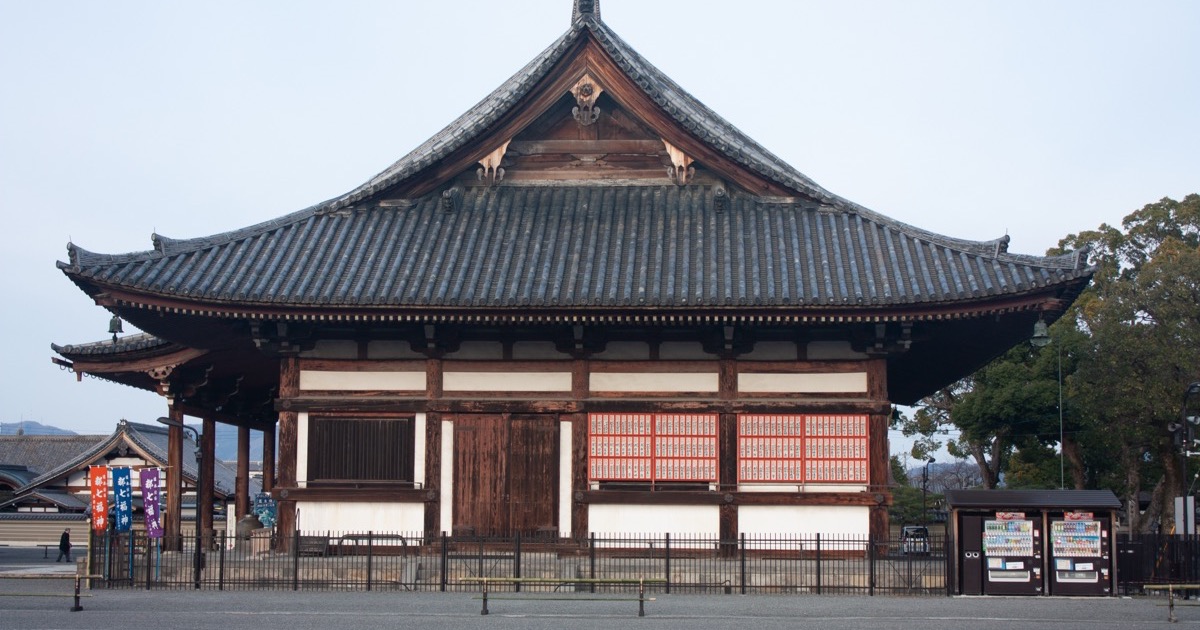
The honest truth about Kyoto's temples is that the famous five are famous for good reason, and you should see them. Kiyomizu's stage over the hillside, the vermilion tunnels climbing the mountain at Fushimi Inari, gold doubled in still water at Kinkaku-ji, fifteen rocks in raked gravel at Ryoan-ji, the Philosopher's Path running south from Ginkaku-ji under the cherry trees. These are not tourist traps. They are simply crowded, which is a different problem — and a solvable one.
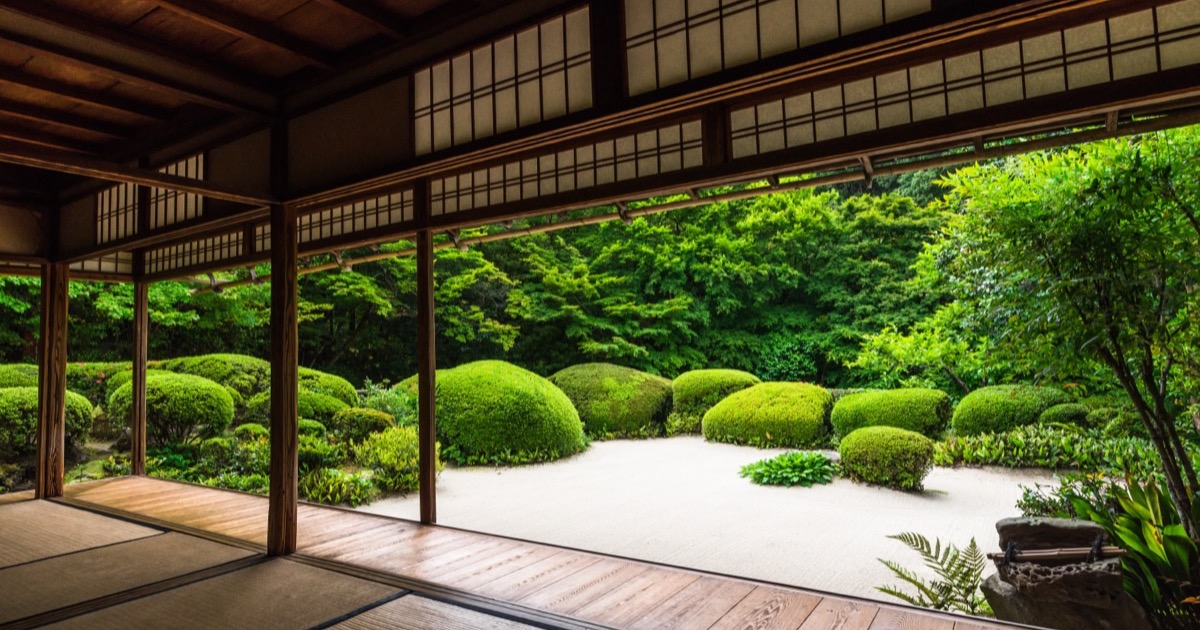
But the temple that people remember is rarely the one on the poster. It is usually a sub-temple whose gate they nearly walked past: a garden with three visitors, a monk sweeping, a room open to the moss. Kyoto has hundreds of these, they are almost never in the guidebooks, and knowing which one is beautiful this week — which garden is at its moment — is exactly the kind of thing that doesn't survive being written down.
The real problem
How to see Kyoto without the crowds
At a glance
Timing beats location. The icons are calm at opening and in the last hour of light, and overwhelming from ten to four. Go early, go late, keep the middle of the day for gardens, markets and neighborhoods — and walk the lanes between the famous places.
Let's be honest about the thing every recent visitor mentions: Kyoto gets crowded. Not everywhere, and not always — but at Kiyomizu at eleven in the morning in November, you are not seeing a temple, you are queuing on a hillside. Most travelers respond by skipping the famous places altogether, which is the wrong answer. The right answer is that Kyoto's crowds are a matter of hours, not places.
The great sites open early. At seven or eight in the morning, Kiyomizu's lanes are lit and nearly empty; the bamboo at Arashiyama belongs to a handful of people; Fushimi Inari is never closed at all, and at dawn the gates are a private corridor. The same is true again in the hour before dark, when the coaches have gone and the light is at its best. Between those two windows, go where the crowd is not: a garden, a workshop, a long lunch, a district with no famous roof in it.
The other half of it is sequence. A beautiful Kyoto day and a frustrating one often contain exactly the same places in a different order — which site first, which lane between them, when to sit down. That ordering is the part we obsess over, because it's the part that can't be looked up.
That ordering — which site, which hour, which lane between them — is genuinely the whole difference in Kyoto, and it is the one thing you cannot look up. It is what we spend our days getting right. Start a conversation →
The table
Where to eat in Kyoto
At a glance
Kyoto's food is its own tradition: kaiseki (the seasonal tasting menu), obanzai (the city's home cooking), tofu and temple cuisine, and matcha in everything. The best counters are small, and many take reservations only through someone who knows them.
Where Tokyo overwhelms with volume, Kyoto refines. Kaiseki is the city's art form — a procession of small seasonal dishes, each plated to say what month it is, served in rooms designed for exactly that. It is the meal people plan a trip around, and at its best it is one of the great dining experiences anywhere.
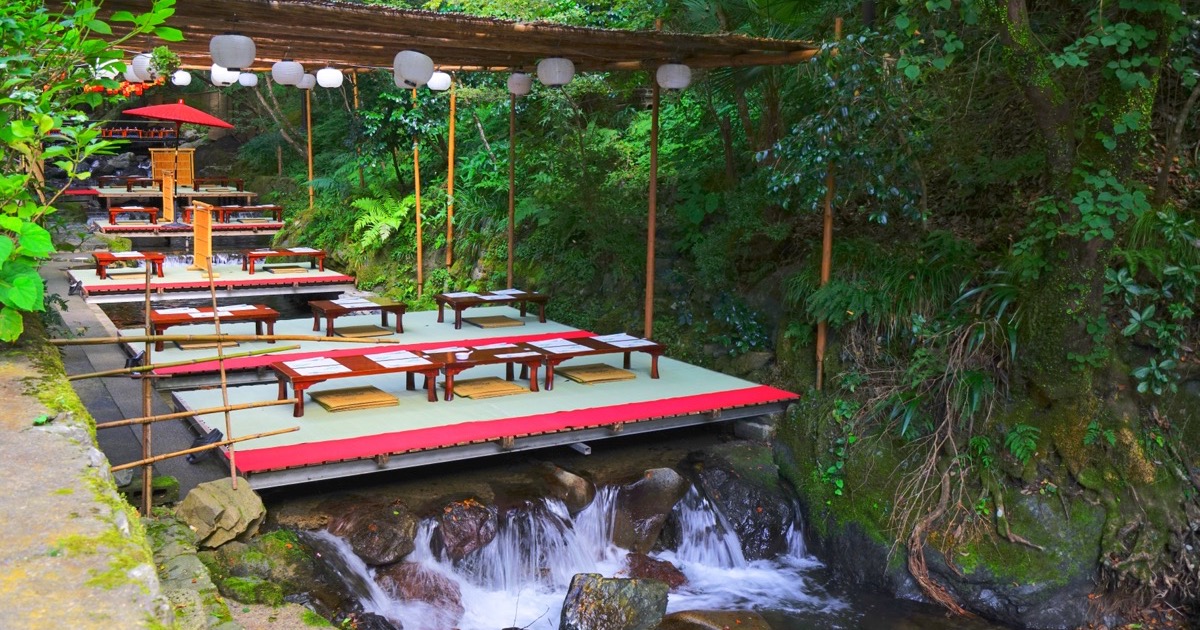
But Kyoto is not only special occasions. Obanzai — the everyday cooking of Kyoto households — is served in small places all over the center, and it is superb. Yudofu, simmered tofu, sounds austere and is quietly wonderful on a cold day. And the matcha, in every form from tea to confectionery, is the real thing here rather than a flavor.
Nishiki Market is where you graze — with one caveat worth knowing, because most guides still get it wrong. The market's own merchants' association asks visitors not to eat while walking: buy your skewer or your tamagoyaki and eat it at the stall you bought it from, or at the seating many of them now provide. It is a request rather than a rule — there is no fine — and the reasons are practical: the lane is narrow, dropped food makes it slippery, and a bamboo skewer at eye height in a crowd is exactly as bad as it sounds. Standing at the counter you bought from is also, incidentally, the nicer way to eat.
The honest complication: the counters worth crossing the world for often seat eight people, don't answer the phone in English, and won't take a booking from someone with no history there. That is not snobbery — it is how they protect the room. It is also, frankly, where a good concierge earns their keep.
After dark
Kyoto after dark
At a glance
Kyoto empties at dusk as the day visitors leave — which is precisely when it becomes beautiful. Walk Gion and Pontocho as the lanterns come on, then eat late by the river. Seasonal night illuminations at the temples are worth planning around.
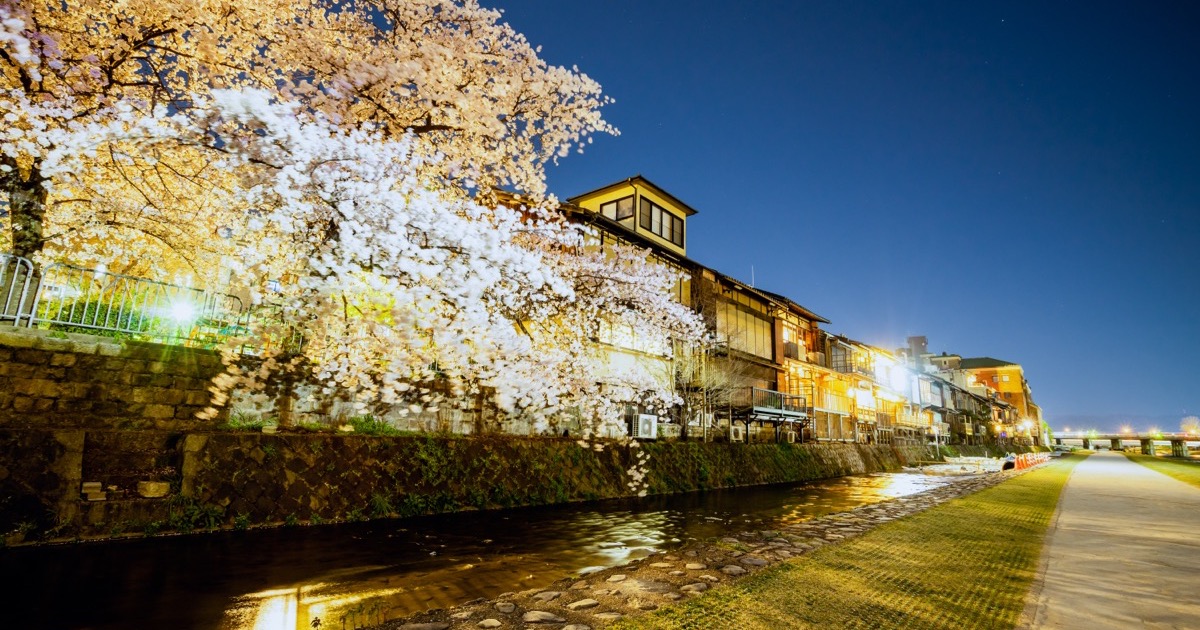
Most people treat Kyoto as a daytime city and go back to Osaka or their hotel at six. That is a gift to everyone who stays. At dusk the coaches leave, the lanterns light along the machiya fronts, and the lanes of Gion take on the quality that made them famous. Pontocho — a single narrow alley beside the Kamo River, barely wide enough for two — is one of the great walks in Japan at this hour.
In spring and autumn many temples hold evening illuminations, opening their gardens after dark with the maples or the blossom lit from beneath. They are popular and they are still extraordinary. And if you are lucky and quiet, you may see a maiko moving quickly between engagements — not a performance, simply someone going to work in the city she lives in.
Beyond the city
The best day trips from Kyoto
At a glance
Nara (the Great Buddha and the deer park) and Uji (Byodo-in and the tea houses) are the two classics, both under an hour. Osaka is thirty minutes for an evening of food. With more time, Koyasan opens the way south.
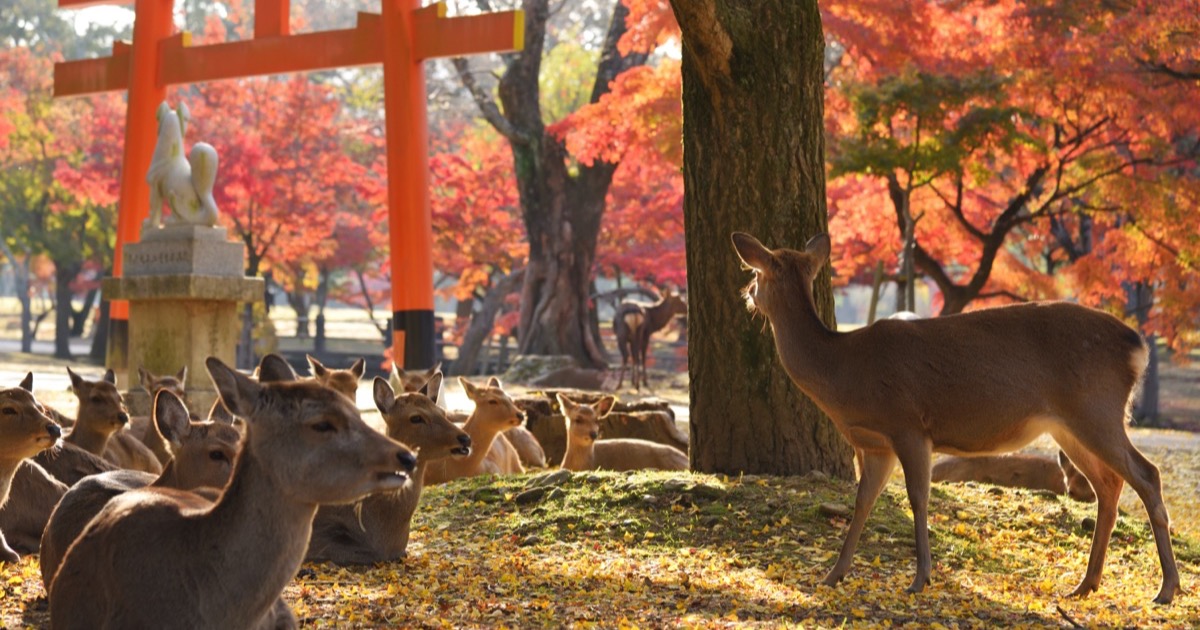
Nara was Japan's capital before Kyoto, and it wears it lightly: a vast park where deer wander among the temples, and Todai-ji, whose Great Buddha sits in one of the largest wooden buildings on earth. It is an easy half-day and it lands differently than Kyoto — older, calmer, more open sky.
Uji is the tea town: Byodo-in's Phoenix Hall reflected in its pond (the building on the ten-yen coin), and tea houses where matcha is taken seriously enough to change your idea of it. Osaka, half an hour away, is the opposite of a temple day — loud, warm, and the best street food in the country.
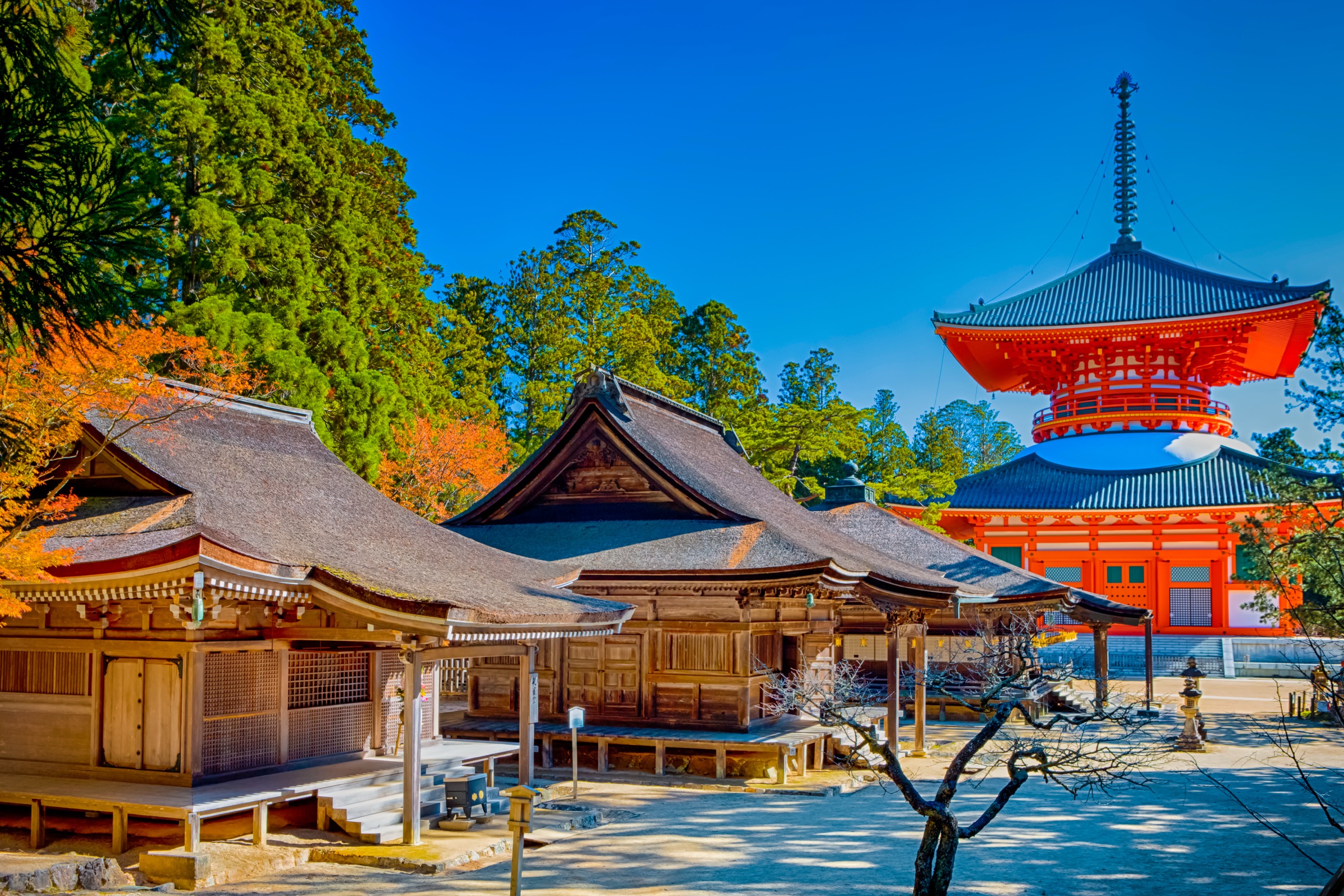
For travelers with more time, the mountains south of Kyoto hold something rarer still: a night in a temple on Koyasan and the Kumano Kodo pilgrimage trails. It is the most rewarding detour in this part of Japan.
Practical
Getting around Kyoto
At a glance
Kyoto is walkable within districts but spread out between them. Two subway lines cover the spine; buses reach the temples but crawl in season; taxis are plentiful and reasonable for short hops. Pair two neighbouring districts a day and you barely fight the transport at all.
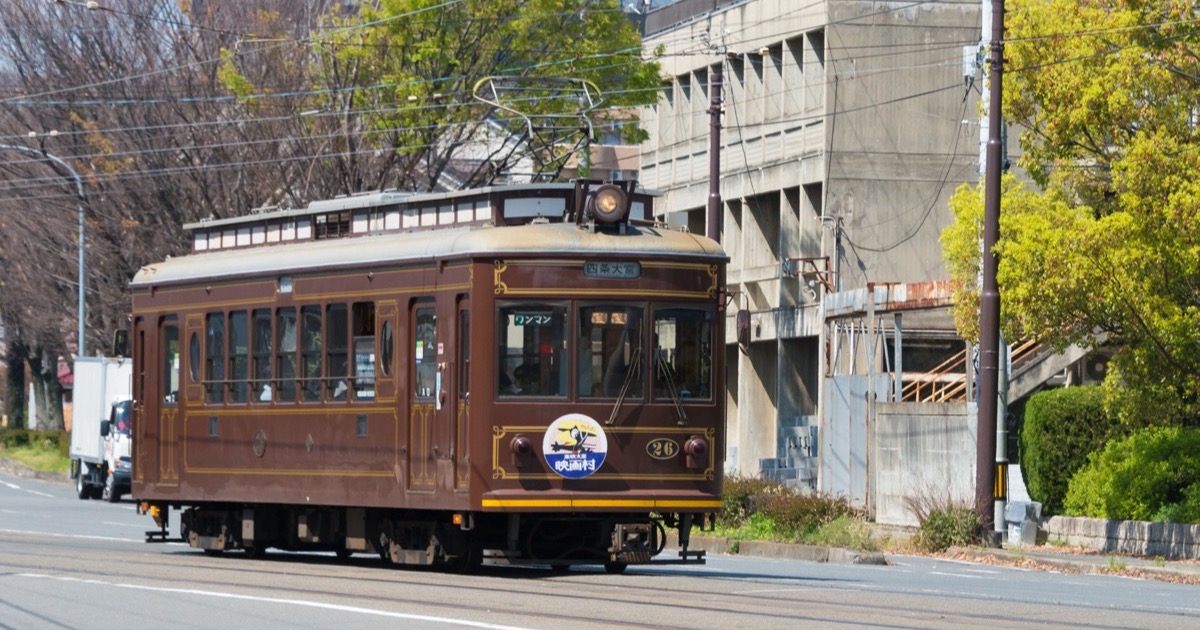
The city is laid out on a grid, which makes it one of the easiest places in Japan to orient yourself — north is always up toward the hills. Within Higashiyama, or Arashiyama, or downtown, you walk. Between them, you ride. The subway is quick but limited; the bus network reaches everything and is famously slow in cherry and autumn season, when a two-kilometer journey can take forty minutes.
Taxis are the underrated answer for a party of two or three — short hops between districts cost less than people expect and save an hour of your day. For a full day out, a car and driver removes the question entirely, which matters more in Kyoto than in Tokyo because the distances between the good things are exactly long enough to be annoying.
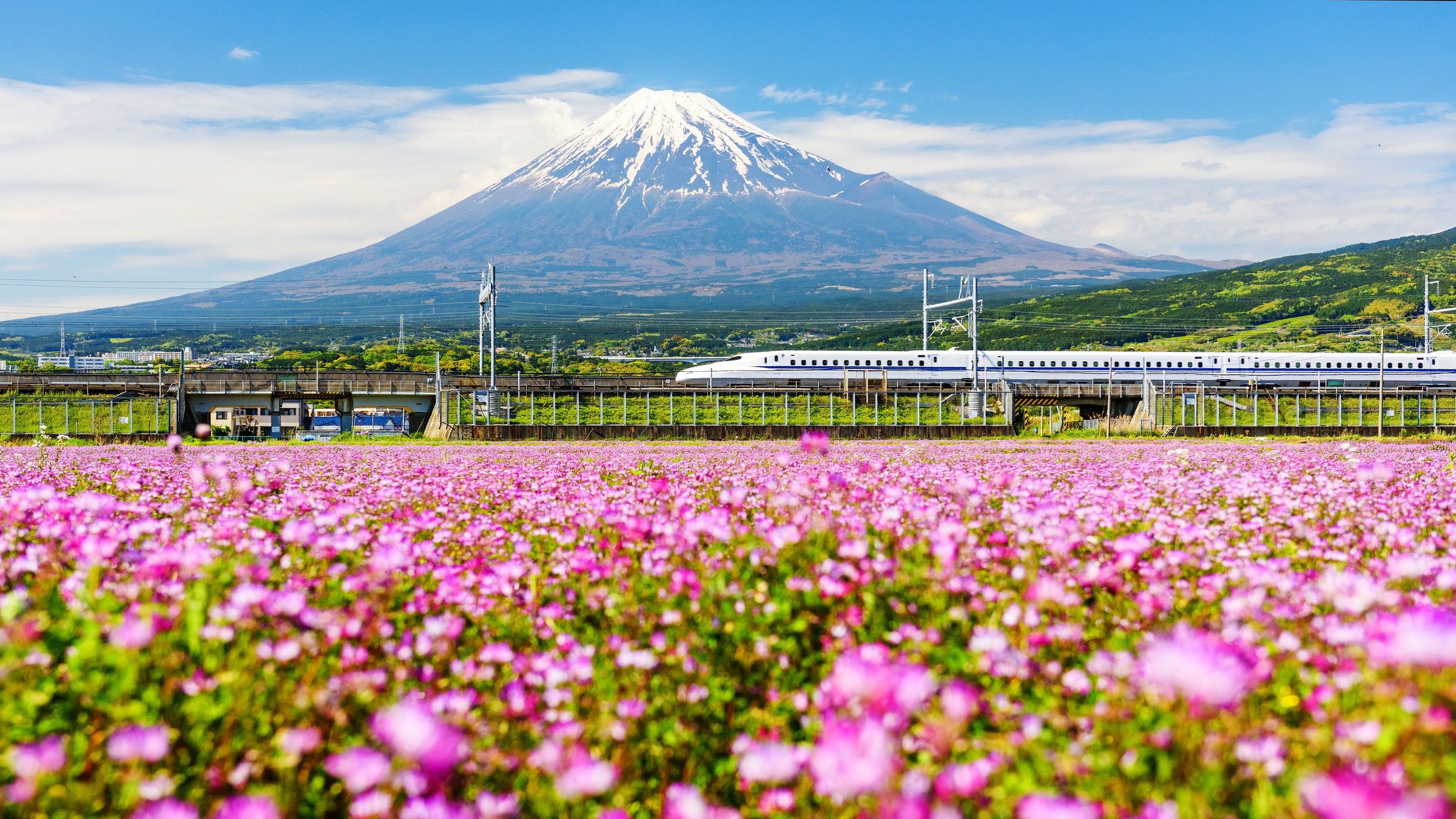
The Shinkansen from Tokyo takes a little over two hours and drops you at Kyoto Station in the south of the city. From Kansai airport, allow 75–90 minutes by express train — or arrange a private transfer and go straight to your door after the flight.
Timing
When is the best time to visit Kyoto?
At a glance
Late March–April (cherry blossom) and November (autumn color) are the most beautiful and the most crowded — book far ahead. Early summer is green and calm; February is cold, quiet and, for some, the best Kyoto of all.
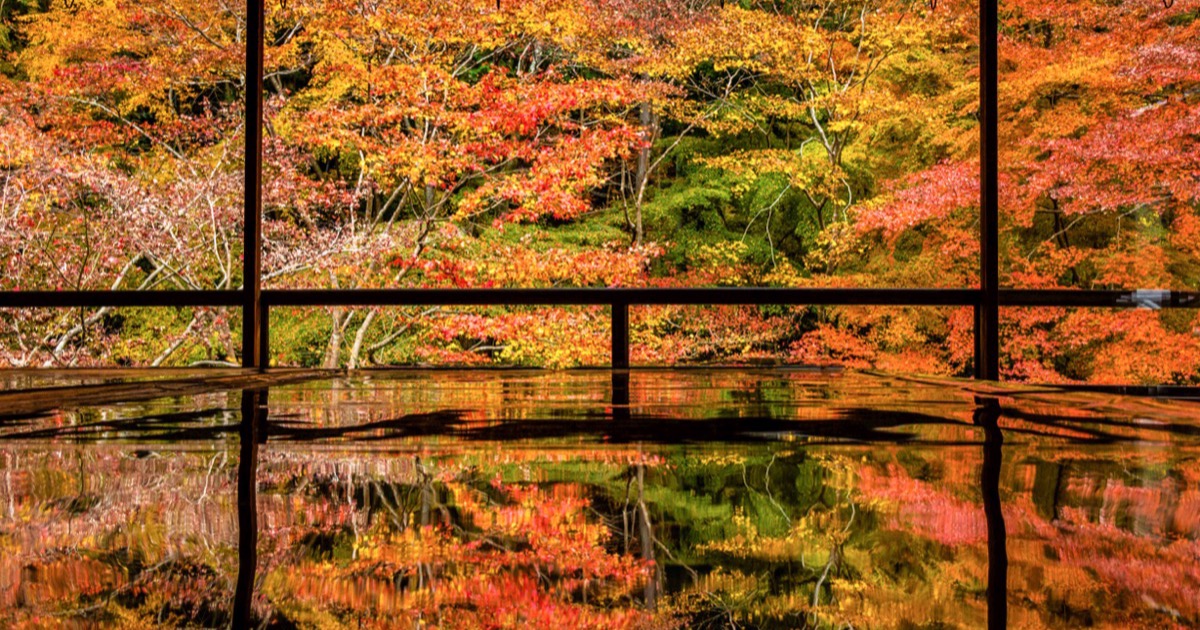
Kyoto is a city of four very distinct seasons, and it makes no secret of which two it prefers. In cherry season the whole city turns out under the trees; in November the maples turn the eastern hills red and the temple gardens fill. Both are genuinely as beautiful as promised. Both also mean full hotels, booked restaurants and the crowds discussed above — which is manageable, but only if you plan for it.
The quieter alternatives deserve more attention than they get. Early summer, before the rains, is deep green and half-empty. Late summer is hot and humid — the locals' least favorite, and the visitors' too. And February is Kyoto's secret: cold, clear, the gardens stripped to their bones, and a temple you can sit in alone. If you have been before, go then.
The difference
What a private guide adds
Everything above, you could do alone. What you can't easily arrange is the sub-temple that opens its garden for you, the counter that seats eight and takes no bookings from strangers, the tea master who teaches rather than performs — and the ordering of a day so that you arrive at each place in the hour it belongs to you rather than to four hundred other people.
That is the part we handle: the planning, the doors, the quiet timing. You simply get to be present for it.
Plan your Kyoto trip →Questions, answered
How many days do you need in Kyoto?+
Three to four days is the sweet spot. Two days covers the headline temples at a rush; four lets you slow down, add a day trip to Nara or Uji, and see the quiet corners that make people fall in love with the city rather than simply photograph it.
What is the best area to stay in Kyoto for first-timers?+
Downtown Kyoto — around Karasuma, Shijo and Kawaramachi — is the most convenient: central, walkable to dining, and well connected by subway and bus. Higashiyama suits travelers who want to step out into temple lanes at dawn; Arashiyama suits those who want quiet and greenery over convenience.
How do you get from Tokyo to Kyoto?+
The Tokaido Shinkansen takes a little over two hours from Tokyo Station to Kyoto Station, running frequently through the day. From Kansai International Airport, allow roughly 75–90 minutes by express train, or take a private transfer straight to your hotel door after a long flight.
How do you avoid the crowds in Kyoto?+
Timing beats location. The famous sites are calm at opening and again in the last hour of light, and almost unbearable between ten and four. Go early, go late, walk the lanes between the icons, and let someone who watches the rhythms daily sequence the day for you — that single change transforms Kyoto.
Which temples in Kyoto are actually worth visiting?+
Kiyomizu-dera for the hillside stage and the approach lanes, Fushimi Inari for the tunnels of vermilion gates, Kinkaku-ji for the gold pavilion on its pond, Ryoan-ji for the rock garden, and Ginkaku-ji with the Philosopher's Path. Beyond those, the smaller sub-temples reward you most — and they are where the crowds are not.
Is Kyoto walkable, or do you need transport?+
Kyoto is a grid, and each district is walkable within itself — but the districts sit far apart. Most travelers walk within Higashiyama or Arashiyama and move between areas by subway, bus, taxi or car. Pairing two neighbouring districts per day is the honest way to plan it.
What are the best day trips from Kyoto?+
Nara (the Great Buddha and the deer park) and Uji (Byodo-in and the tea houses) are the two classics, each under an hour away. Osaka is thirty minutes for an evening of food, and the Kii Peninsula opens the way to Koyasan and the Kumano Kodo for those with more time.
When is the best time to visit Kyoto?+
Late March to April for cherry blossom and November for autumn color are the most beautiful — and by far the busiest and most expensive. Early summer's green, and the quiet cold of February, reward a traveler who would rather have the temples to themselves.
Continue exploring
Japan changes its prices and its rules more often than most countries, and a good deal of what is written about it online is quietly out of date. The fares, fees, taxes and access rules on this page were checked against the official sources below in July 2026. Where something was likely to move, we have said so in the text. If you are traveling on dates far from that, check the official page — or ask us — rather than trusting any guide, including this one.
Checked against