
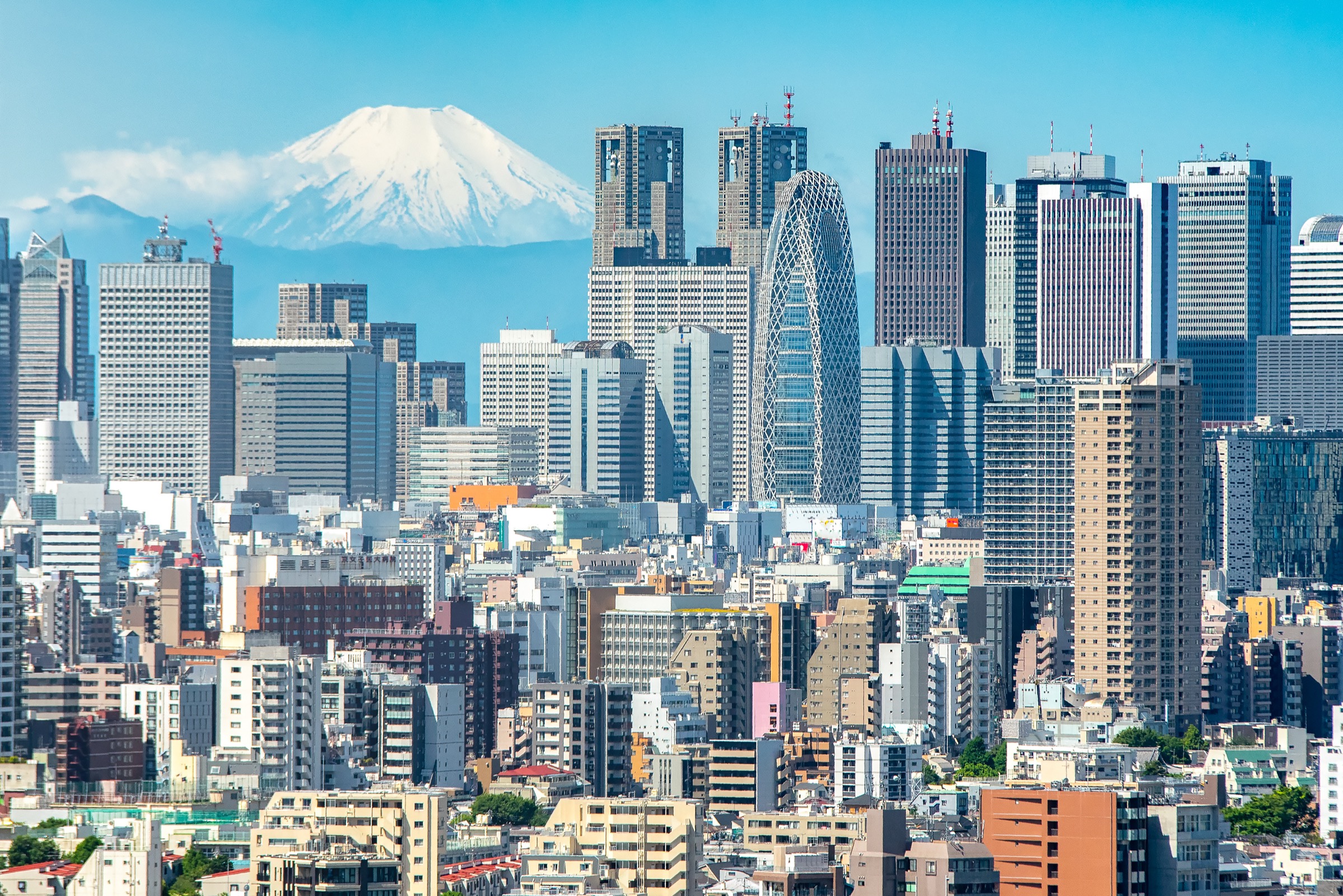
Travel Guide · Tokyo
Tokyo: The Complete Guide
How many days you need, where to stay, the neighborhoods that matter, and how to see Tokyo without the crowds.
Tokyo rewards the curious. Beneath the neon and the famous crossings is a city of quiet shrines, family-run counters and neighborhoods that each feel like their own town. It is vast — thirty-something million people, a rail map like a circuit board — and that scale is exactly why a little guidance changes everything.
This is the honest version of a Tokyo guide: how long to stay, where to base yourself, which neighborhoods are worth your hours, where to eat, and — the part most guides skip — what only opens up when someone local is a step ahead of you. We plan and lead these days for a living, so everything here is what we'd tell a friend, not a checklist copied from the next site.
At a glance
Three to four days is the sweet spot for a first visit to Tokyo — enough for the icons, a couple of quiet neighborhoods, and one day trip to Hakone or Kamakura, without ever feeling rushed. Stay central (Shinjuku or Tokyo Station), pace it one district a day, and leave the evenings open.
Planning
How many days do you need in Tokyo?
At a glance
Three to four days suits most first visits. Two days is a rushed taste on a wider Japan loop; five or more days rewards families, food-lovers and anyone chasing craft and the quieter corners.
Tokyo can fill a week and still leave you wanting more — but most travelers get the balance right at three to four days, then move on to Kyoto with the city firmly under their skin. The city is really a set of villages stitched together by trains, so the honest limit isn't how much there is to see; it's how much you can absorb before it blurs.
| Length | What it gives you |
|---|---|
| 2 days | The icons only, at pace — Asakusa, Shibuya, a night view. A first taste on a longer Japan trip. |
| 3–4 days | The sweet spot. Icons, two or three quiet neighborhoods, a proper dinner or two, and one day trip. |
| 5+ days | Deep-divers, families and food-lovers. Time for teamLab, a sumo morning, craft workshops and day trips. |
Our own view: most guides optimize for seeing more. We optimize for experiencing deeper. An extra day in Tokyo usually buys access, not another checklist sight — an after-hours temple, a chef who cooks for six, a workshop that doesn't take walk-ins. That is where the memories actually live.
Arrival
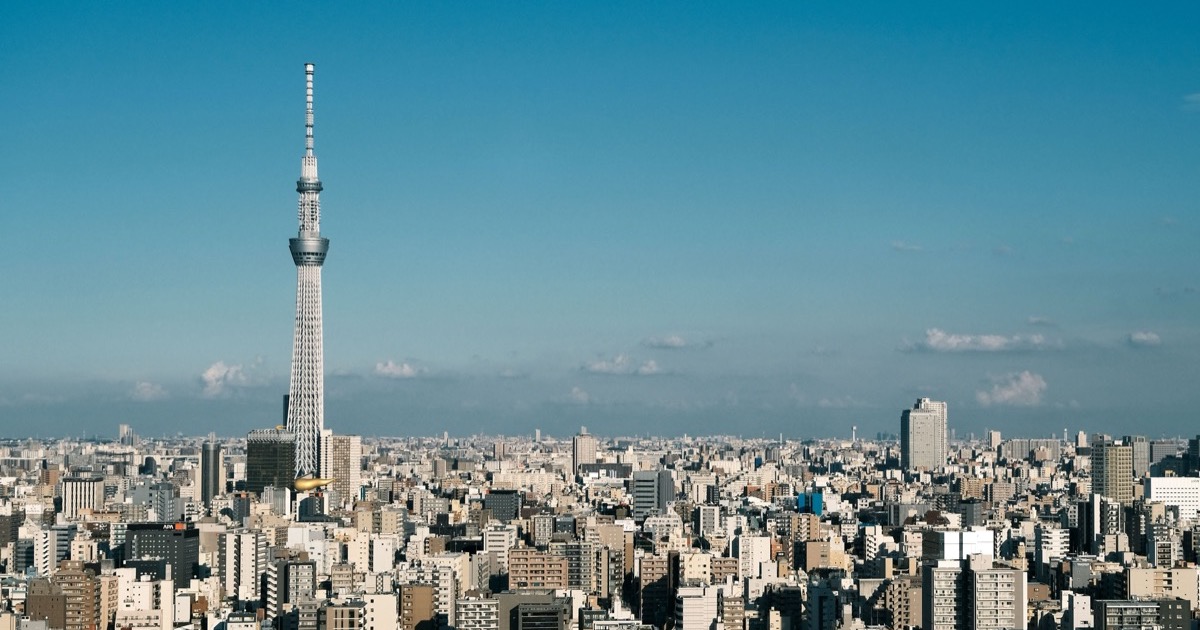
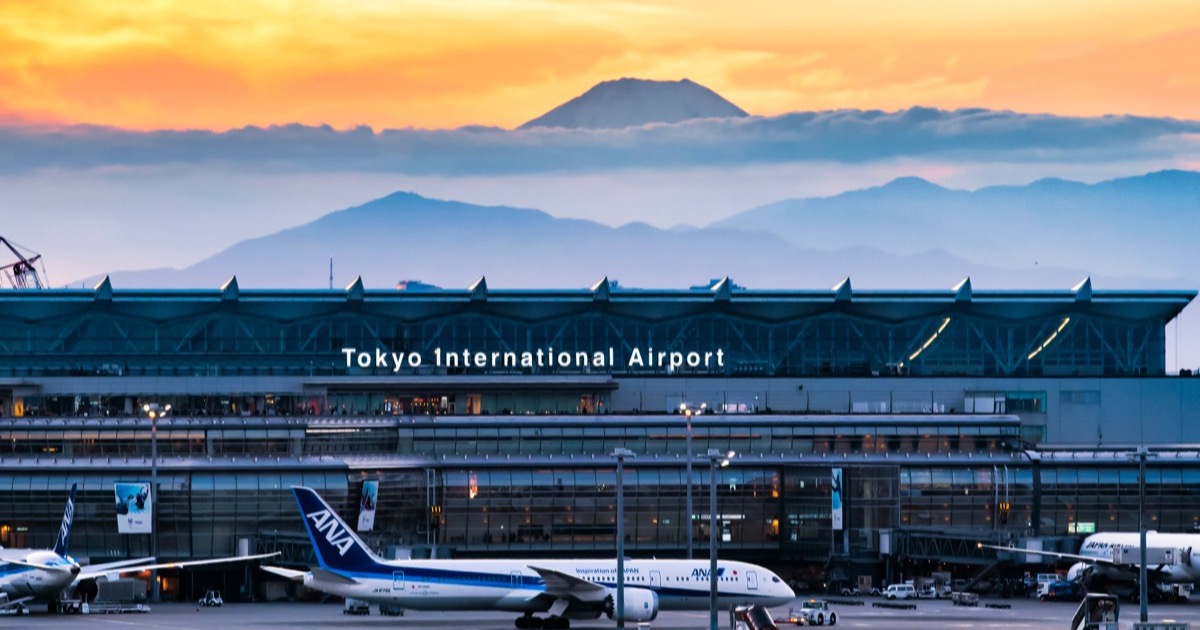
Getting into Tokyo from the airport
At a glance
From Haneda, 30–45 minutes to the center. From Narita, allow 60–90 minutes. For arrival day we almost always arrange a private transfer — it turns a jet-lagged first hour into a quiet ride straight to your hotel.
Tokyo has two airports. Haneda sits close to the city and is the easier arrival — a short hop by train, monorail or car. Narita is further out on the edge of Chiba; the Narita Express (N'EX) and the Keisei Skyliner are the fastest trains, both around an hour to the central stations.
If you're landing after a twelve-hour flight, with luggage and jet-lagged children, this is the one leg where we almost always arrange a private transfer. It turns a fiddly, sign-reading first hour into a quiet ride straight to your hotel — a small thing that sets the tone for the whole trip.
Where to base yourself
Where to stay in Tokyo
At a glance
For a first visit, base in Shinjuku or around Tokyo Station / Marunouchi — central and superbly connected. Choose Ginza for refined and quiet, or Asakusa for old-Tokyo atmosphere.
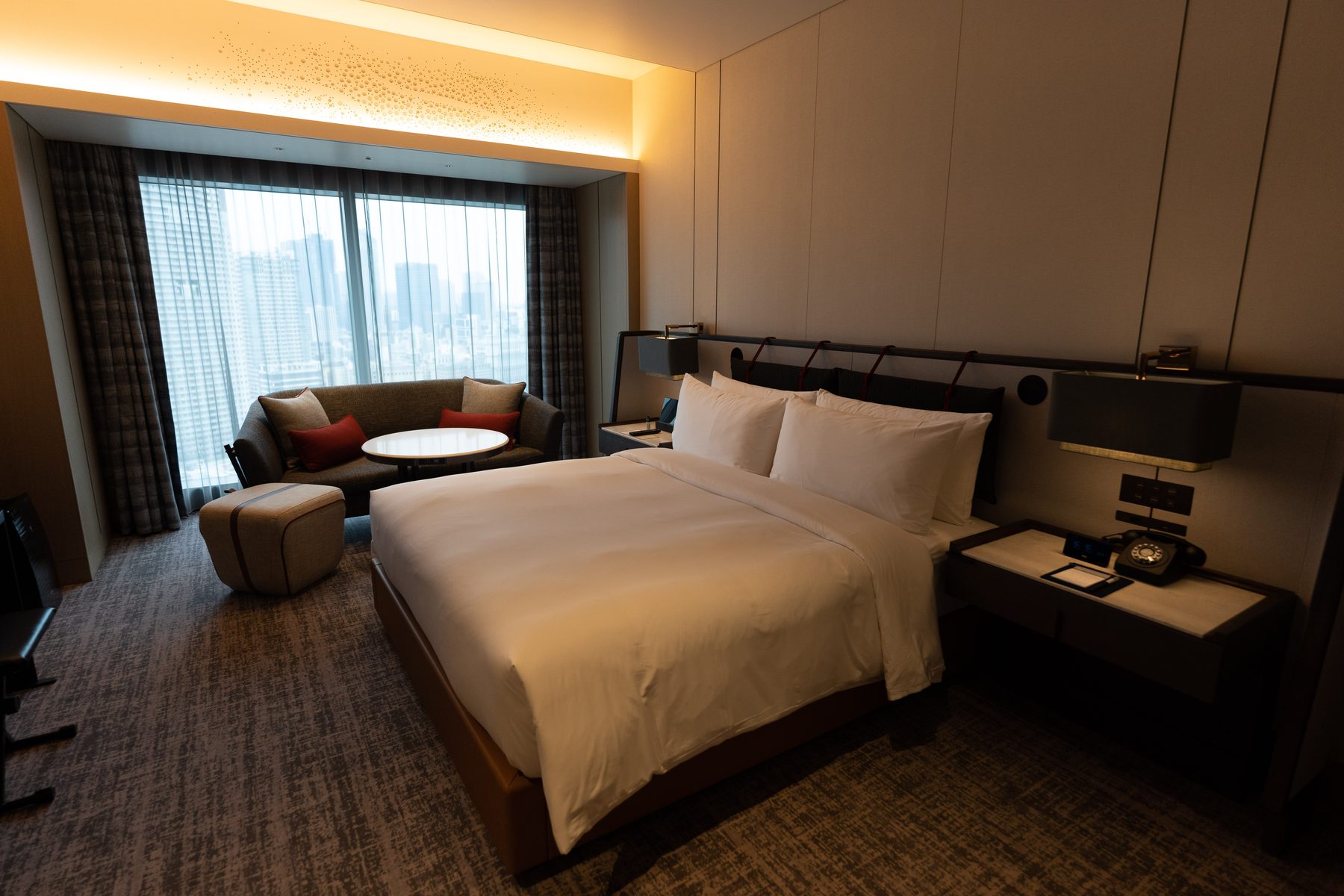
Where you sleep shapes how the city feels. Tokyo is so well connected that no central choice is wrong, but each area sets a different mood for your mornings and evenings.
- Shinjuku / Shibuya — energy, nightlife and every train line. Best for first-timers and anyone who wants the city humming outside the door.
- Tokyo Station & Marunouchi — polished, central and the launchpad for bullet trains to Kyoto. Effortless for onward travel.
- Ginza — refined, quieter at night, walkable to some of the city's great dining. Our pick for couples and a slower pace.
- Asakusa — old-Tokyo character and lower prices, in exchange for a little less convenience.
Insider note:Tokyo's best small ryokan and design hotels sell out months ahead, and the finest suites are never on the booking sites. Securing the right room, in the right area, is one of the quieter things we handle for guests.
Orientation
Tokyo, neighborhood by neighborhood
Tokyo is less a single city than a constellation of neighborhoods, each with its own character and its own reason to linger. You won't see them all in one visit — nor should you try. Here is how to think about the ones that matter, and what each is really for.
Asakusa
Old Tokyo
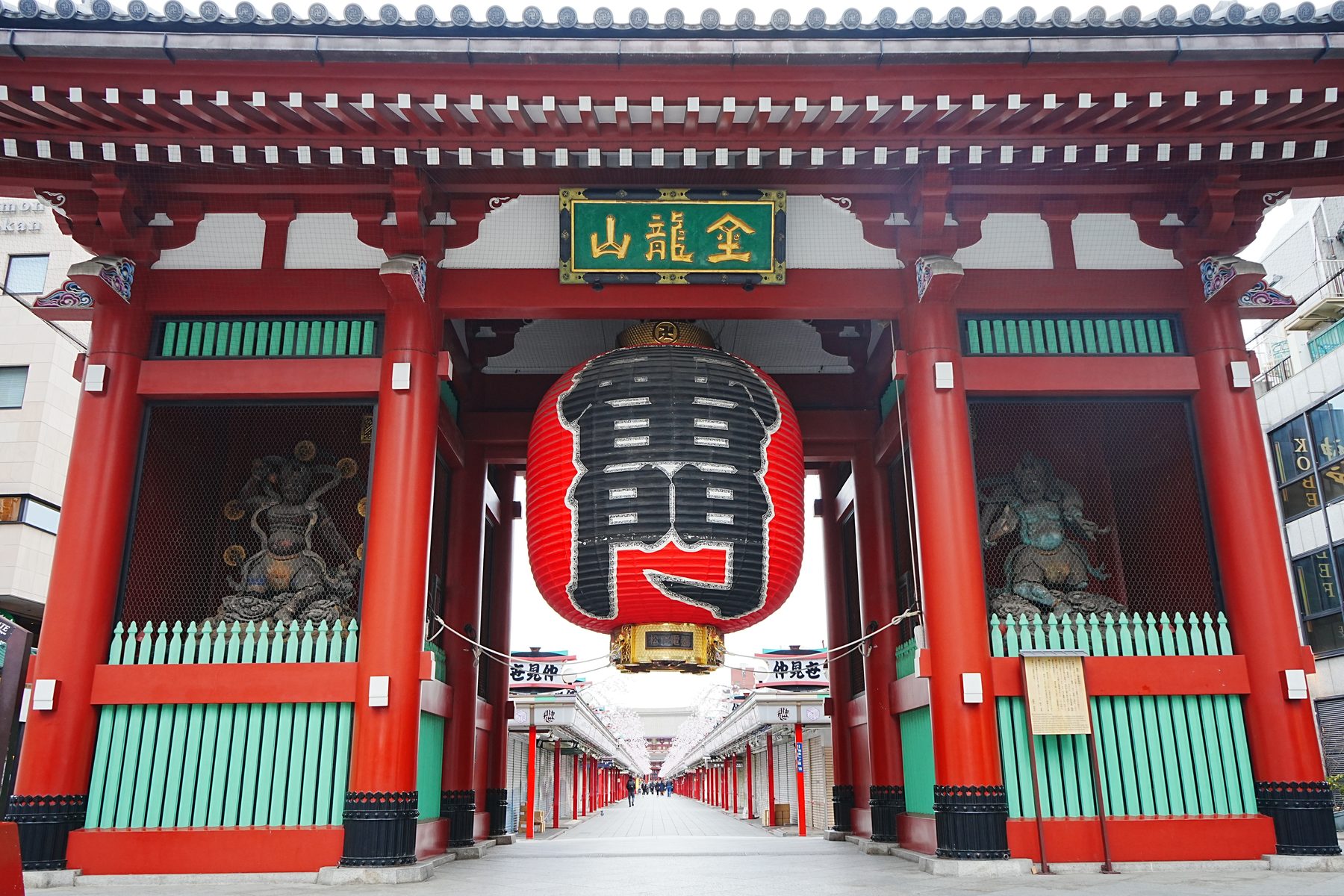
The spiritual heart of the old city. Senso-ji temple and its great red lantern anchor a grid of low-rise streets — the Nakamise arcade for senbei crackers and sweets, the kitchenware shops of nearby Kappabashi, and a wooden, lantern-lit calm after dark that vanished from most of Tokyo decades ago.
Come early, before the tour buses, or come at dusk when the temple is floodlit and the day-trippers have gone. A rickshaw run through the back streets with a local pilot is a small indulgence that children and grandparents equally love.
Shibuya & Harajuku
Youth & style
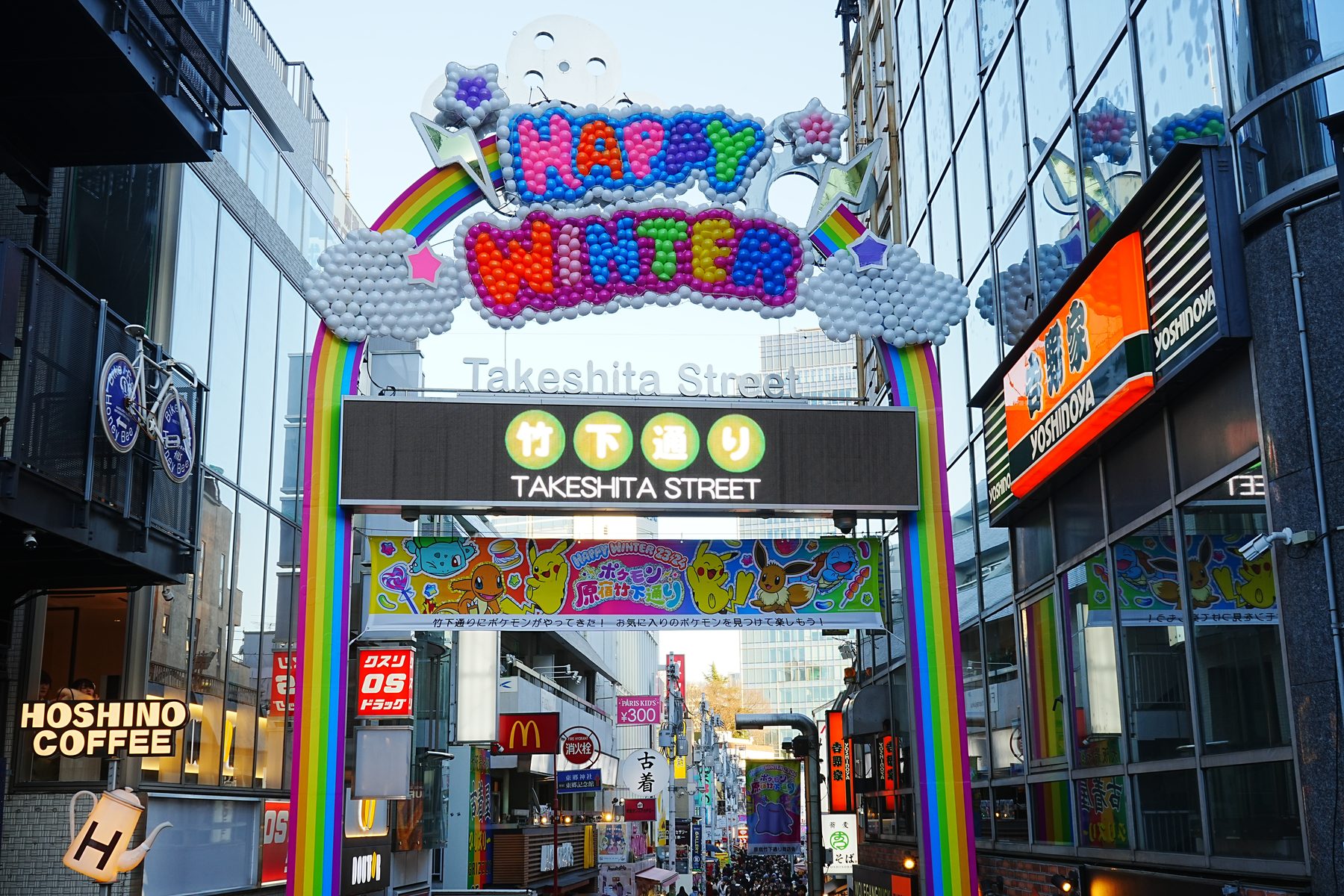
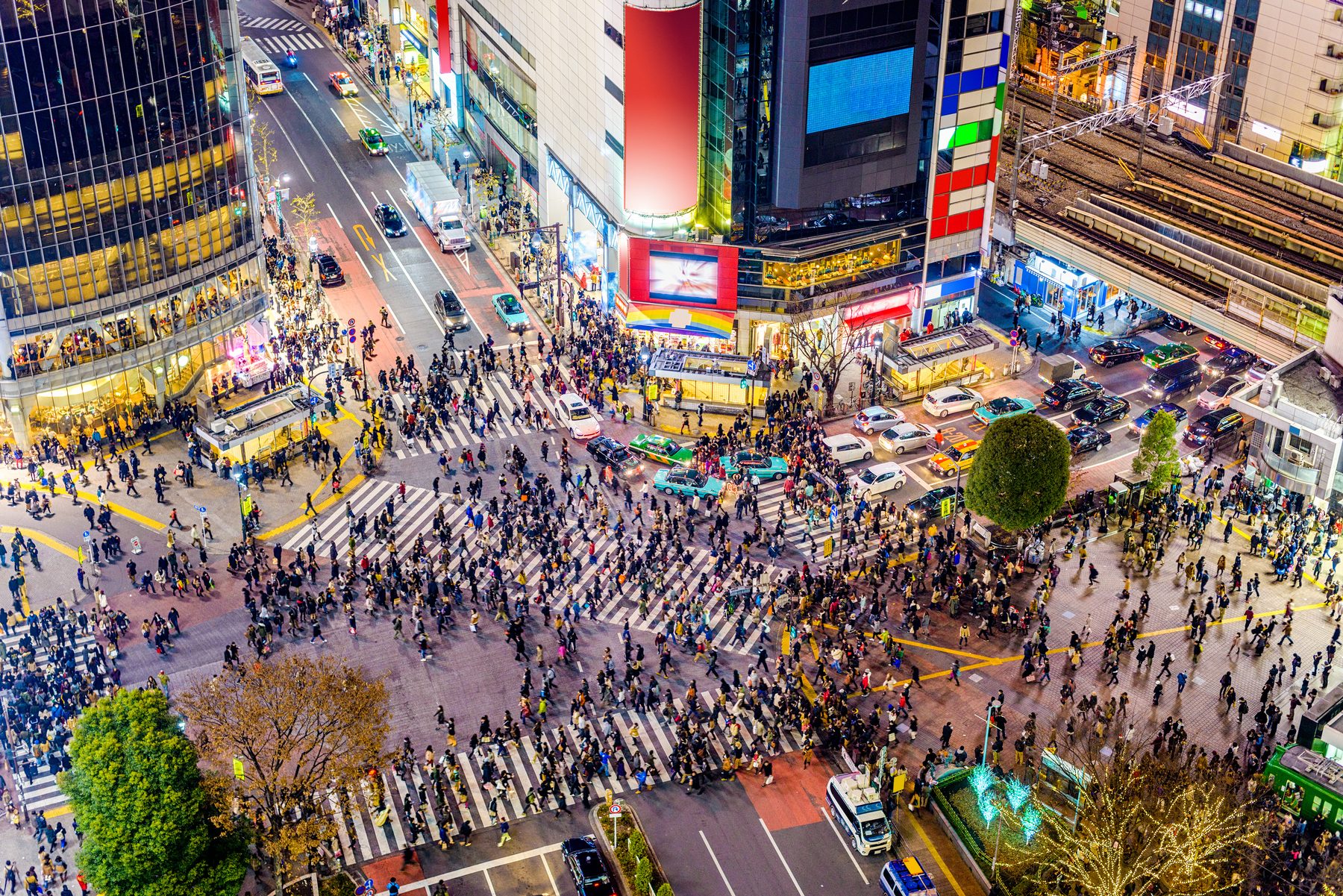
The pulse of young Tokyo. Shibuya's scramble crossing is the postcard, but the real texture is in the backstreets — vintage lanes, tiny record shops, third-wave coffee poured with ceremony. Walk north and Harajuku's neon-bright Takeshita Street and the deep, cedar-shaded calm of Meiji Shrine sit ten minutes apart, which is Tokyo in a single sentence.
Shinjuku
Neon & nightlife
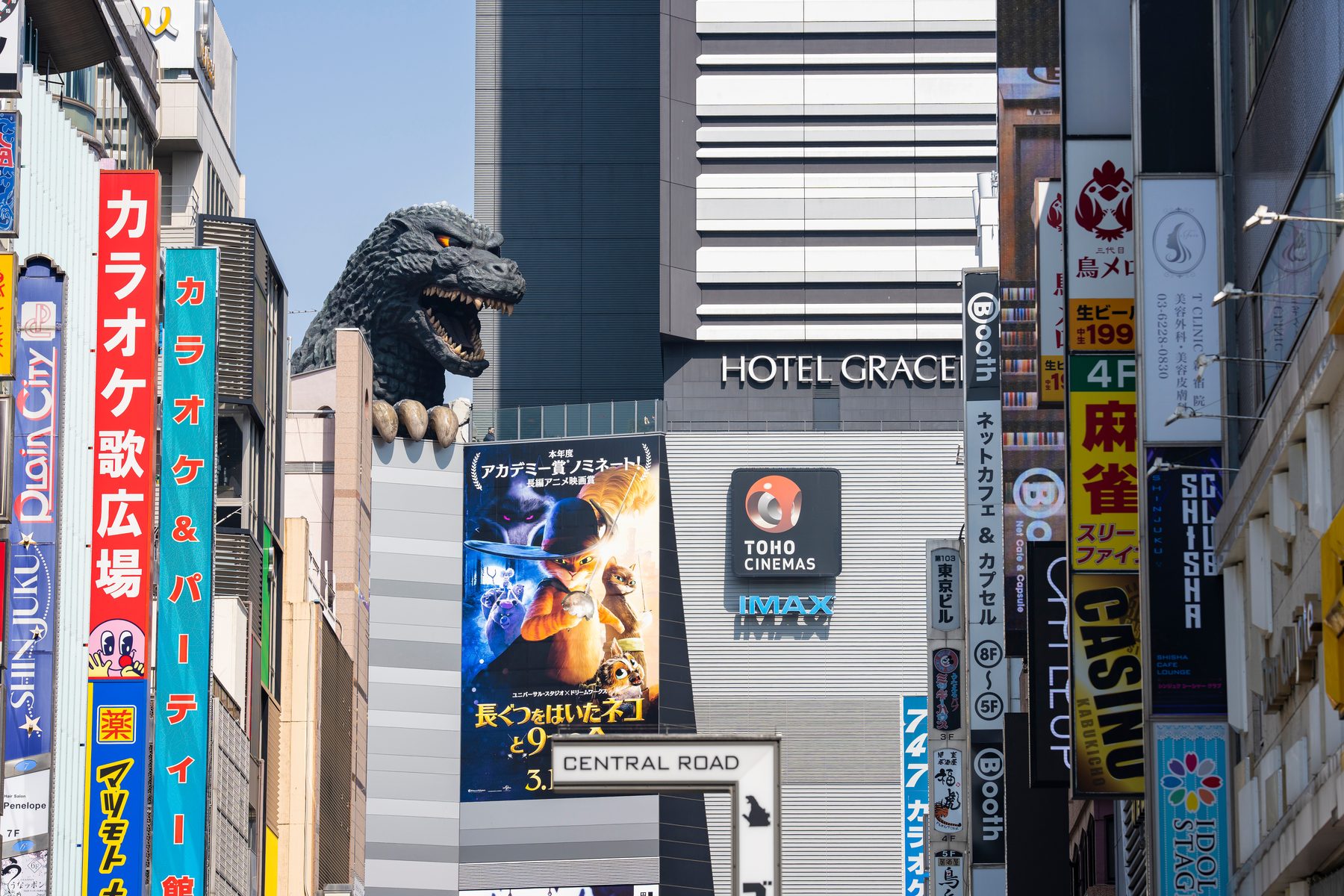
The best base for a first visit — central, superbly connected and alive after dark. Skyscraper hotels look down on the lantern-lit alleys of Golden Gai and Omoide Yokocho, where a six-seat bar and a smoky yakitori counter can be the whole evening. Loud and quiet live a single street apart here.
Ginza & Marunouchi
Refined
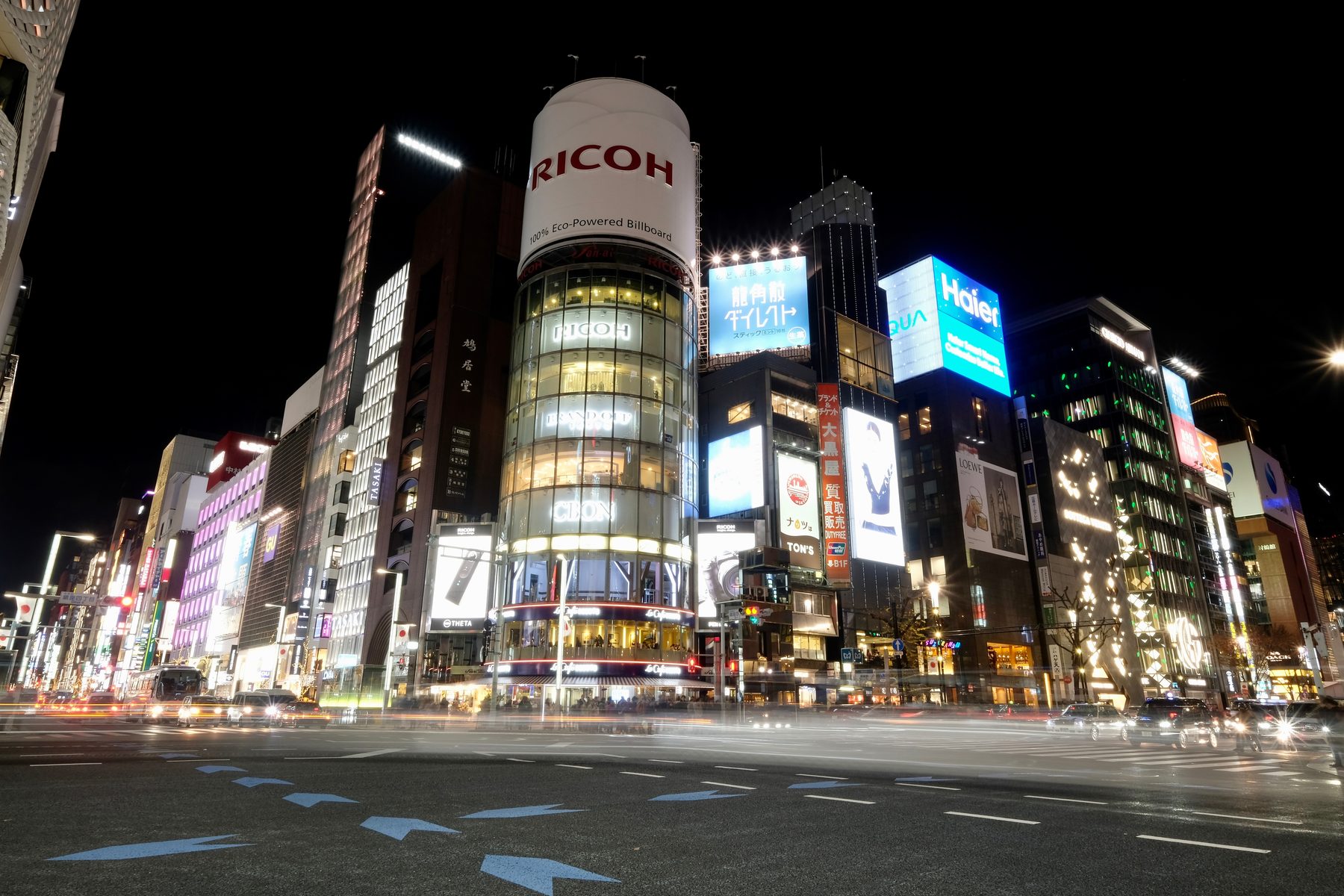
Tokyo's polished side. Flagship boutiques and department-store food halls, quiet galleries, and some of the city's great sushi counters tucked into unmarked basements a short walk from Tokyo Station. This is where an evening reservation, made well in advance, earns its keep — and where a stroll on a car-free Saturday afternoon feels like the most civilized thing in the world.
Ueno & Yanaka
Museums & calm
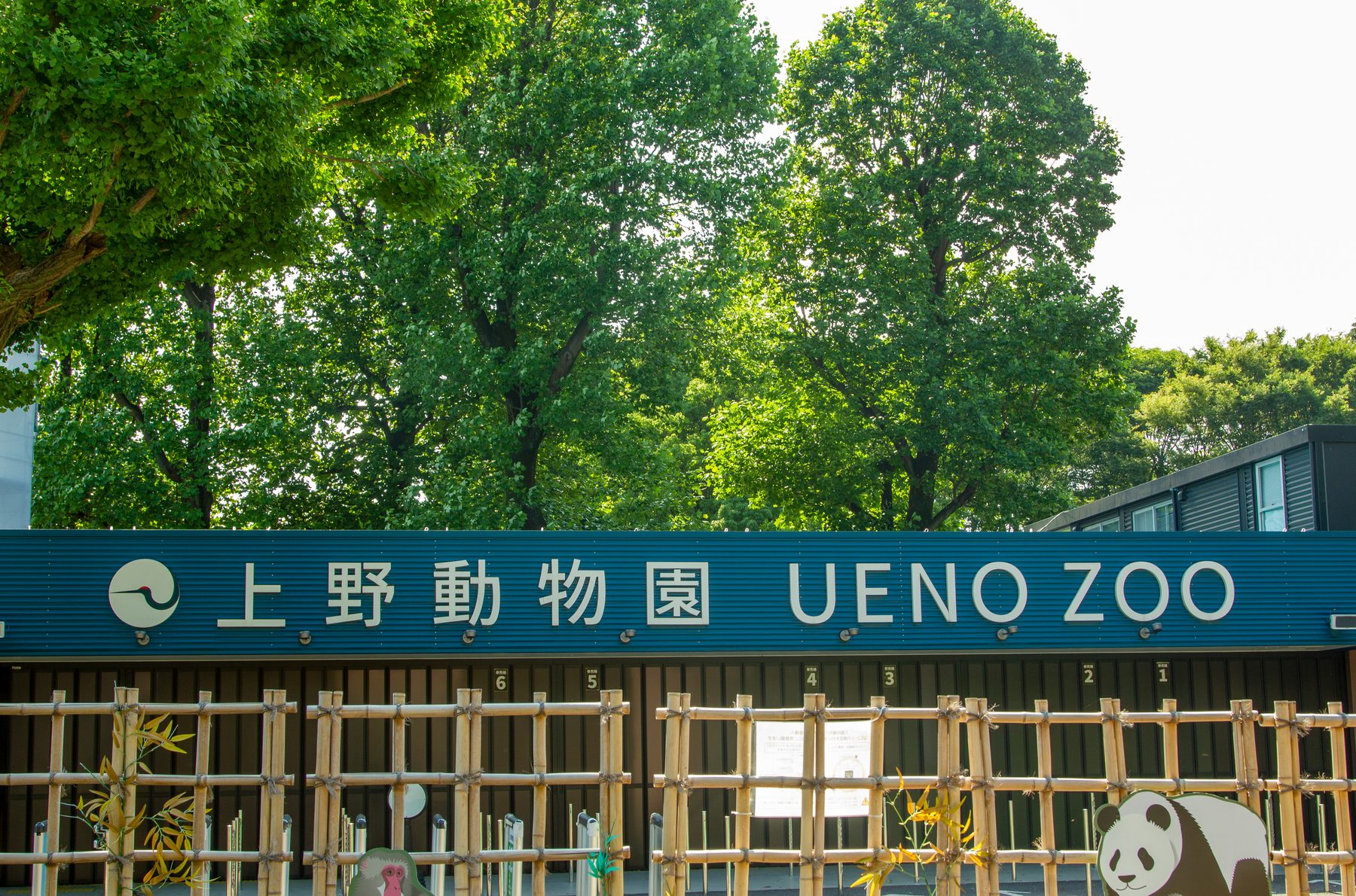
A slower, greener Tokyo. Ueno's sprawling park gathers the city's best museums, a zoo, and cherry trees that draw crowds each spring. Next door, the old-town lanes of Yanaka survived the twentieth century almost intact — temples, cats, craft shops and a wooden calm that rewards an aimless afternoon on foot.
Odaiba & the bay
Family & future
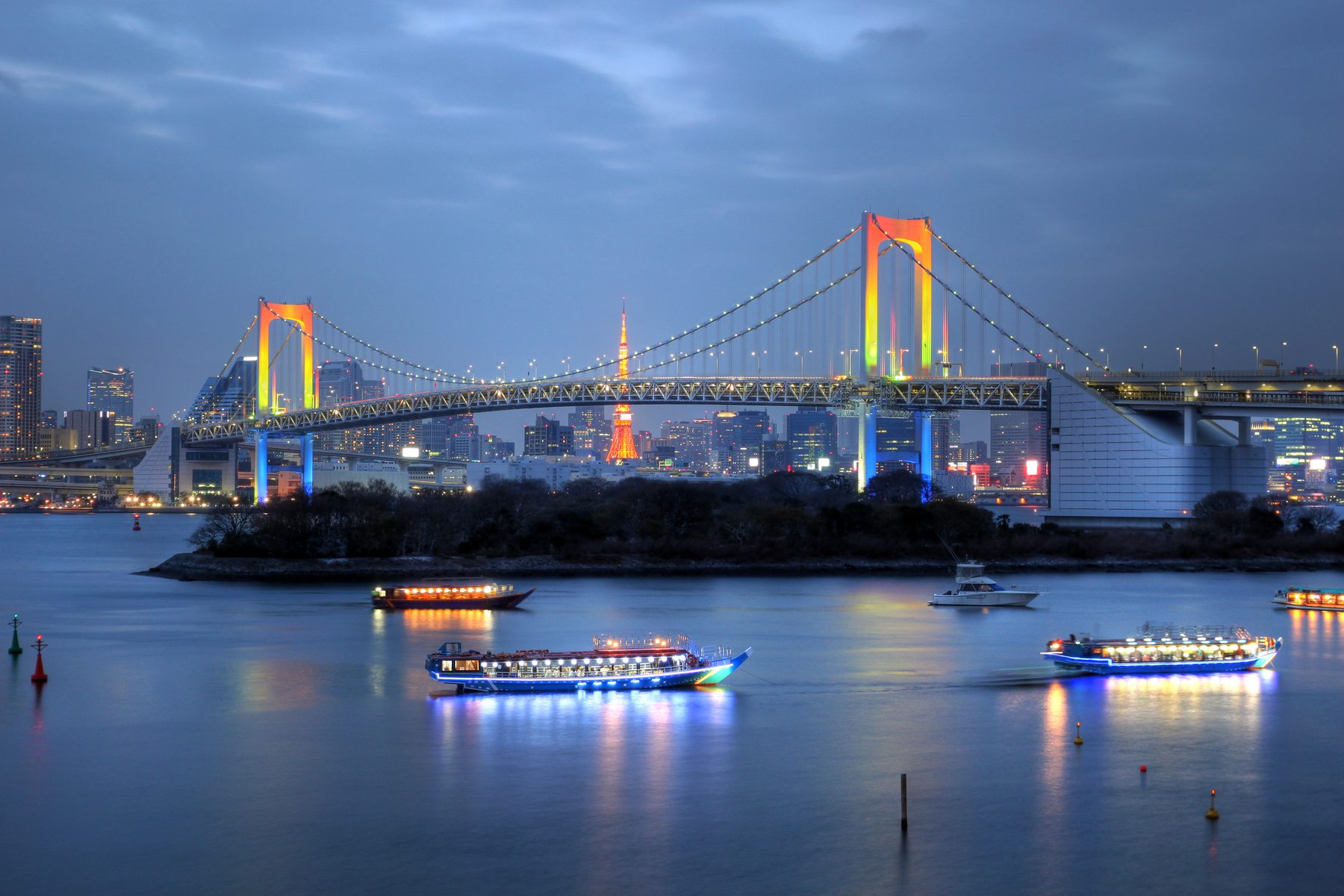
The waterfront, and the easiest win with younger travelers. Wide bay views back toward the skyline, the life-size Gundam, the science museum, and room to roam — a good half-day when the family needs space and a change of pace from the density inland. teamLab's immersive digital art sits just along the bay at Toyosu, with a second, larger world of it inland at Azabudai Hills.
The table
Where — and what — to eat in Tokyo
At a glance
Tokyo is arguably the best food city on earth, at every price. Eat sushi at a counter, ramen at a window seat, and one proper kaiseki or teppanyaki dinner. The great small counters seat six and take no walk-ins — that is where a reservation, or a guide, matters.
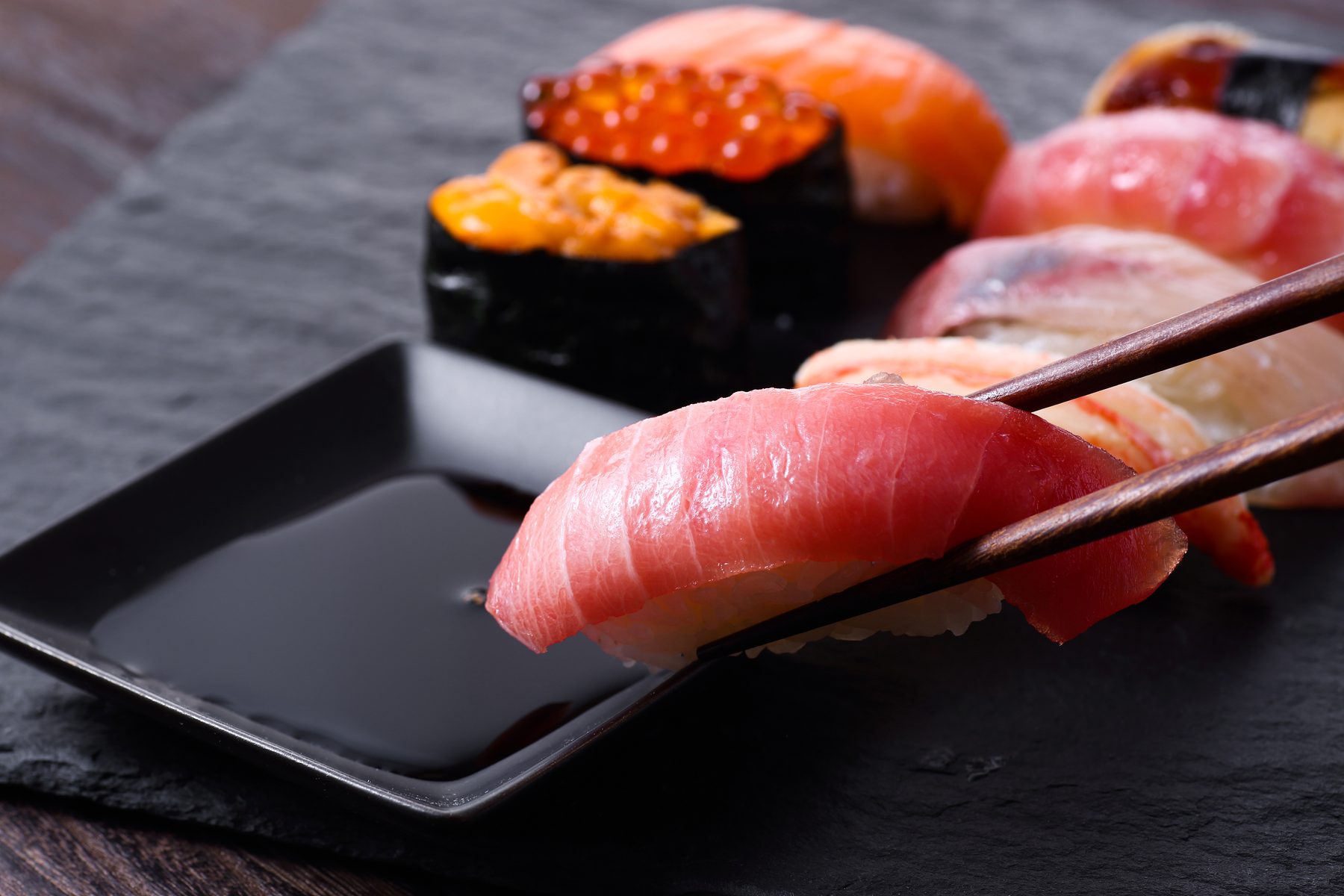
You could plan an entire trip around Tokyo's tables and never repeat yourself. It holds more of the world's finest restaurants than any other city, but the quiet miracle is the bottom of the market: a standing sushi bar, a bowl of ramen from a ticket machine, a convenience-store onigiri that shames a café back home.
- Sushi — from a lively morning counter near the old Tsukiji outer market to a hushed, ten-seat omakase in Ginza. Both are worth doing; they are different arts.
- Ramen & izakaya — the everyday soul of Tokyo eating. Follow the queues, sit at the window, order the house bowl.
- Kaiseki & teppanyaki — for one memorable evening: seasonal, precise, theatrical. This is the dinner to book well ahead.
- Depachika — the food halls in the basements of Ginza's department stores, a glittering education in Japanese food and the best rainy-afternoon browse in the city.
The tables everyone remembers are the hardest to reach — chef's counters that seat six, take no walk-ins, and answer only a phone in Japanese. Opening those doors, quietly and in advance, is one of the things we do best.
For families & teens
Tokyo with the family
At a glance
Tokyo holds every age. Teens for Shibuya, Harajuku and Shimokitazawa; children for teamLab, Ueno's zoo and museums, and Odaiba; parents for the quiet dinners in between. Pace it one headline area a day.
Few cities hold a family's attention like Tokyo. Teenagers gravitate to the vintage lanes of Shimokitazawa and the energy of Shibuya; younger children to teamLab and the zoo and museums of Ueno; parents to the quiet teppanyaki dinners in between. Everyone finds their Tokyo, and — rarely for a family trip — nobody is bored.
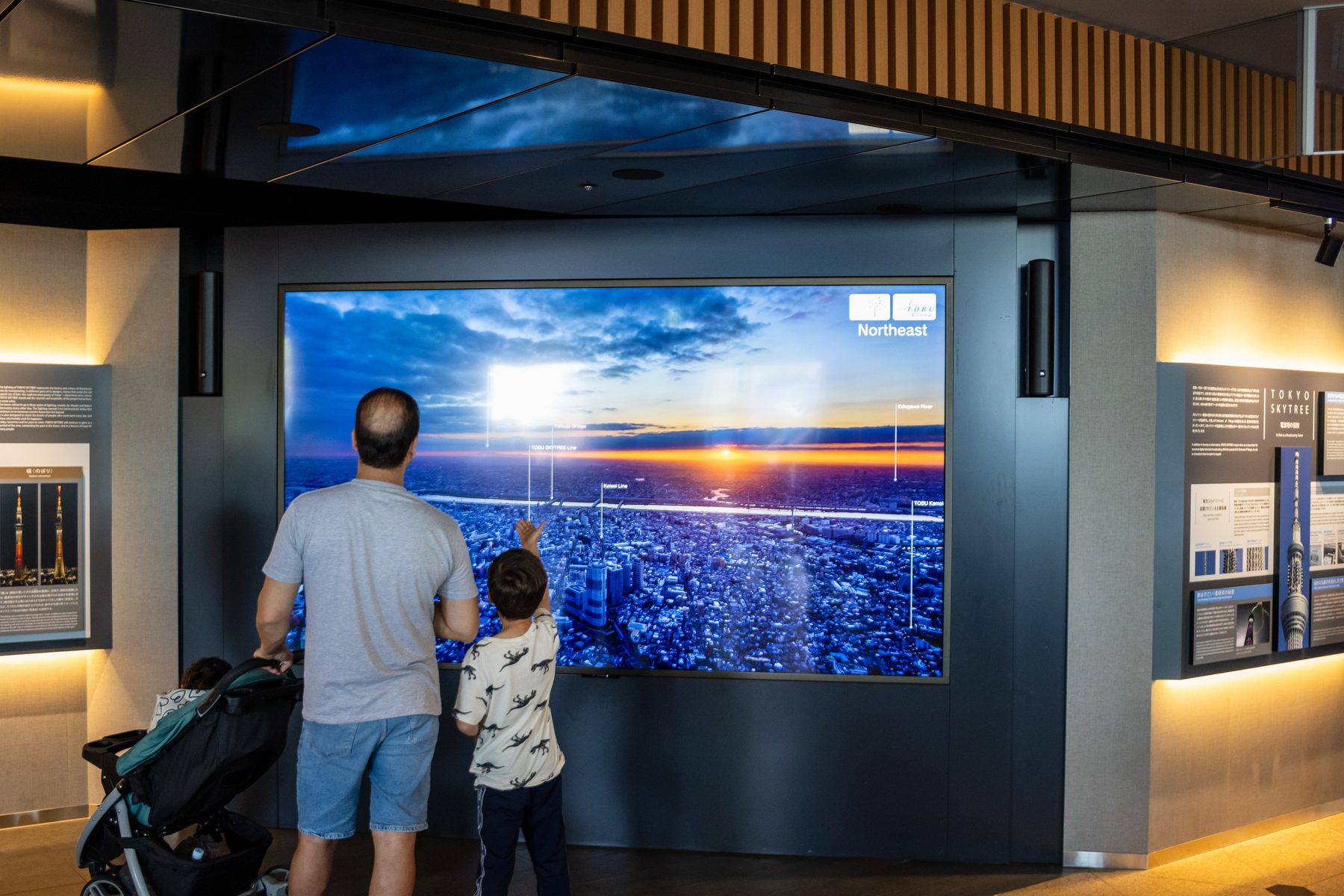
One note, because most guides have not caught up: there are no pandas at Ueno any more. The twins Xiao Xiao and Lei Lei — born at the zoo in 2021 — went home to China on 27 January 2026, and with the four Wakayama pandas returned the year before, Japan is without a giant panda for the first time since 1972. Ueno Zoo is still a good morning with small children. It is simply worth knowing before you promise anyone a panda.
The trick is pacing: one headline area a day, an early dinner, and a plan flexible enough to follow the weather and everyone's mood. Get that right and Tokyo becomes the rare trip the whole family agrees on — the sumo morning the kids still talk about, the market lunch the parents quietly loved.
After dark
Tokyo after dark
At a glance
The city changes character at night — Golden Gai's tiny bars, Shinjuku from a high window, a late ramen counter. The best rooms seat a handful of people and take no walk-ins.
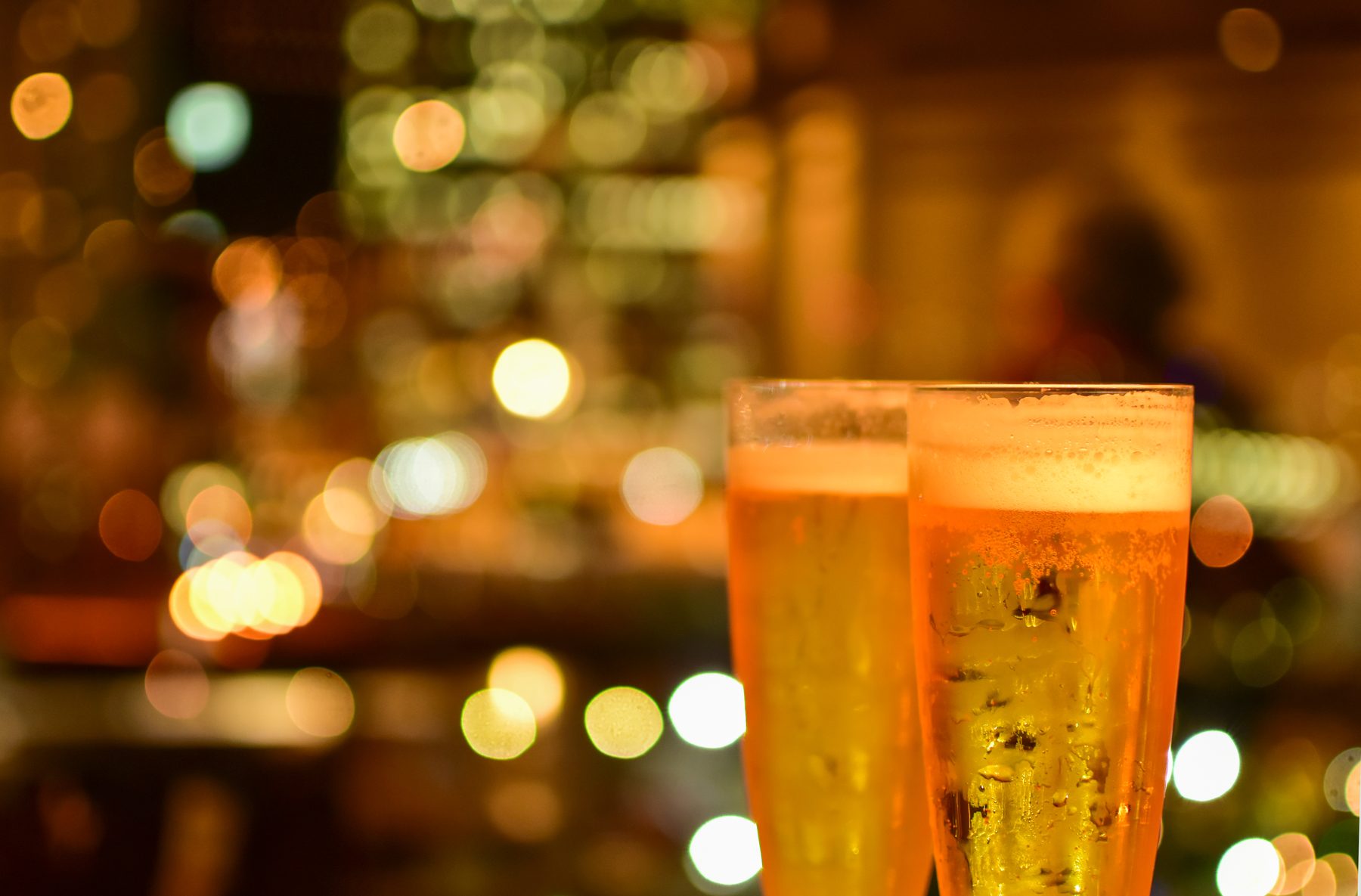
Tokyo after dark is the city many travelers remember most. The lantern-lit alleys of Golden Gai and Omoide Yokocho, the glow of Shinjuku from a quiet high bar, a jazz basement in a nondescript building, a late ramen counter with a queue that's worth it. None of it shouts; you have to know where to turn.
Insider tip:the best counters and bars seat six and take no walk-ins. This is exactly where a local connection quietly changes your evening — a door held open that you'd never have found alone.
Beyond the city
The best day trips from Tokyo
At a glance
Three classics: Hakone (onsen and Mt. Fuji views), Kamakura (the Great Buddha and coastal temples) and Nikko (lavish UNESCO shrines in cedar forest). Each is 60–120 minutes out.
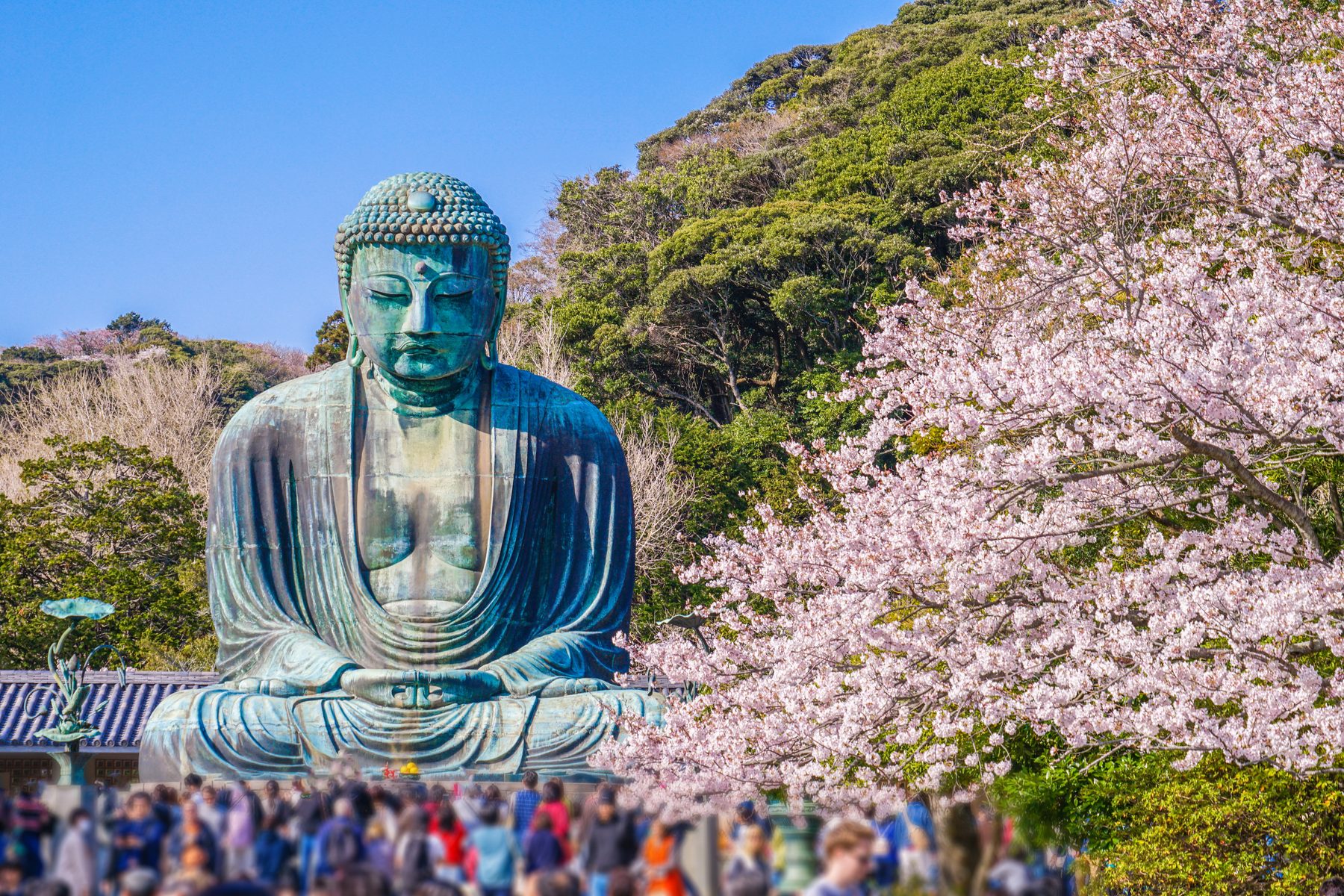
Part of Tokyo's genius is how easily it lets you leave it. On a four-day-plus visit, one day out of the city gives the trip a change of texture — mountains, coast or forest, and back for dinner.
- Hakone — hot-spring inns, a lake cruise, open-air art and, on a clear day, Mt. Fuji reflected in the water. The classic overnight, or a full day.
- Kamakura — the seated Great Buddha, bamboo temples and a laid-back coast, an hour south. Easy, atmospheric, good with children.
- Nikko — extravagantly carved UNESCO shrines set in towering cedar forest, two hours north. The most dramatic of the three.
- Mt. Fuji & the Five Lakes — a fuller day for the mountain itself, best with a private driver who can chase the clear-sky windows.
Practicalities
Getting around Tokyo
At a glance
Tokyo's trains are superb — clean, punctual, signed in English. But the trips we're proudest of are built around a private driver and guide: the city arrives at your pace, in the right order, with nothing to navigate. Trains are woven in where the ride itself is part of Tokyo.
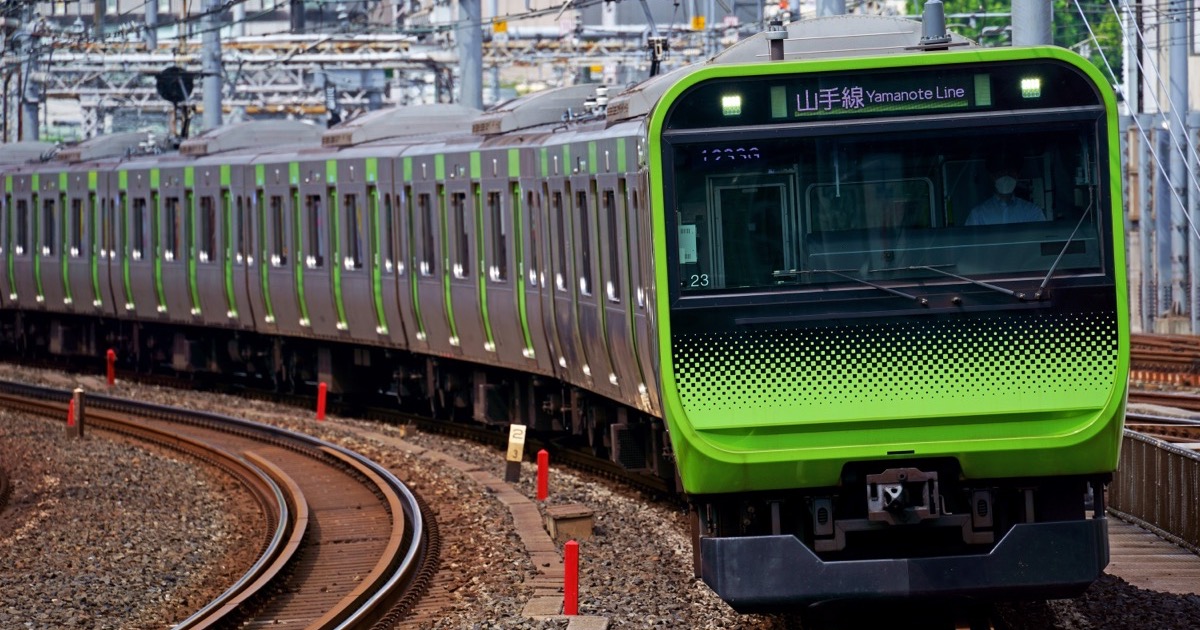
Tokyo's trains and subways are famously clean, punctual and signed in English, and riding the Yamanote line at least once is part of meeting the city. A rechargeable IC card (Suica or PASMO) taps you through every gate and buys drinks and convenience-store snacks too.
But there is a different way to experience the same city, and it is the one we build for our guests: a private driver and guide threading the day together. The kids fall asleep on the way back from the aquarium and nobody re-plans the evening. You step out of dinner in good clothes and the car is already there. Your guide reads the weather and quietly reorders the afternoon. None of that is about avoiding the trains — it is about a day that bends around your family instead of the other way round. That, more than any single sight, is what makes a trip feel like it was designed for you alone.
Timing
When to visit Tokyo
At a glance
Late March–April for cherry blossoms and November for autumn color are the most beautiful — and busiest. February and early summer are quieter and often the smarter choice.
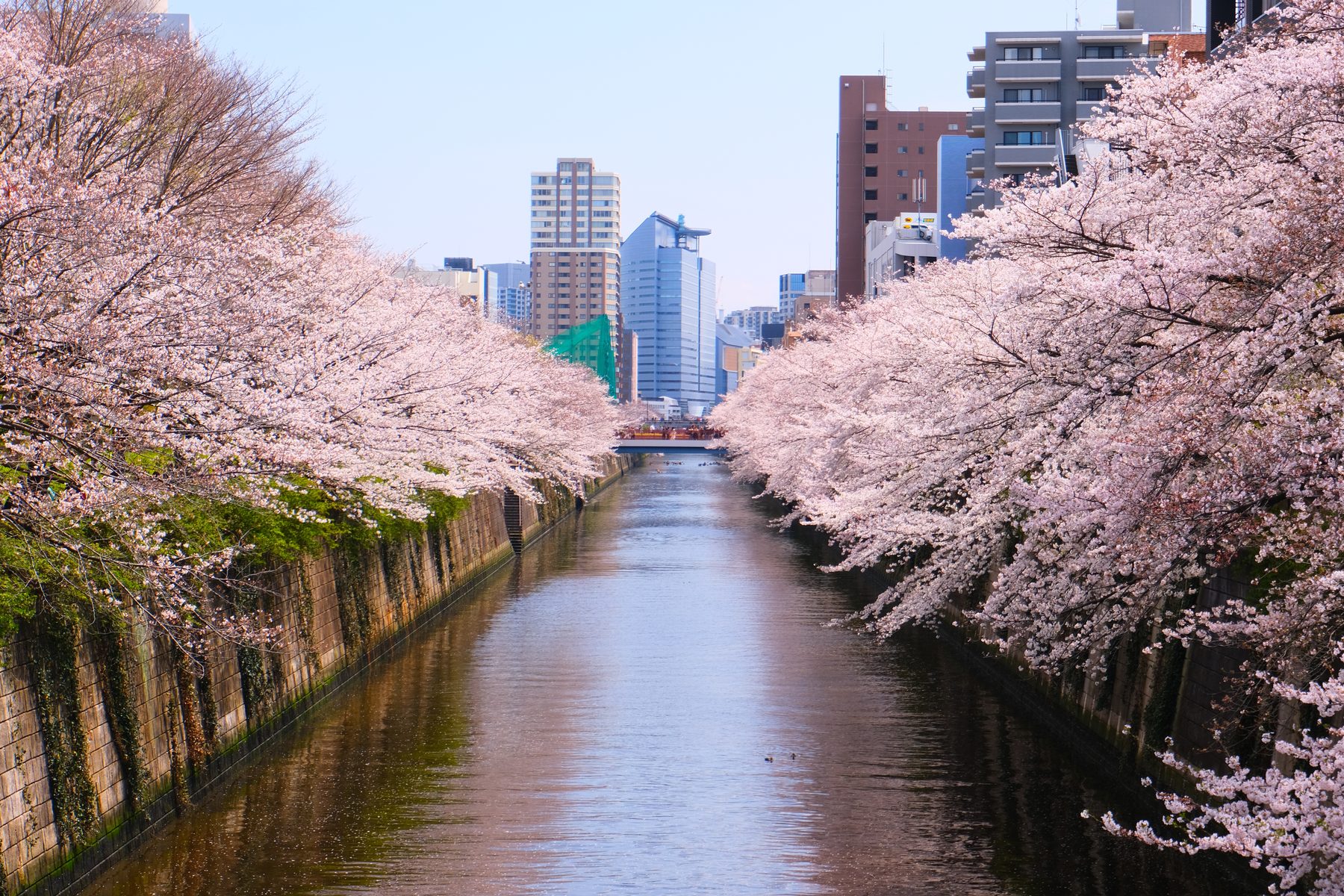
Spring, late March into April, brings the cherry blossoms and one of the loveliest weeks of the year. Autumn, through November, brings maples and the clearest skies. Both are beautiful and both are busy — book early and expect company at the famous spots.
The quieter, shoulder seasons — February, early summer before the rains — are, for a discerning traveler, often the smarter choice: fewer crowds, better availability, and a city that feels more like itself. For a month-by-month view across the country, see our best time to visit Japan guide.
Budget
What does Tokyo cost?
At a glance
The question that matters here isn't what Tokyo costs — it's what the money buys. The everyday city is famously good value, which means your budget concentrates where it should: the chef's counter, the right suite, the doors that only open with someone local ahead of you.
Where money matters in Tokyo is at the top: a hushed omakase counter, a bay-view suite, an artisan's workshop opened for your family alone. These are the hours your children will describe at dinner parties in twenty years, and they are precisely the things that cannot be booked from abroad without help. The everyday city, meanwhile — trains, a bowl of ramen, a convenience-store picnic — runs on brilliantly little, which is exactly why the memorable end of the trip deserves the investment.
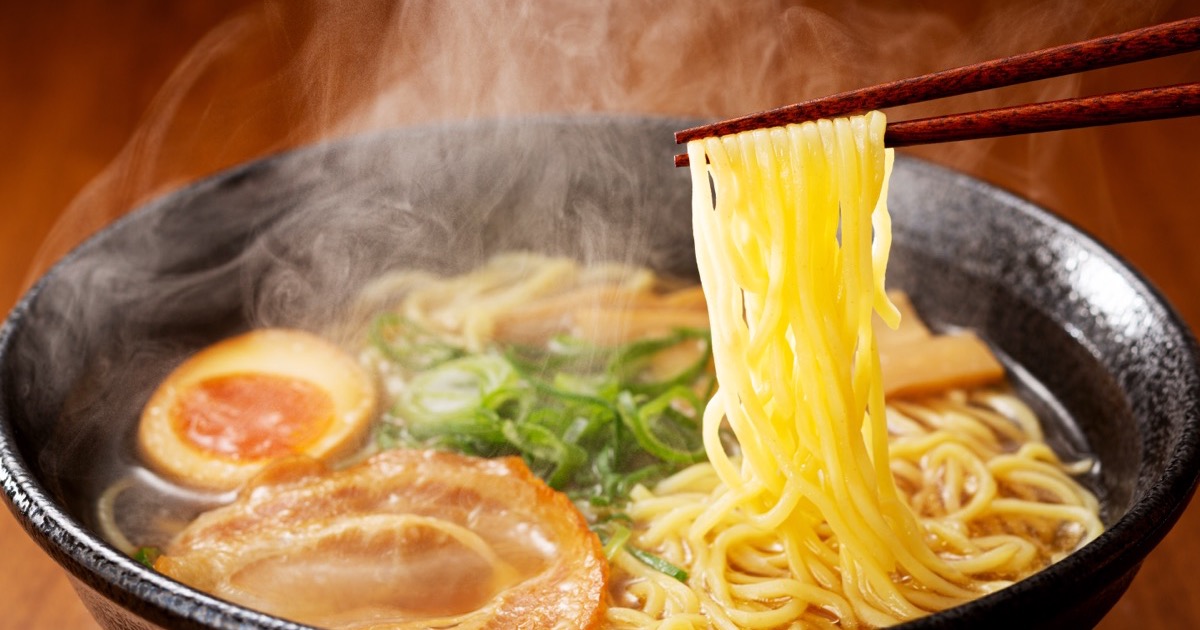
The way we build it with guests: put the budget where it changes the memory — one extraordinary dinner, the right room, a day led by someone who knows which doors open — and let the everyday city carry the in-between hours beautifully on its own.
Money
Taxes: what changed in 2026
At a glance
Two tax changes were settled in 2026: the departure tax tripled to ¥3,000 in July, and from April 2027 Tokyo's lodging tax becomes 3% of the room rate. Neither is ruinous — but at the top of the market, the second one is real money.
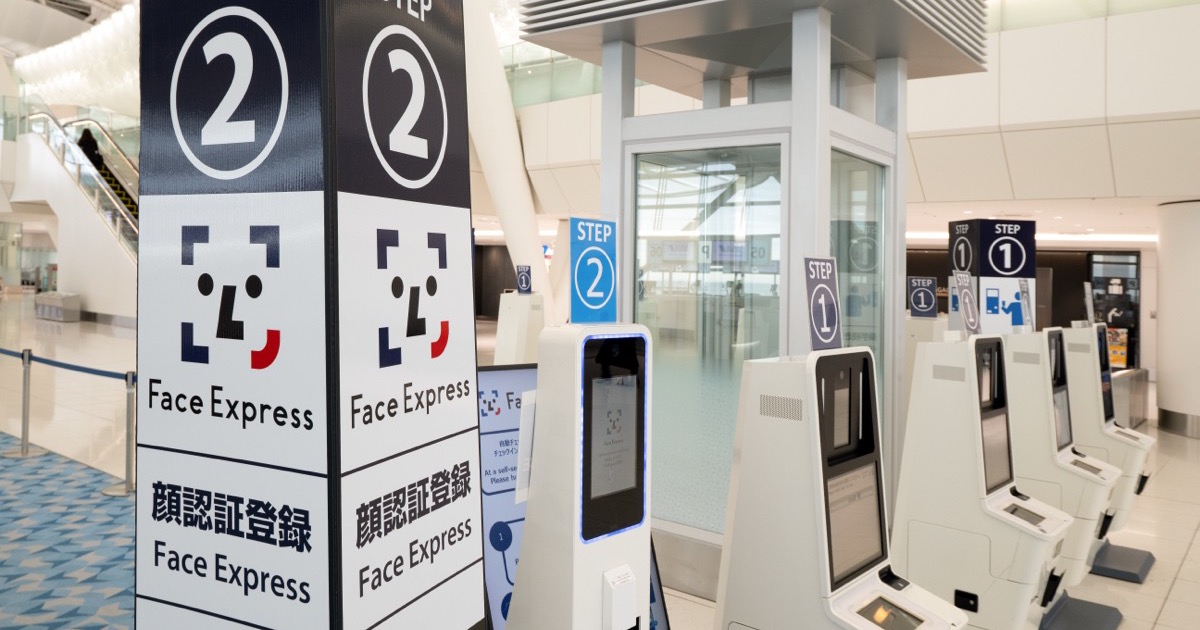
Two things changed in 2026 that no guide written before this summer will tell you, and both touch your wallet. First, Japan's departure tax tripled on 1 July 2026, from ¥1,000 to ¥3,000. It applies to everyone leaving the country, is collected inside your air ticket rather than at the airport; children under two are exempt, as are passengers transiting within 24 hours. One nuance worth having: if your ticket was issued before 1 July with the departure date already fixed, the old ¥1,000 rate still applies — so a flight booked last winter is not caught by this. It is not a large sum against a long-haul fare in any case; it is simply worth knowing it is there.
The other one is coming, and it is the larger number for anyone staying well. Tokyo's lodging tax today is trivial — ¥100 or ¥200 a night, nothing at all under ¥10,000. From 1 April 2027 it becomes 3% of the room rate, with nothing charged under ¥13,000 a night. On a ¥30,000 room that is ¥900 instead of ¥200. On a ¥150,000 suite it is ¥4,500 a night instead of ¥200— and it will cover serviced apartments and licensed private rentals too, which the current tax does not. This is not a proposal: the ordinance has been through the assembly, has the ministry's consent and was promulgated in July 2026. If you are choosing between 2026 and 2027 at the top of the market, it is a real difference.
Money
Tax-free shopping becomes a refund
At a glance
From 1 November 2026, tax-free shopping becomes a refund: pay the full price in the shop, reclaim the tax at the airport on the way out. Keep every item with you at customs — the check works per receipt, not per item.
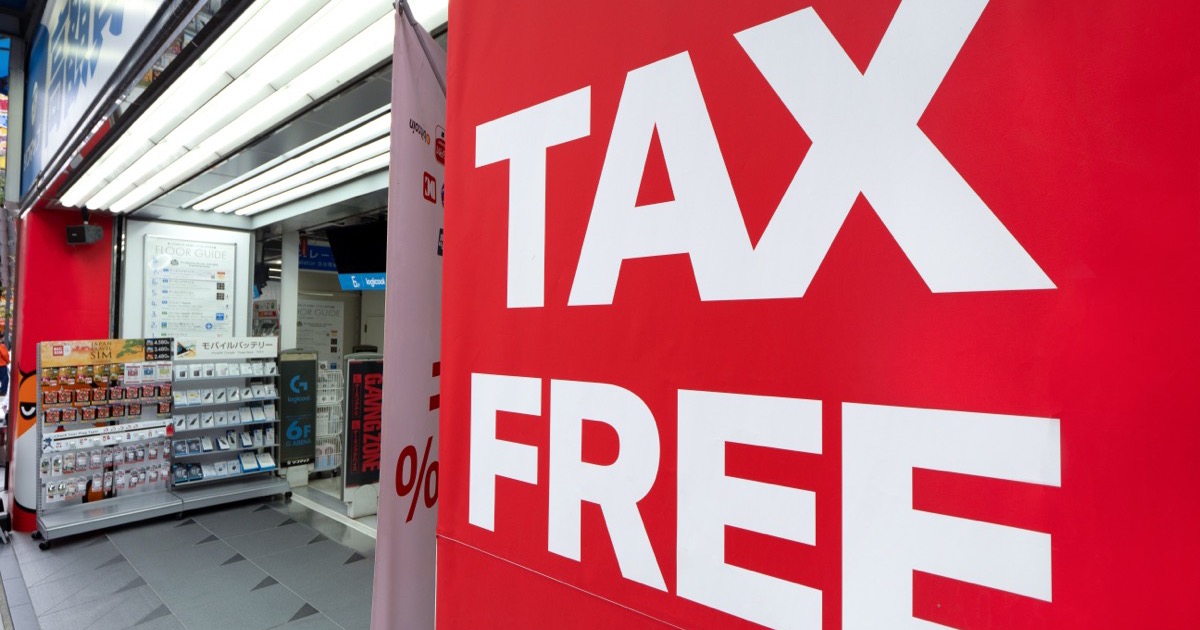
The second change is bigger if you shop. From 1 November 2026, tax-free shopping switches to a refund system: instead of the tax being waived at the till, you pay the full tax-inclusive price in the shop and reclaim the consumption tax at the airport on the way out, after customs confirms you are taking the goods with you. You have 90 days from purchase to leave. The trigger is the date of the sale, not your flight — buy on 31 October and the old system still applies, even if you fly home in December. There is no transition period.
Two details in that change are worth the price of this paragraph. The old ¥500,000 daily cap on consumables is abolished, and so is the sealed-bag rule that meant you couldn't open what you bought — both good news if you buy seriously. But the refund is a cash-flow change: on a ¥500,000 purchase you now front ¥50,000 in tax and wait to get it back. And howyou get it back is not fixed in law — card, transfer, app or cash are all permitted, and it will vary by shop. Anyone telling you confidently that “you collect cash at the airport” is guessing. Rules as of July 2026; check the National Tax Agency's own explainer for your dates.
Two traps in that new system are worth more than everything else on this page, because they are where people actually lose the money. First: you must be physically holding every item when customs checks it — which means you cannot drop your suitcase at the check-in desk and then go and claim your refund. The bags have to still be with you. Second: the confirmation works per receipt, not per item. If one thing on a receipt isn't there — worn, eaten, posted home, packed in a case you've already checked — the whole receipt loses its exemption, not just that line. On a serious afternoon's shopping that is a genuinely expensive mistake, and it is nowhere near obvious.
If you have read this far and thought this is a lot to keep track of— that is the honest reaction, and it is more or less our job description. We keep the rules straight so you don't have to. Start a conversation →
Money
Cards, cash and paying in yen
At a glance
Japan is now majority-cashless — yet card friction is rising, worst in restaurants. Bring a credit card and some cash, skip the QR apps, and when a terminal offers your home currency, always choose yen.

Now the part that catches almost everyone, because the received wisdom has it backwards. Japan crossed into being majority-cashlessin 2025 — and yet, in the government's own annual survey of what visitors struggle with, “couldn't use my card” is the only complaint that is going up: 7.0% in 2019, 10.7% in 2025. The worst offender is restaurants — roughly a third of those complaints happen at the table. The country is getting more cashless every year and card friction is getting worse, because more of us arrive assuming a card is enough.
Two practical consequences. First, ignore anyone who tells you to use PayPay— Japan's QR apps generally require a Japanese bank account, and barely one visitor in ten can actually use one. Your credit card and some cash are the real answer. Second, when a terminal offers to charge you in your home currency instead of yen, say no. That conversion is priced by the merchant, not your bank, and it is reliably worse. Under Visa's own rules the shop may not pre-select it for you or make paying in yen harder — so a pre-ticked box is not something you have to accept. Always choose yen.
The difference
What a private guide adds
Everything above, you could do alone. What you can't easily arrange is the after-hours temple, the chef's counter that seats six, the artisan who opens his workshop for you, the driver who chases the clear-sky window to Mt. Fuji — the Tokyo that sits behind a language barrier and a reservation you can't make from abroad.
That is the part we handle: the planning, the doors, the quiet logistics. You simply get to be present for it.
Plan your Tokyo trip →Questions, answered
How many days do you need in Tokyo?+
Three to four days is the sweet spot for a first visit. Two days covers the headline sights at a rush; four to five lets you slow down, add a day trip to Hakone or Kamakura, and see the quiet neighborhoods between the icons.
What is the best area to stay in Tokyo for first-timers?+
Shinjuku and the Tokyo Station / Marunouchi area are the most convenient — central, superbly connected, and walkable to dining at night. Asakusa suits travelers who want old-Tokyo atmosphere over convenience; Ginza suits those who want refined and quiet.
How do you get from Narita or Haneda airport into Tokyo?+
From Haneda it's 30–45 minutes to central Tokyo by train or car. From Narita, allow 60–90 minutes; the Narita Express and Keisei Skyliner are fastest by rail. For families and after a long flight, a private transfer removes the guesswork entirely.
Is Tokyo expensive?+
The everyday city — trains, casual dining, convenience stores — is famously good value, so the real question is where to invest. The answer is at the top: a chef's counter, the right suite, a private guide and driver. That is where a Tokyo trip stops being sightseeing and becomes the story your family tells for years.
Is Tokyo good for families with teenagers?+
Very. Harajuku and Shibuya for shopping and street food, teamLab and Akihabara for the pop-culture side, Ueno's museums and parks for a slower afternoon — the mix holds every age without anyone getting bored.
Can you still see pandas at Ueno Zoo?+
No. The twin pandas Xiao Xiao and Lei Lei, born at Ueno Zoo in 2021, returned to China on 27 January 2026 — and with the four pandas at Adventure World in Wakayama sent back the year before, Japan is now without a giant panda for the first time since 1972. Ueno Zoo remains a good morning out with small children; there is simply no panda in it.
Do you need to speak Japanese to get around Tokyo?+
No. Signage and station names are in English and IC cards make the trains simple. That said, the best of Tokyo — a chef's counter, an after-hours temple, a maker's workshop — often sits behind a language and reservation barrier that a guide removes entirely.
What are the best day trips from Tokyo?+
Hakone (hot springs and Mt. Fuji views), Kamakura (the Great Buddha and coastal temples) and Nikko (lavish UNESCO shrines in cedar forest) are the three classics, each about 60–120 minutes away. Mt. Fuji and the Five Lakes make a fuller day.
When is the best time to visit Tokyo?+
Late March–April for cherry blossoms and November for autumn color are the most beautiful — and the busiest. February and early summer are quieter and, for a discerning traveler, often the smarter choice.
Continue exploring
Japan changes its prices and its rules more often than most countries, and a good deal of what is written about it online is quietly out of date. The fares, fees, taxes and access rules on this page were checked against the official sources below in July 2026. Where something was likely to move, we have said so in the text. If you are traveling on dates far from that, check the official page — or ask us — rather than trusting any guide, including this one.
Checked against