
Travel Guide · Fuji & Hakone
Mt. Fuji & Hakone
Where to actually see the mountain, hot springs worth the journey, and how to give yourself the best chance of a clear day.
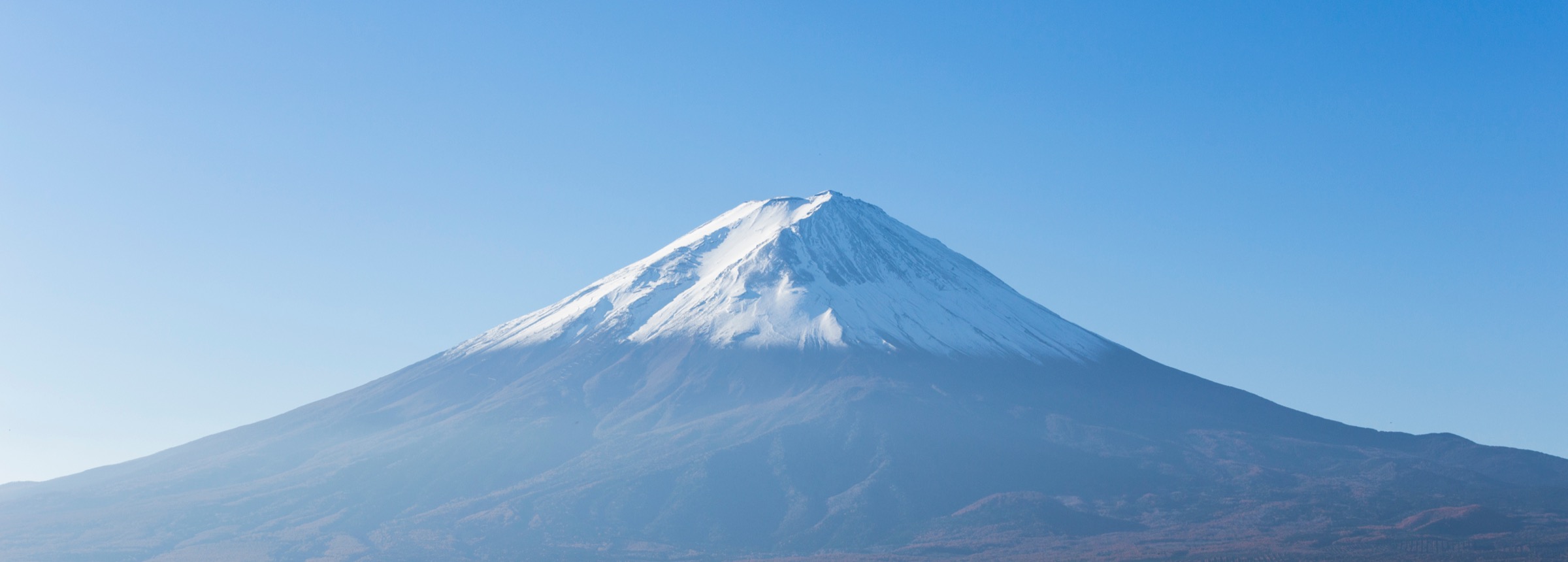
Here is the thing nobody tells you about Mt. Fuji: it is often not there. The mountain makes its own weather, and for much of the year it sits behind a wall of cloud that can arrive in twenty minutes and stay for three days. Travelers come with one afternoon, see gray, and leave having technically been to Fuji.
Which is a pity, because when Fuji does show itself it stops conversation. This guide is about giving yourself the best odds: where to stand, when to go, whether to base yourself in Hakone or at the lakes, and why a night up there is worth more than any amount of planning. We chase these clear-sky windows for the travelers we host, so what follows is what we'd tell a friend — including the parts that aren't on the postcard.
At a glance
Hakone for hot springs, ryokan and a lake with Fuji across it; Kawaguchiko and the Five Lakes to stand closer to the mountain itself. Go in winter for the clearest air, go early in the morning in any season, and stay a night — one dawn beats three afternoons.
The view
Where do you actually see Mt. Fuji?
At a glance
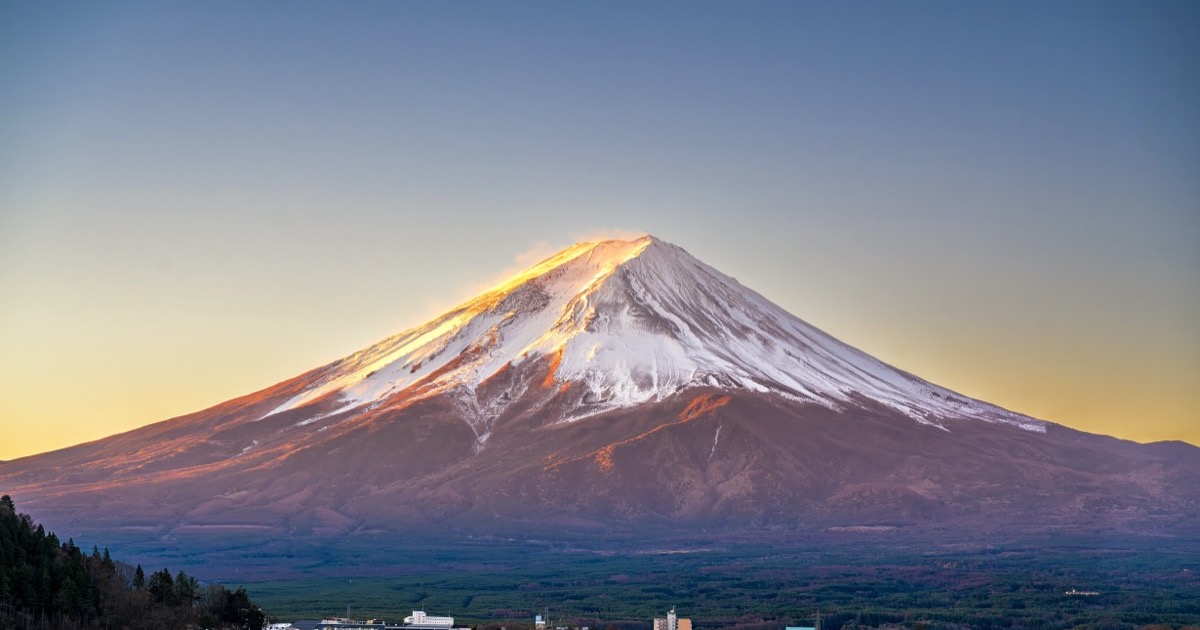
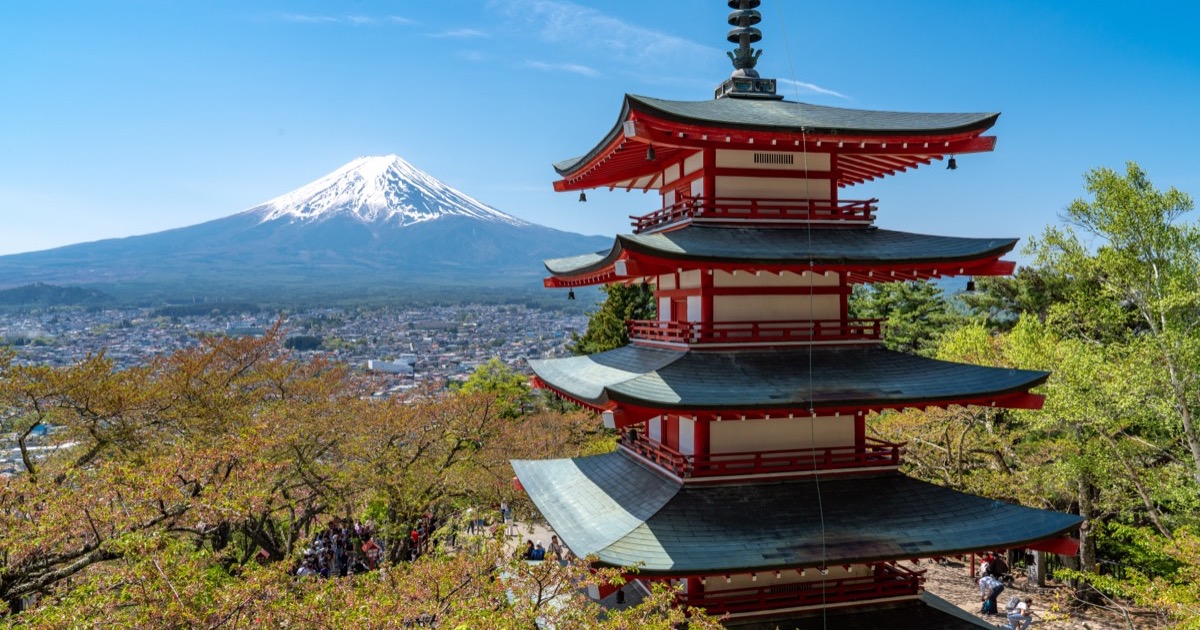
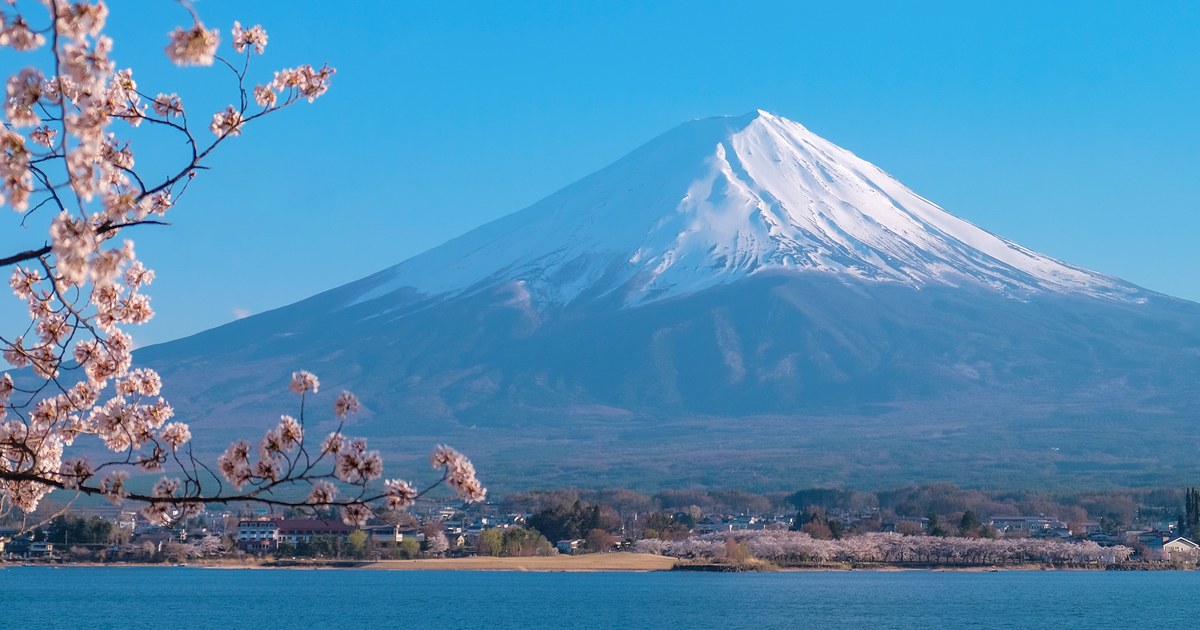
The classic views are from Lake Kawaguchiko (reflection, closest), the Chureito Pagoda (pagoda and mountain together), and Lake Ashi in Hakone (across the water, with the shrine torii). From Tokyo it is a distant silhouette on a clear winter morning.
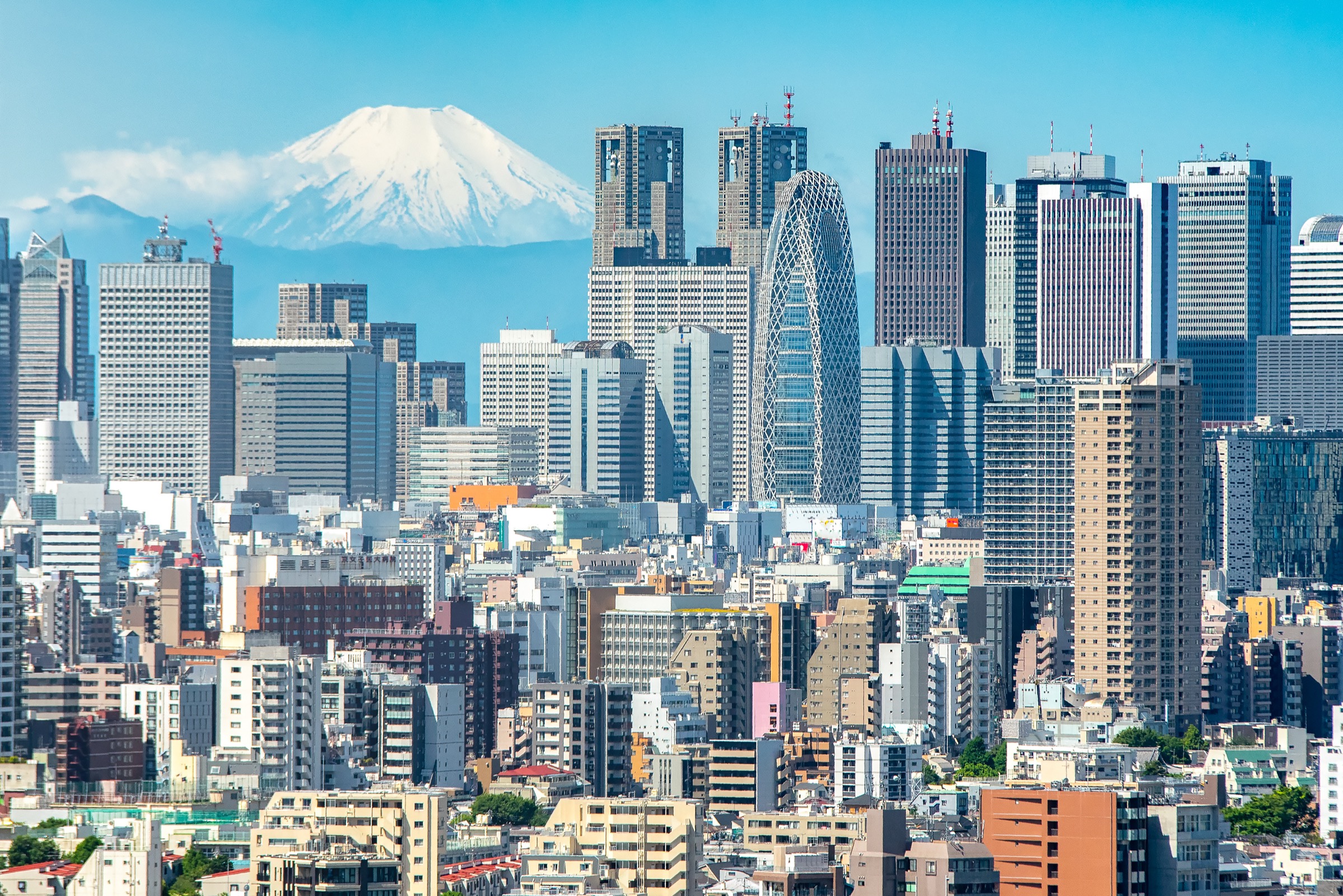
Fuji is visible from a surprising distance — including, on the right day, from the observation floors of Shinjuku or Roppongi. But there is a difference between seeing Fuji and being with it. For that you go west, ninety minutes to two hours, to where the mountain fills the sky rather than punctuating it.
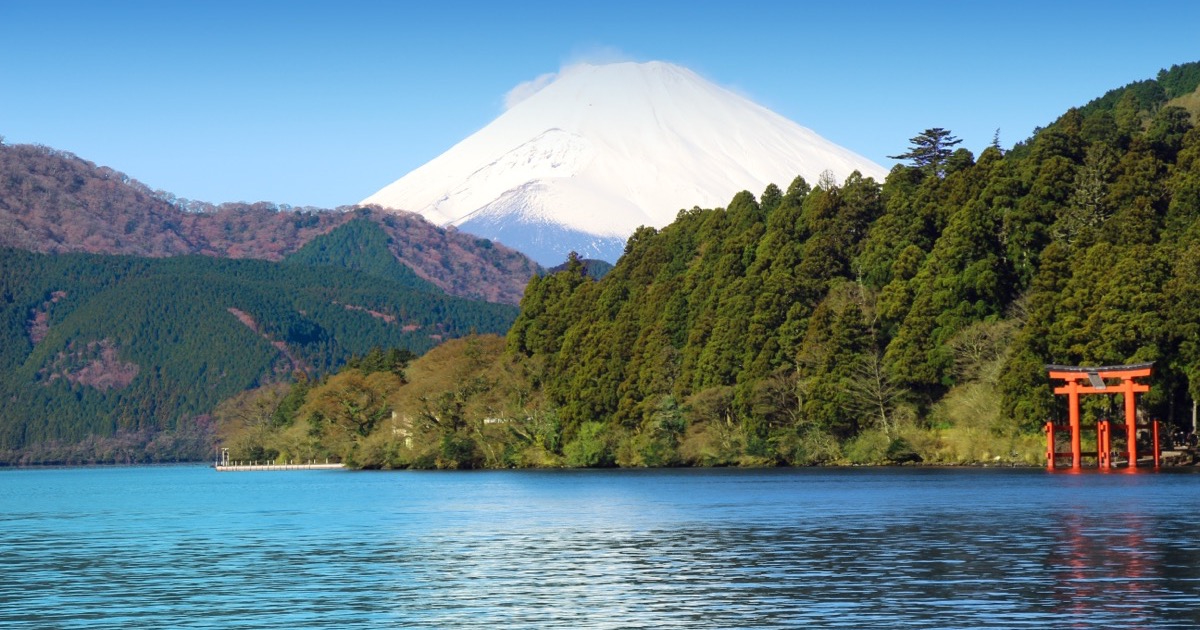
The photograph you have in your head — the symmetrical cone doubled in still water, perhaps with cherry blossom or a pagoda in the frame — is Kawaguchiko or the Chureito Pagoda above it. The Hakone view is different in character: the mountain seen across Lake Ashi, often with the vermilion torii of Hakone Shrine standing in the shallows. Less iconic, more atmospheric, and paired with hot springs.
Choosing
Hakone or the Fuji Five Lakes?
At a glance
Hakone is the richer destination — onsen, ryokan, art, a lake — with Fuji as one element among many. Kawaguchiko is about the mountain itself, up close. First trip with limited time: Hakone. Fuji is the whole point: Kawaguchiko.
This is the question every itinerary hits, and the honest answer depends on what you actually want. If you want a beautiful two days in the mountains — hot springs, a fine ryokan dinner, a boat across a caldera lake, sculpture in a pine forest, and Fuji appearing across the water when the cloud lifts — that is Hakone, and it is one of the loveliest short journeys in Japan.
If what you want is the mountain — to wake up with it in the window, to get the reflection at dawn, to stand at the Chureito Pagoda with the cone behind it — that is Kawaguchiko and the Five Lakes. It is less polished as a destination and closer to the thing you came for.
| Hakone | Kawaguchiko | |
|---|---|---|
| Fuji view | Across the lake, distant | Close, dominant |
| Hot springs | Superb — the region's heart | Present, secondary |
| Ryokan | Among Japan's finest | Good, fewer |
| Best for | A beautiful two days | The mountain itself |
You do not have to choose. Fuji and Hakone sit close enough that a night in a Hakone ryokan and a morning at the lakes is a comfortable two-day loop from Tokyo — and it gives you two separate chances at a clear sky.
Planning
Day trip or overnight?
At a glance
A day trip works. But staying a night roughly doubles your odds of seeing the mountain — you get an evening, a dawn and a morning instead of one afternoon window. Fuji is clearest at first light, which a day-tripper from Tokyo can never reach.
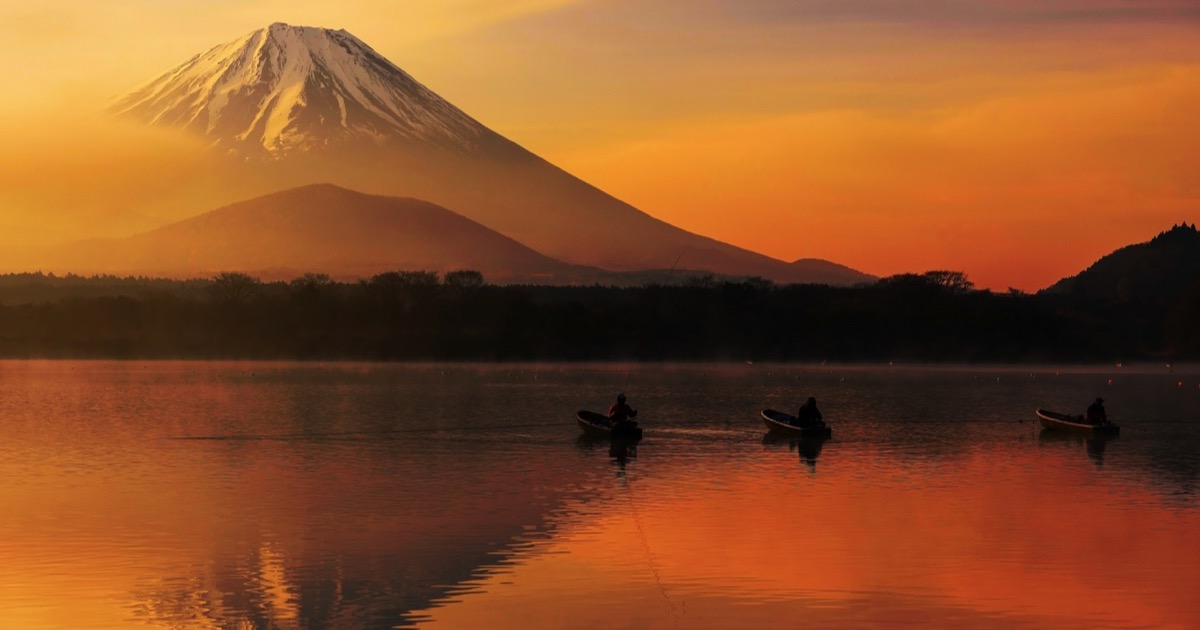
Most visitors do Fuji and Hakone as a long day from Tokyo, and it is a perfectly good day. You will ride the ropeway, cross the lake, eat well, and — if the sky is kind — see the mountain. The problem is that the sky is frequently not kind, and a day trip gives you exactly one roll of the dice, in the middle of the day, which is precisely when cloud is most likely to have built.
Stay over and the arithmetic changes completely. You get the late afternoon as the light turns, you get dawn, and you get the following morning — and dawn is when Fuji is most often out. Add to that an evening in an onsen and a kaiseki dinner, and the overnight isn't a compromise for the mountain's sake. It is the better trip regardless.
The region
What to do in Hakone
At a glance
Hakone is a volcanic caldera turned hot-spring resort: onsen and ryokan first, then Lake Ashi and the shrine torii in the water, the Open-Air Museum, and a ropeway over the steaming Owakudani valley.
Lake Ashi & Hakone Shrine
Water · Torii · Fuji
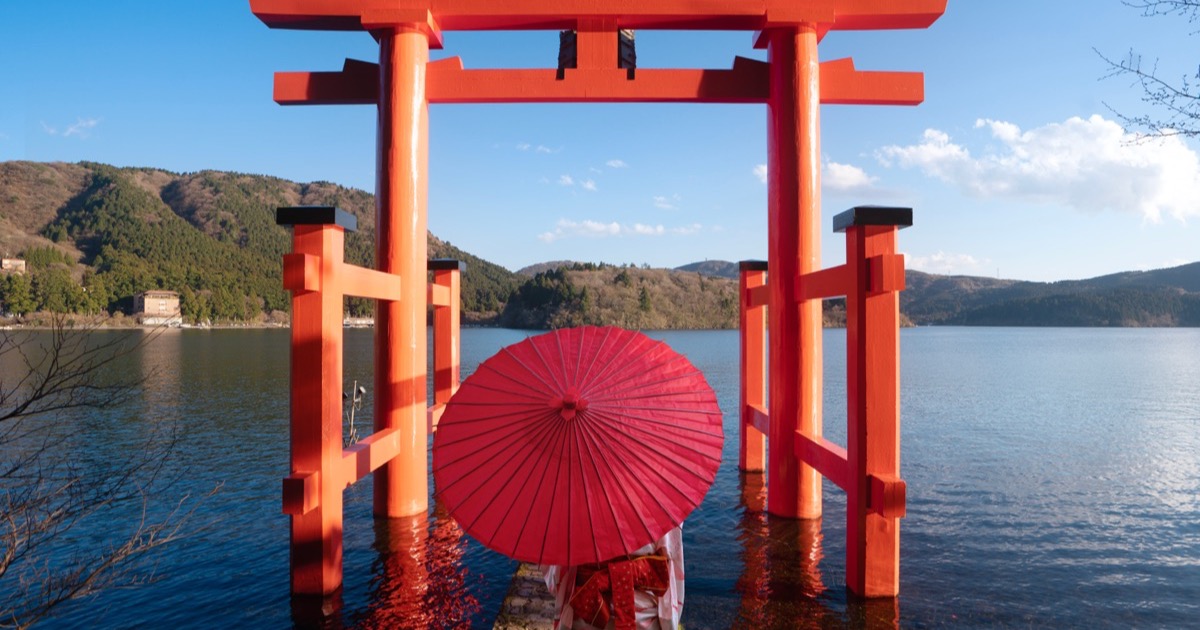
The caldera lake is Hakone's center, crossed by boats and ringed by forest. On its shore the vermilion torii of Hakone Shrine stands in the shallows, one of the most photographed gates in Japan — and on a clear day Fuji rises behind the far shore. Go early: this is a place that empties beautifully before nine.
Owakudani & the ropeway
Volcano · Steam · Air
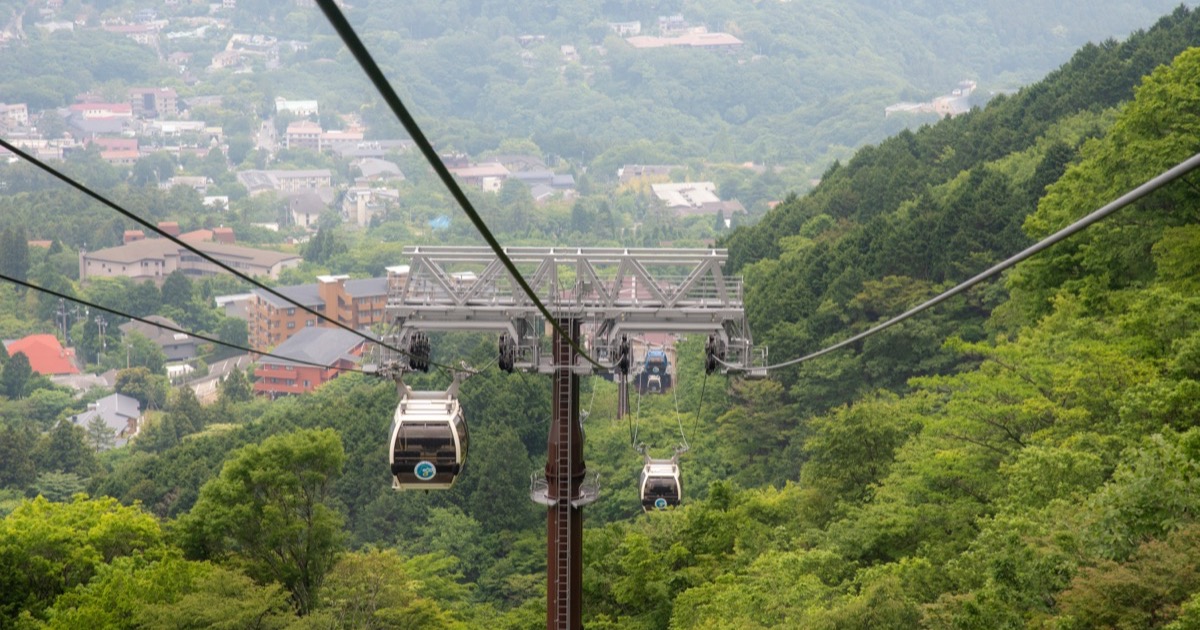
The ropeway lifts you over Owakudani, a valley of sulphurous steam vents where the mountain is still visibly alive. The ride is short, strange and worth doing — and on the descent, if the weather holds, Fuji appears across the whole width of the window.
The Open-Air Museum
Sculpture · Forest · Calm
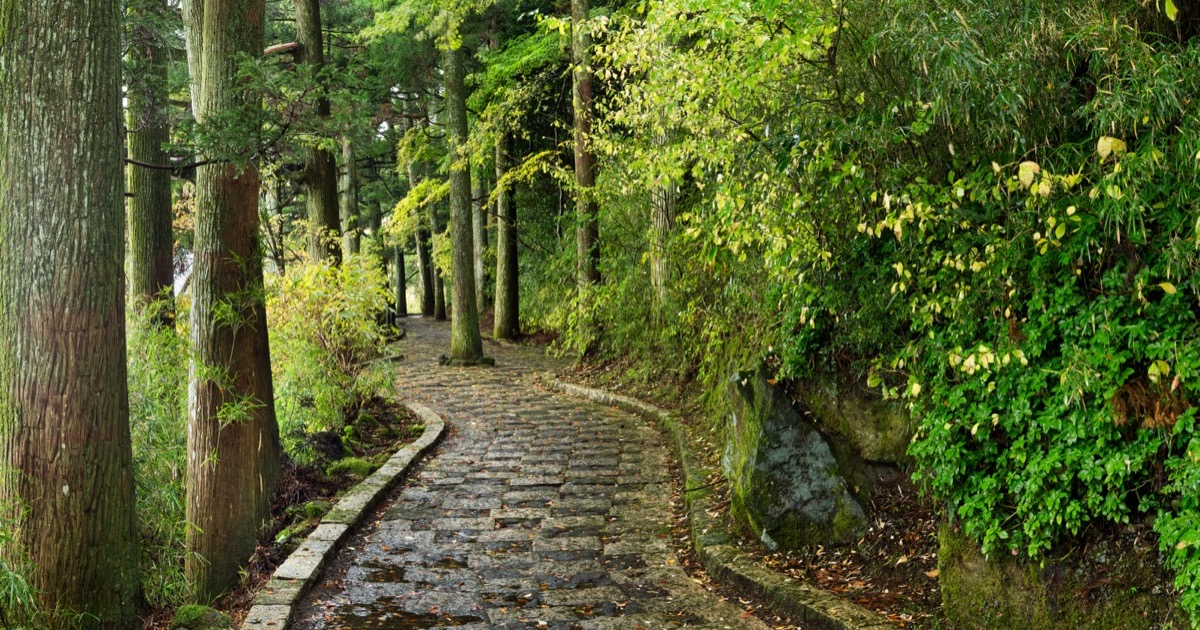
A sculpture park set against the mountains, with major twentieth-century work standing in the open air and a foot bath at the end of it. It sounds like an odd fit for a hot-spring valley and it is one of the most purely pleasant afternoons in the region.
The mountain
The Fuji Five Lakes
At a glance
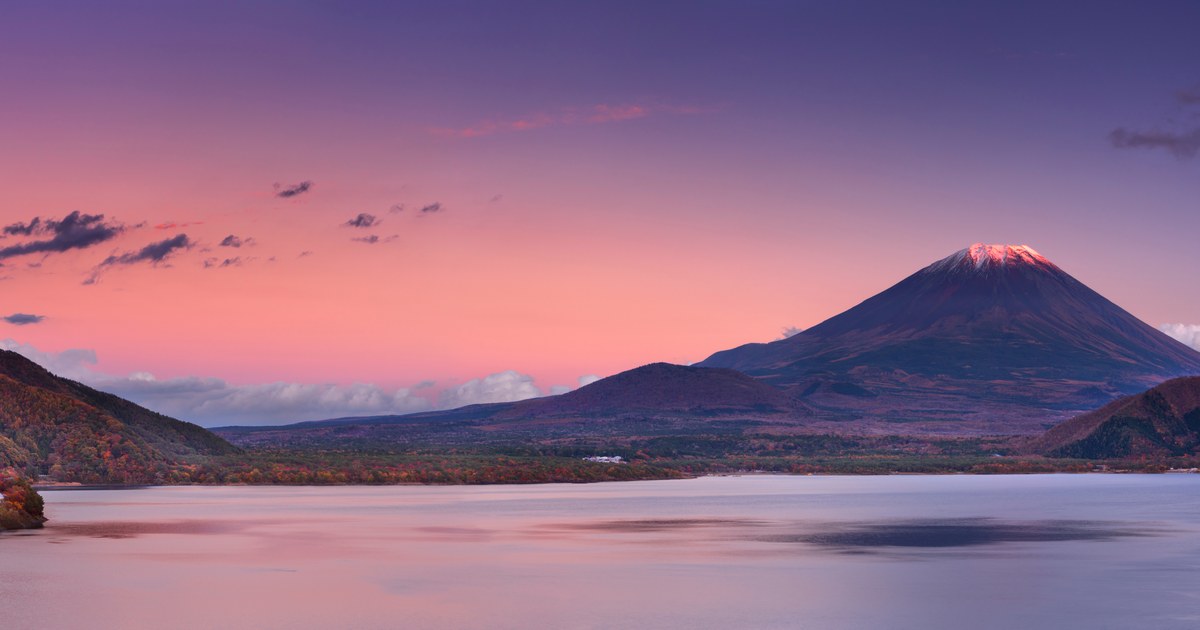
Kawaguchiko is the main lake and the classic reflection view; the Chureito Pagoda above it gives the pagoda-and-mountain frame. The quieter lakes — Saiko, Shojiko, Motosuko — trade amenities for emptiness.
Kawaguchiko is where most people base themselves, and for good reason: the northern shore gives the still water and the symmetrical cone doubled in it, best in the first hour of light before any wind gets up. In cherry season the blossom lines the shore and the view becomes the one on every poster of Japan.
The Chureito Pagoda, on the hillside above Fujiyoshida, is the other famous frame — a five-storey pagoda with Fuji behind it, reached by a few hundred steps. It is crowded, it is worth it, and it is dramatically better at dawn. Beyond these, the western lakes are quieter and rawer, and Motosuko's view is the one printed on Japan's previous thousand-yen note.
Where to sleep
Ryokan, onsen and where to stay
At a glance
The ryokan is the destination here, not the bed. The finest have private open-air baths looking into forest and kaiseki served course by course. Hakone has the greatest concentration in Japan; Kawaguchiko has fewer but some with Fuji from the bath.
This region is where Japan perfected the art of the inn. A great ryokan here is not accommodation with a hot spring attached — it is a single designed experience: you arrive, you change into a yukata, you bathe, you are served a dinner of a dozen small seasonal courses in your room or a private dining room, you sleep on futons laid out while you ate, and you bathe again before breakfast. Nothing is rushed, and very little is explained.
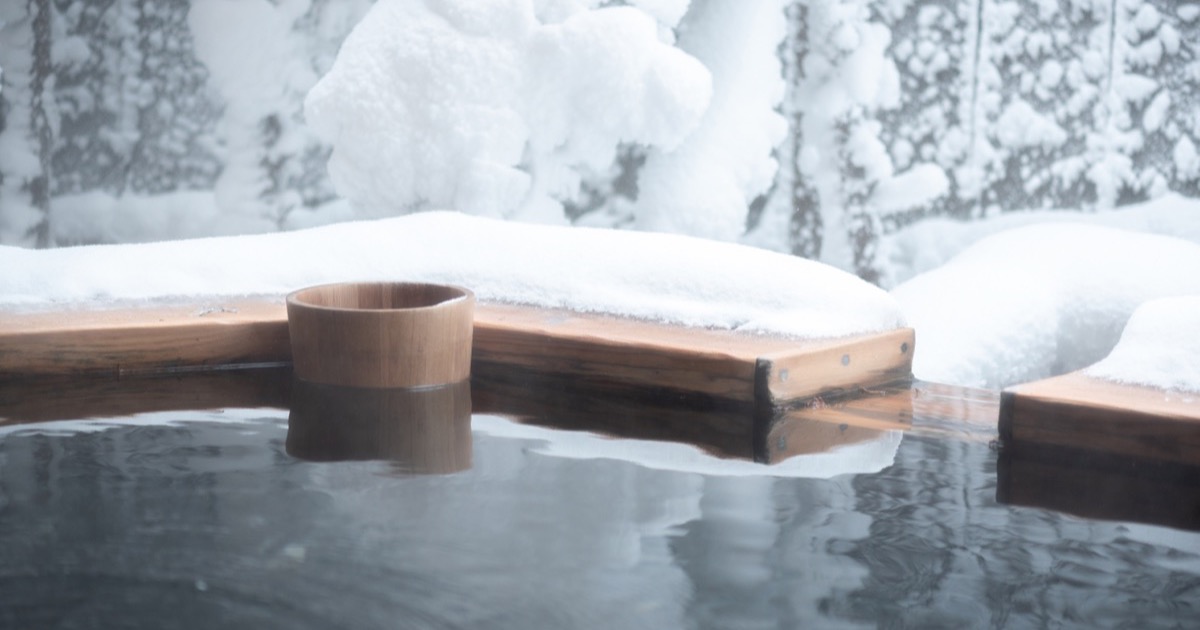
The choice worth making is a room with its own open-air bath. It costs more and it changes the night — stepping out into steam and cold air at midnight, with nothing but forest and the sound of water, is the memory people bring home. And in a handful of places at the lakes, that bath looks straight at Fuji.
The finest of these inns are small, book months ahead, and some are effectively closed to travelers with no introduction. Which is an awkward truth, and one of the more useful things a concierge can quietly fix.
If you have tattoos, read this before you book. Plenty of Japanese bath houses and ryokan still refuse entry to tattooed guests. There is no law behind it — and the tourism agency's own notice to the ryokan and onsen associations says plainly that refusing someone for tattoos alone is not appropriate. It is each establishment's own policy, rooted in an old association with organized crime, and it varies wildly from one inn to the next. A small tattoo may be waved through in one place and refused in another on the same street. The reliable answer is not to argue the point but to route around it: a room with its own private open-air bath, or a bookable private bath, and the question never comes up. This is one of the more common things we quietly solve before anyone arrives.
Good to know
Should you climb Mt. Fuji?
At a glance
Only in the official summer season, when the trails and huts are open — and it is a hard overnight walk on volcanic scree, not a scenic stroll. Most travelers to this region are better served looking at the mountain than standing on it.
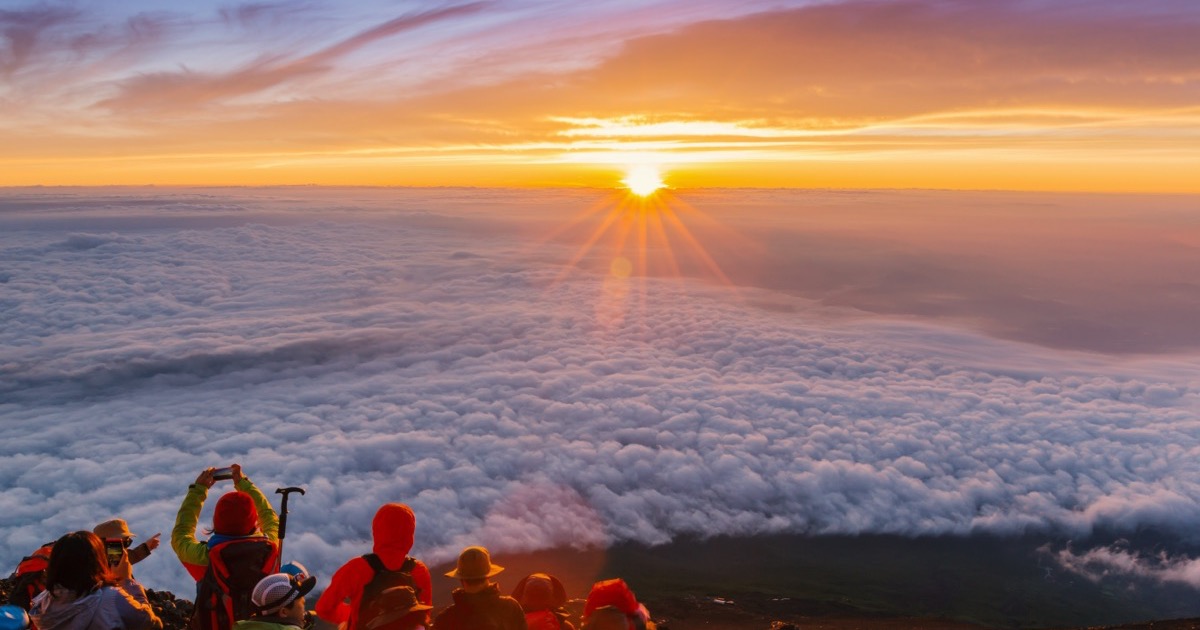
There is an old Japanese saying to the effect that a wise person climbs Fuji once, and only a fool climbs it twice. The mountain is not technical, but it is high, cold, and relentlessly steep in loose volcanic gravel, usually walked through the night to reach the summit for sunrise. People do it and are moved by it. People also do it and spend the following two days unable to walk downstairs.
It is also seasonal: the trails and mountain huts open only in the summer window, and attempting it outside that is genuinely dangerous rather than merely adventurous. If it is on your list, it needs to be the trip's centerpiece with days built around it — not an add-on. For most of the travelers we host, the better version of Fuji is the one seen from a bath at dawn.
What has changed, and what most guides have not caught up with, is that Fuji is now a regulated mountain. As of the 2026 season there is an entry fee of ¥4,000 per climber on all four trails — a significant change, since in 2024 it applied only to the Yoshida trail and at half that. It is no longer a mountain you simply walk up.
| Yoshida (Yamanashi) | Shizuoka's three trails | |
|---|---|---|
| Entry fee | ¥4,000 | ¥4,000 |
| Daily cap | 4,000 climbers, then the gate shuts | No cap |
| Gate closed | Gate shut 14:00–03:00 (hut guests excepted) | Entry 14:00–03:00 requires a hut booking |
| Required first | A 13-point pledge, incl. proper kit | Registration + an e-learning test |
The part that catches people out is the 14:00 gate closure, which is aimed squarely at bullet climbing — arriving in the afternoon and walking through the night without sleeping. On the Yoshida trail that is now a closed gate unless you hold a mountain-hut booking; on the Shizuoka side the same hours require a hut reservation to enter at all. Either way, it is no longer a plan. And when you pay the Yoshida toll you agree to a thirteen-point pledge that includes carrying proper boots, warm layers and separate top-and-bottom rain gear — turning up without them is, at best, an argument you do not want at 2,300 meters.
None of this makes the climb worse — it makes it safer, and the mountain needed it. But it does mean that “we thought we might climb Fuji if the weather looks good” is no longer how this works. Rules have changed in each of the last three seasons, so if the summit genuinely matters to you, check the official position for your dates rather than trusting any article, including this one.
Practical
Getting there and getting around
At a glance
Hakone: about 90 minutes from Shinjuku, then a local web of trains, ropeways and boats. Kawaguchiko: about 2 hours by express bus or train. With luggage, a family, or a ryokan check-in, a private car door to door removes every transfer.
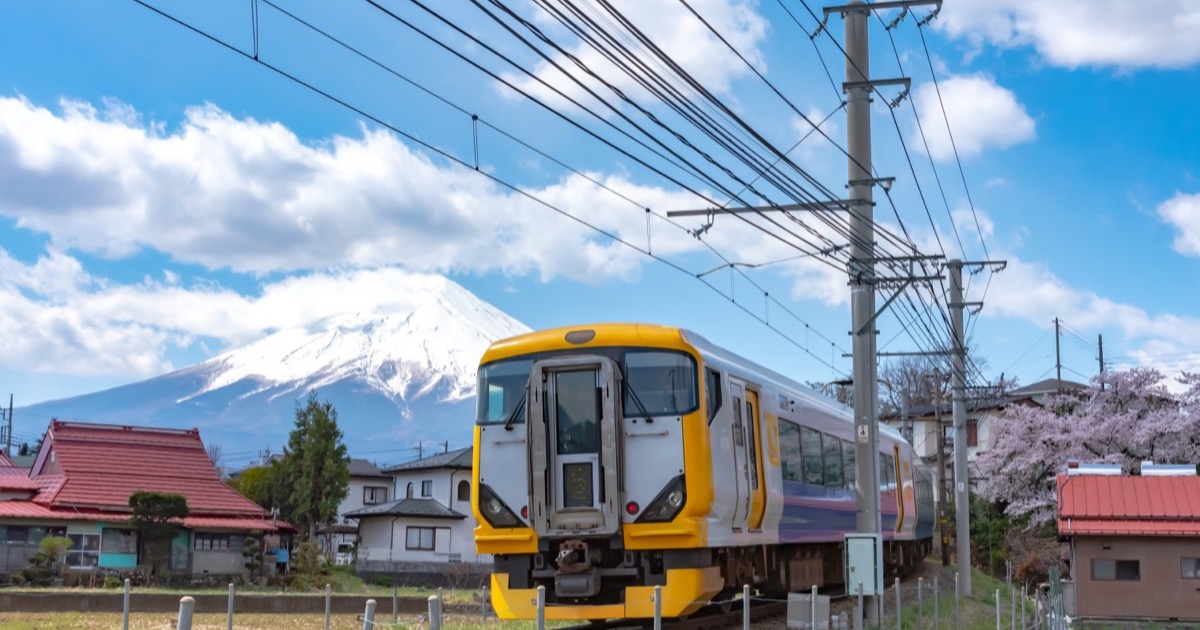
Hakone is famously fun to travel within — the little mountain railway with its switchbacks, the cable car, the ropeway, the boat across the lake. Doing the loop is genuinely part of the experience, and for two people traveling light it is the right way to see it.
The calculus changes with luggage or children. Each of those charming transfers becomes a set of steps and a timetable, and the loop that was delightful at twenty-five is less so at the end of a long trip with two suitcases and a tired eight-year-old. A car and driver from Tokyo, with the bags in the boot and the day arranged around where the sky is clearest, is a different kind of journey.
The real argument for a driver here is not comfort — it is the weather. Fuji's cloud is local and it moves. A driver who is watching it can take you to the shore that is clear this hour rather than the one the itinerary said. That single decision is often the whole difference between seeing the mountain and not.
Timing
When is the best time to go?
At a glance
November to February for the clearest air and a snow-capped mountain — early morning in any season. April adds cherry blossom to the frame. Summer is the worst for visibility, ironically, and the only season you can climb.
Fuji's visibility follows a rule that surprises people: it is best in winter and worst in summer. Cold, dry air holds the mountain sharp on the horizon from November through February, and it wears its snow cap, which is the Fuji of every painting. Summer air is humid and hazy, and the mountain spends much of it entirely hidden.
Within any day, morning wins. Cloud builds as the land warms, so the first hours after dawn are consistently the clearest — another quiet argument for sleeping nearby. Cherry season in April gives you the blossom frame and brings crowds and full ryokan with it; late autumn gives you maples in the Hakone valleys and clear skies at the same time, which may be the best compromise of all.
A fee, a daily cap, a gate that shuts at two, a kit check, an inn that won't take a booking from a stranger, and a mountain that only shows itself when it feels like it. Chasing that clear morning on your behalf is, more or less, the job. Start a conversation →
The difference
What a private guide adds
Everything above, you could do alone. What you can't easily arrange is the ryokan that keeps its best room for people it knows, the driver who reads the cloud that morning and takes you to the shore that is clear rather than the one on the plan, and the dawn start that only makes sense when someone else is handling every other detail.
That is the part we handle: the planning, the doors, the quiet timing — and the chasing of a clear sky. You simply get to be present for it.
Plan your Fuji journey →Questions, answered
Can you see Mt. Fuji from Tokyo?+
On a clear winter morning, yes — from the towers of Shinjuku and Roppongi the mountain stands on the western horizon. But it is a distant silhouette. To stand in front of Fuji rather than glimpse it, you need to go to Hakone or the Five Lakes, roughly ninety minutes to two hours from the city.
Is Mt. Fuji a day trip from Tokyo, or should you stay overnight?+
A day trip works and is what most visitors do. But Fuji hides behind cloud more often than people expect, and staying a night doubles your chances — you get an evening, a dawn, and a morning instead of one three-hour window. If the mountain matters to you, stay over.
Hakone or the Fuji Five Lakes — which is better?+
Hakone is the richer destination: hot springs, art museums, a lake, and centuries of ryokan tradition, with Fuji as a view across the water. Kawaguchiko and the Five Lakes put you closer to the mountain itself, with the classic reflection shots. Hakone for the experience; Kawaguchiko for the mountain.
What is the best time to see Mt. Fuji clearly?+
Winter, without question — from roughly November to February the air is dry and clear and the mountain is snow-capped. Early morning is best in any season; the cloud tends to build through the day. Summer, ironically, is when Fuji is most often hidden, despite being the season people climb it.
What is there to do in Hakone besides seeing Fuji?+
A great deal. Hakone is one of Japan's oldest hot-spring regions: ryokan with private open-air baths, the Open-Air Museum's sculpture park, the Hakone Shrine torii standing in Lake Ashi, a ropeway over a volcanic valley, and some of the best traditional inns in the country.
Can you climb Mt. Fuji?+
Yes, but only during the official climbing season in summer, when the trails and mountain huts are open. It is a demanding overnight walk on volcanic scree rather than a technical climb, and it is not what most travelers to this region are after — the great majority come to see the mountain, not to stand on it.
How do you get to Hakone from Tokyo?+
Roughly ninety minutes by train from Shinjuku to Hakone-Yumoto, then the local network of trains, ropeways and boats. Kawaguchiko is about two hours by express bus or train. For a family, or with luggage and a ryokan booking, a private car door to door removes the transfers entirely.
Are the ryokan in Hakone worth it?+
They are the reason to go. The finest have rooms with private open-air baths looking into forest, kaiseki dinners served course by course, and a quality of service that is difficult to describe until you have experienced it. It is one of the few places where the accommodation is genuinely the destination.
Continue exploring
Japan changes its prices and its rules more often than most countries, and a good deal of what is written about it online is quietly out of date. The fares, fees, taxes and access rules on this page were checked against the official sources below in July 2026. Where something was likely to move, we have said so in the text. If you are traveling on dates far from that, check the official page — or ask us — rather than trusting any guide, including this one.
Checked against