
Travel Guide · First Time
First-Time Japan: The Golden Route
Tokyo to Hiroshima, the classic way — how long you need, the right order, and what to leave out.
There is a route through Japan that almost every first-time visitor takes, and a certain kind of traveler will tell you to avoid it. Ignore them. The Golden Route — Tokyo, Fuji, Kyoto, Nara, Osaka, and on to Hiroshima — is famous because it strings together genuinely extraordinary places along one of the best railway lines on earth. Skipping Kyoto on your first trip to seem worldly is a mistake you only get to make once.
The real question was never whether to do it. It is how — how many days, in what order, at what hours, and which stop to cut when the calendar refuses to cooperate. That last one matters more than anything else here, because the single most common way to ruin a first trip to Japan is to fit in one more city. This is the honest version, from people who plan these routes for a living.
At a glance
Ten daysis the comfortable minimum for the full route; seven does Tokyo, Fuji and Kyoto well; fourteen is the version people wish they'd booked. Fly into Tokyo, out of Osaka so you never backtrack. And cut a city rather than a night — three places seen properly beat six seen from a train window.
The route
What is the Golden Route?
At a glance
Tokyo → Hakone / Mt. Fuji → Kyoto → Nara → Osaka, often continuing to Hiroshima and Miyajima. It follows the Shinkansen west along the country's old spine and takes seven to fourteen days.
The Golden Route isn't an official trail — it is simply the line the country's greatest hits happen to fall on. Japan's historical heart runs along a corridor from the modern capital in the east to the old one in the west, and the Shinkansen runs straight down it at nearly three hundred kilometers an hour. The result is a first-time itinerary of remarkable efficiency: you can see a megacity, a sacred mountain, a thousand-year-old capital and the country's best eating without ever renting a car.
It works because each stop is genuinely different in kind, not just in name. Tokyo is the present tense. Fuji and Hakone are the landscape and the hot springs. Kyoto is the long memory. Osaka is the appetite. Hiroshima is the reckoning. Done properly, the route has a shape and an emotional arc — which is more than most itineraries can claim.
Planning
How long do you need?
At a glance
7 days: Tokyo, Fuji or Hakone, Kyoto. 10 days: add Osaka and Nara — the comfortable full route. 14 days: add Hiroshima and slow down. Under seven days, do two cities and do them well.
The arithmetic that catches people out is that travel days are not sightseeing days. A morning check-out, a train, a check-in and a nap is a day gone — and the classic six-city plan contains five of them. Every city you add costs you roughly a day of actual holiday before you have seen anything at all.
| Days | The honest version |
|---|---|
| 5–6 days | Tokyo and Kyoto only. Resist adding a third city. |
| 7–8 days | Tokyo · Hakone or Fuji · Kyoto — the classic short route |
| 10 days | The above plus Nara and Osaka — comfortable, complete |
| 14 days | Add Hiroshima and Miyajima, and stop rushing entirely |
If you want this in more detail — including how the numbers change for families and for second visits — our guide to how many days you need in Japan works through it properly.
The shape
A ten-day Golden Route, day by day
At a glance
Tokyo 3 nights → Hakone 1 → Kyoto 3 → Osaka 2, with Nara as a day trip. Fly into Tokyo, out of Osaka. It is the version that leaves you rested rather than relieved.
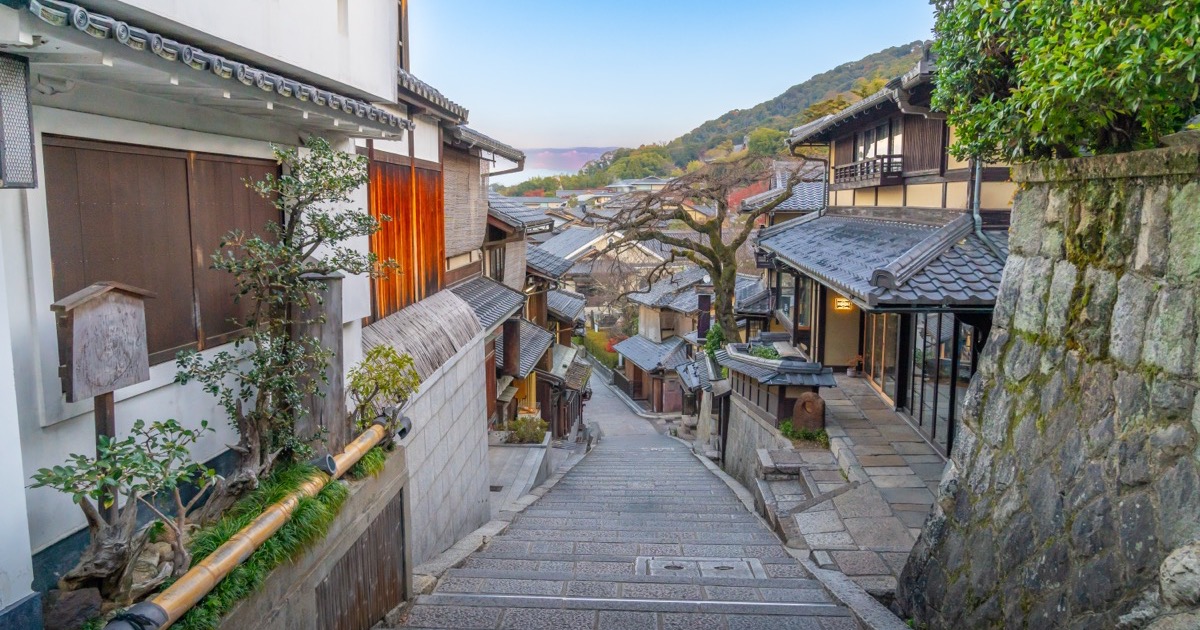
This is the shape we return to most often, because it balances the two things that fight each other on a first trip: seeing enough, and actually being there while you see it.
| Days | Where | What it's for |
|---|---|---|
| 1–3 | Tokyo | Arrive, adjust, one district a day, eat extremely well |
| 4 | Hakone | Onsen, ryokan, Fuji across the lake if the sky allows |
| 5 | → Kyoto | Shinkansen west; arrive for dusk in Gion |
| 6–8 | Kyoto | Temples at opening, gardens at midday, Nara as a day trip |
| 9–10 | Osaka | Eat, sleep, fly home from Kansai without backtracking |
Notice what this itinerary does not do: it never moves you two days running. Every transfer is followed by at least one full day in one place. That single rule is the difference between a holiday and a relay race.
The stops
What each stop is actually for
At a glance
Tokyo the present, Fuji & Hakone the landscape, Kyoto the memory, Nara the older capital, Osaka the appetite, Hiroshima the reckoning.
Tokyo
3 nights · The present tense
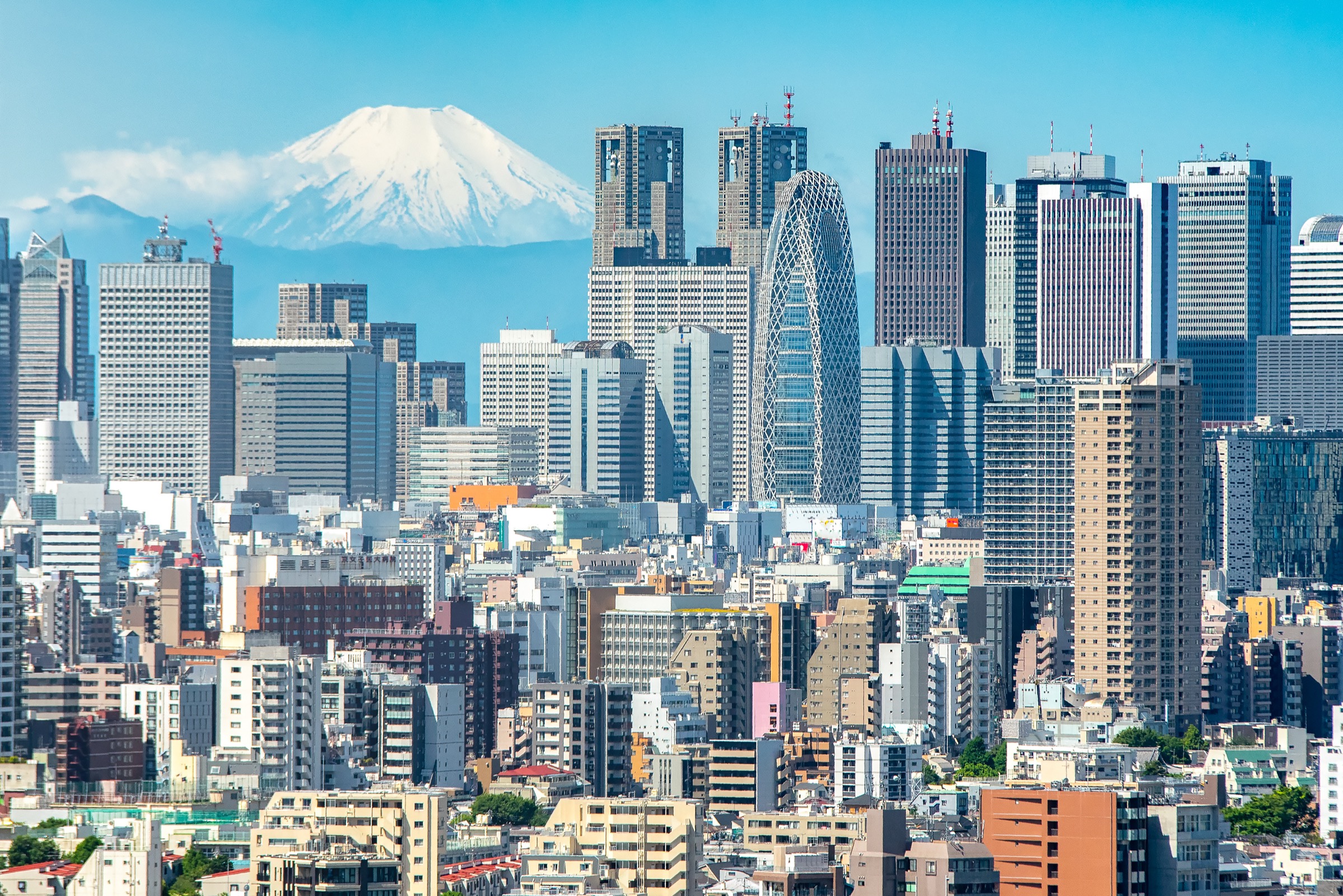
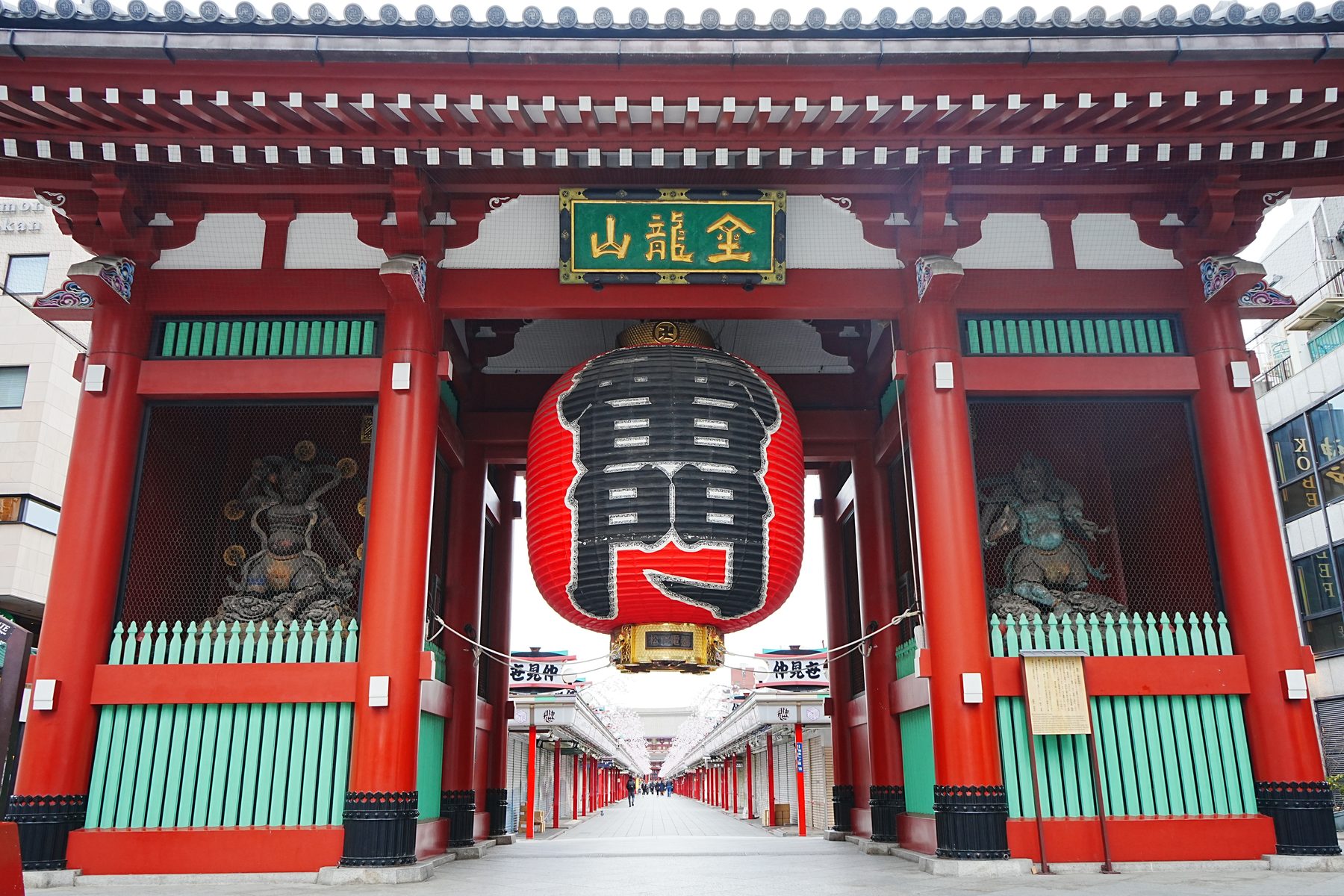
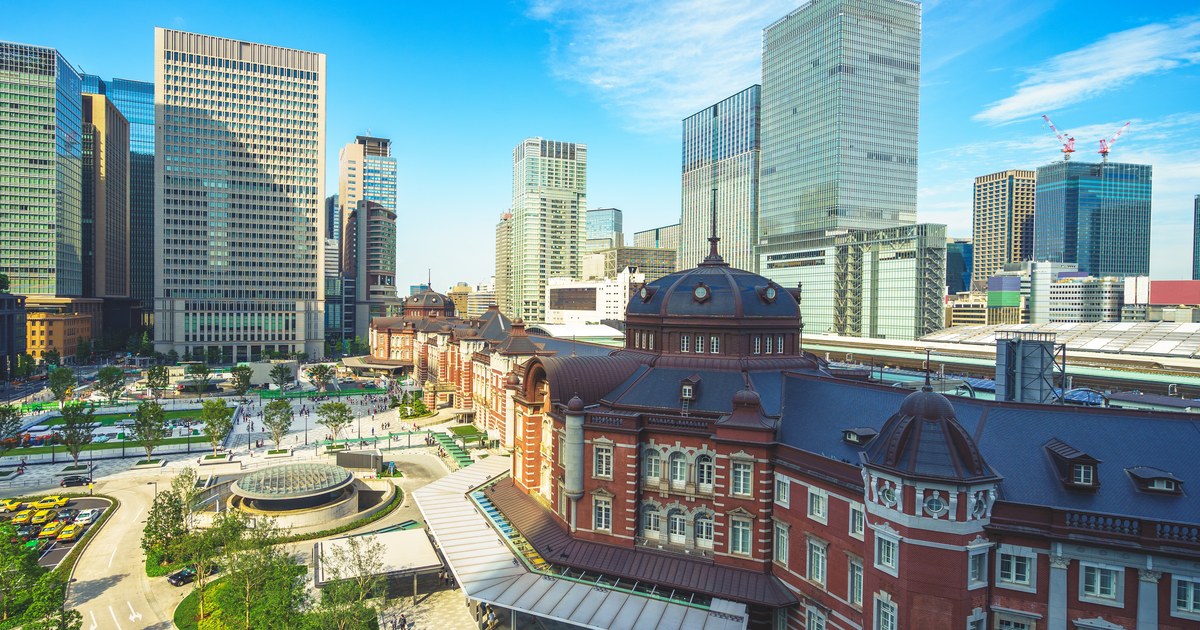
Start here. Three nights lets you land, sleep off the flight, and take the city one district a day — Shibuya and Harajuku, Asakusa and the old east, an evening somewhere small and superb. It is a city of villages stitched together by trains, and it rewards depth over sprinting.
Hakone & Mt. Fuji
1–2 nights · The landscape
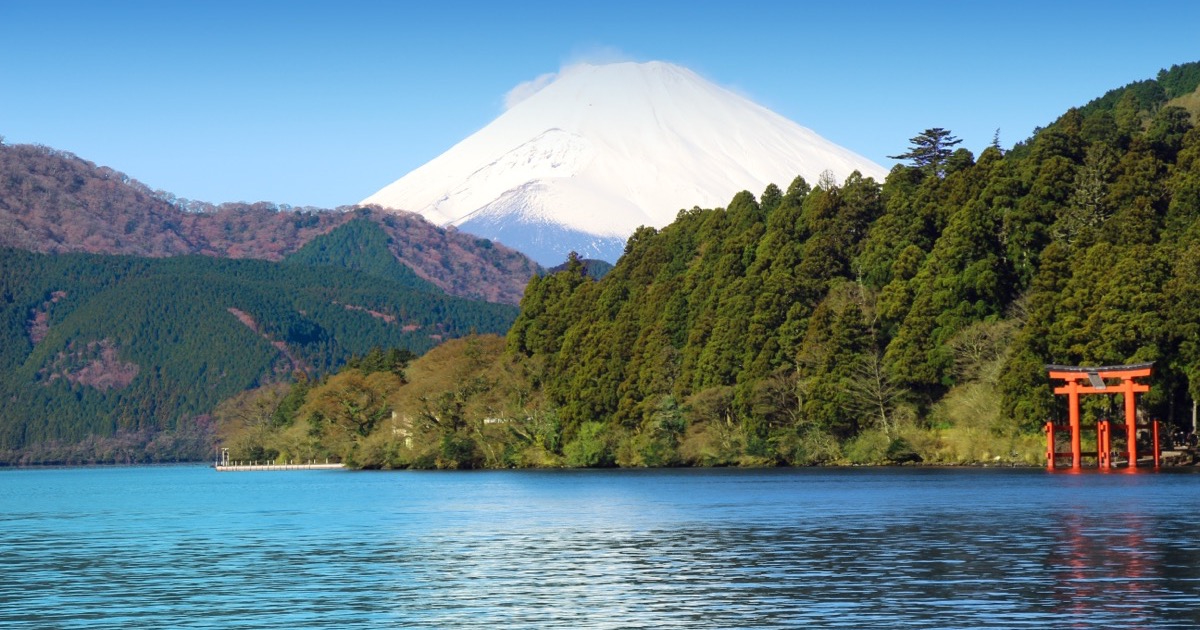
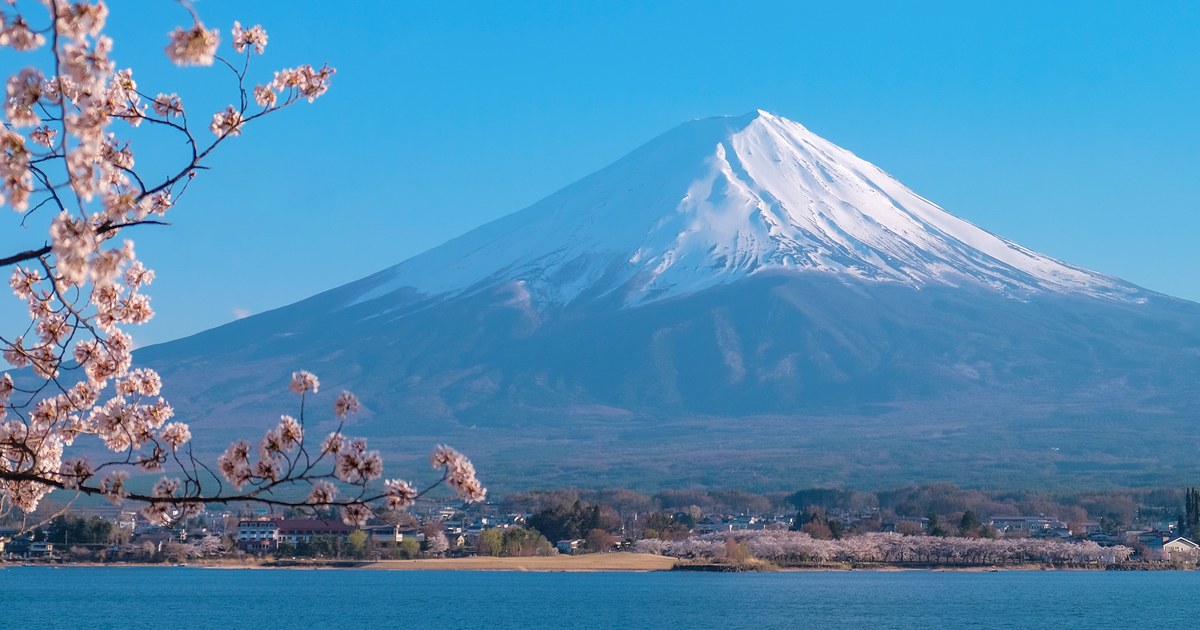
The break in the middle: a ryokan, an open-air bath, kaiseki served in your room, and — if the weather is kind — the mountain across Lake Ashi at dawn. Give it a night rather than a day trip. Fuji hides more often than the photographs suggest, and a night doubles your chances.
Kyoto
3 nights · The long memory
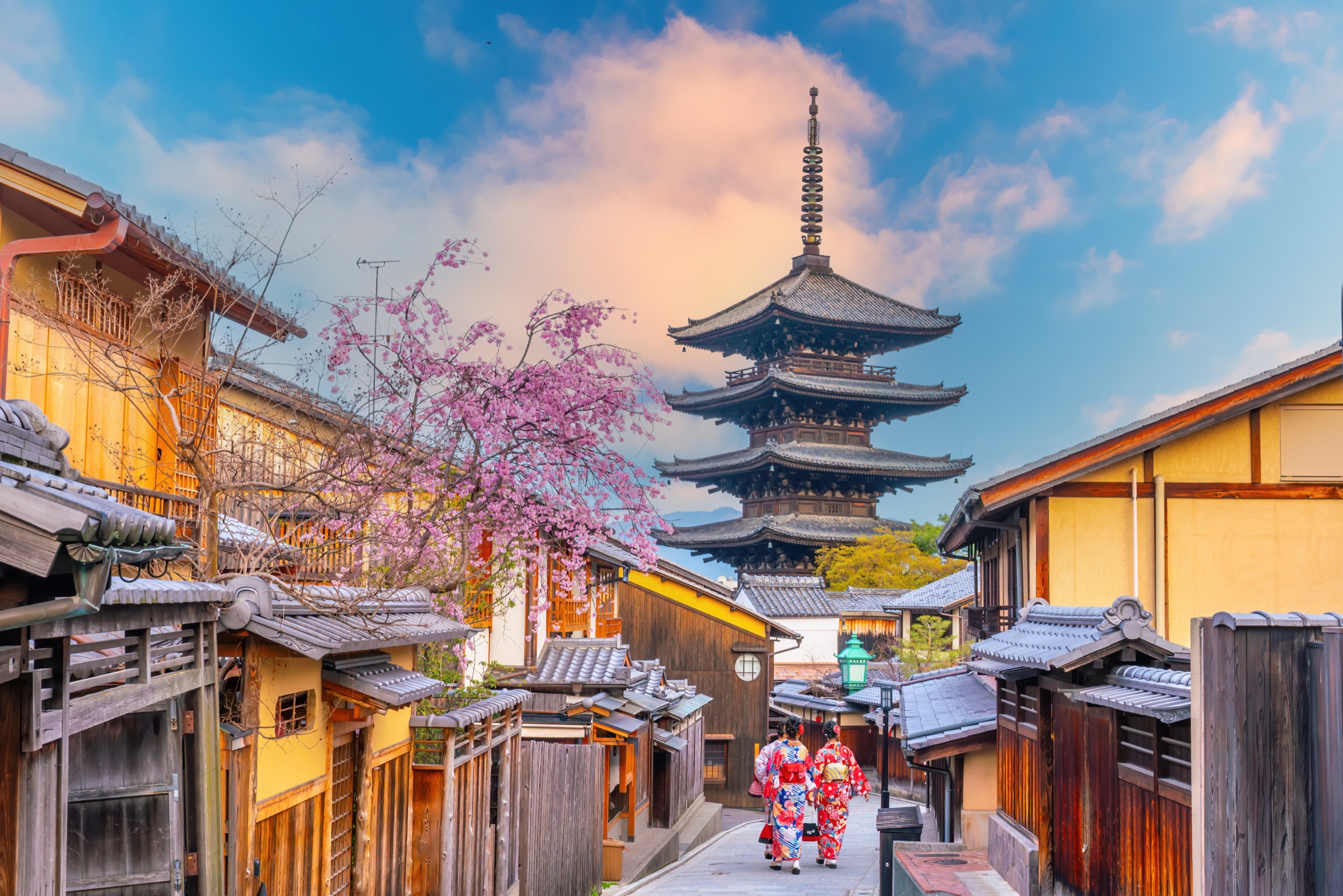
A thousand years of capital, and the emotional center of most first trips. Three nights is the minimum that lets you see the great temples at the hours they are beautiful rather than the hours the coaches arrive. Nara is a half-day from here and worth taking.
Osaka
1–2 nights · The appetite
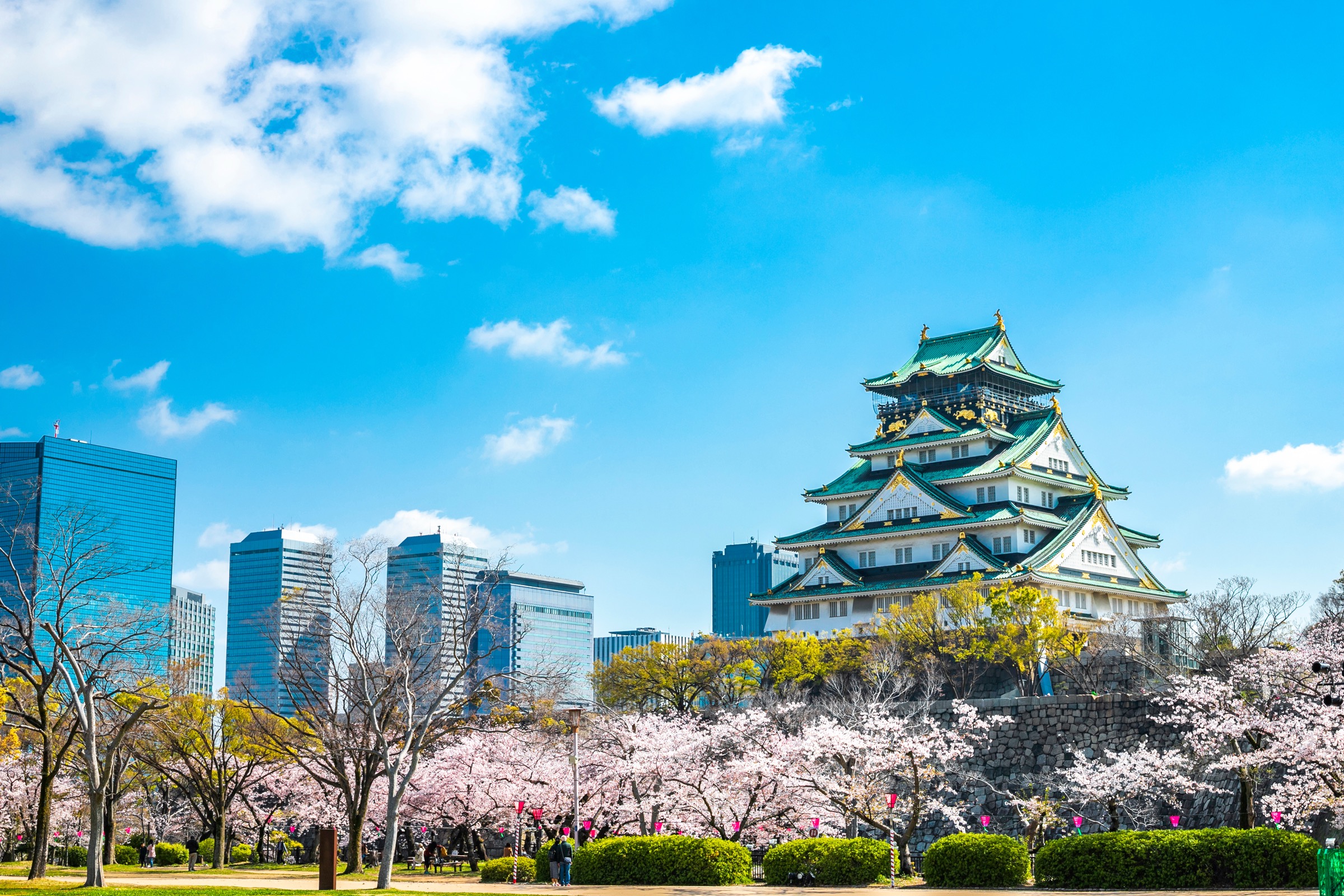
End here. It is thirty minutes from Kyoto, it is where Japan goes to eat, and it puts you next to Kansai airport for the flight home. After a week of temples, a night in the noise of Dotonbori is exactly the right last chapter.
Hiroshima & Miyajima
+2 nights · The reckoning
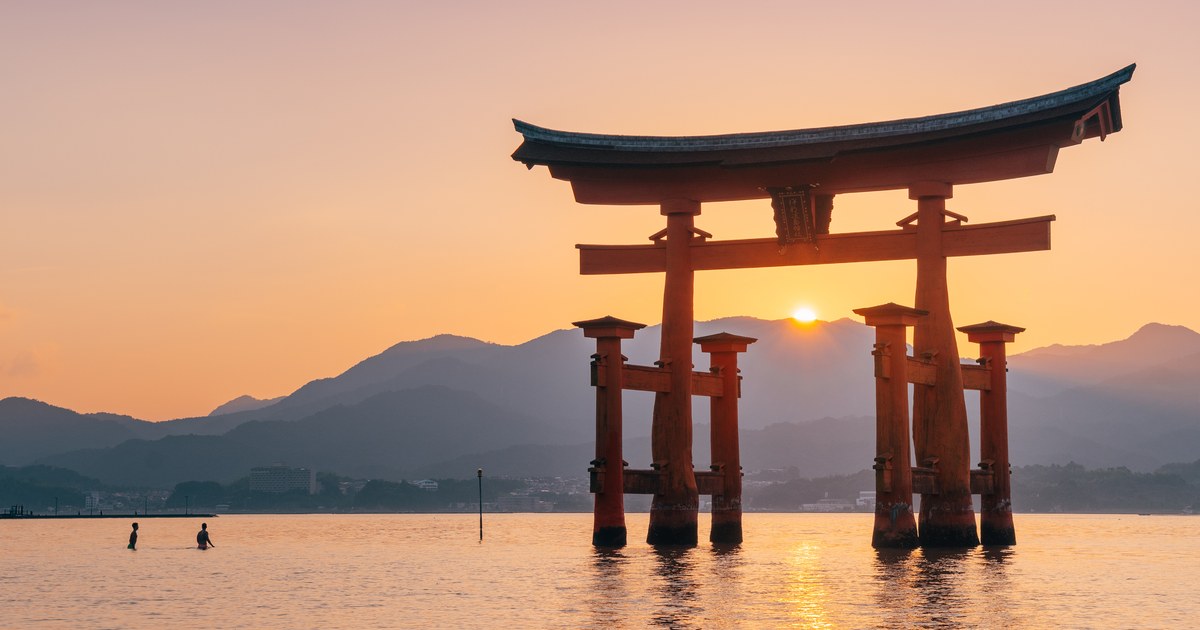
For fourteen-day trips. The Peace Memorial is difficult and important, and Miyajima's great torii standing in the sea at high tide is one of the most beautiful sights in the country. Together they make a coda unlike anything else on the route.
Direction
Tokyo first, or Kyoto first?
At a glance
Tokyo first, moving west — fly into Tokyo (Haneda or Narita) and out of Osaka (Kansai). You never backtrack, and jet lag lands on the city best equipped to absorb it.
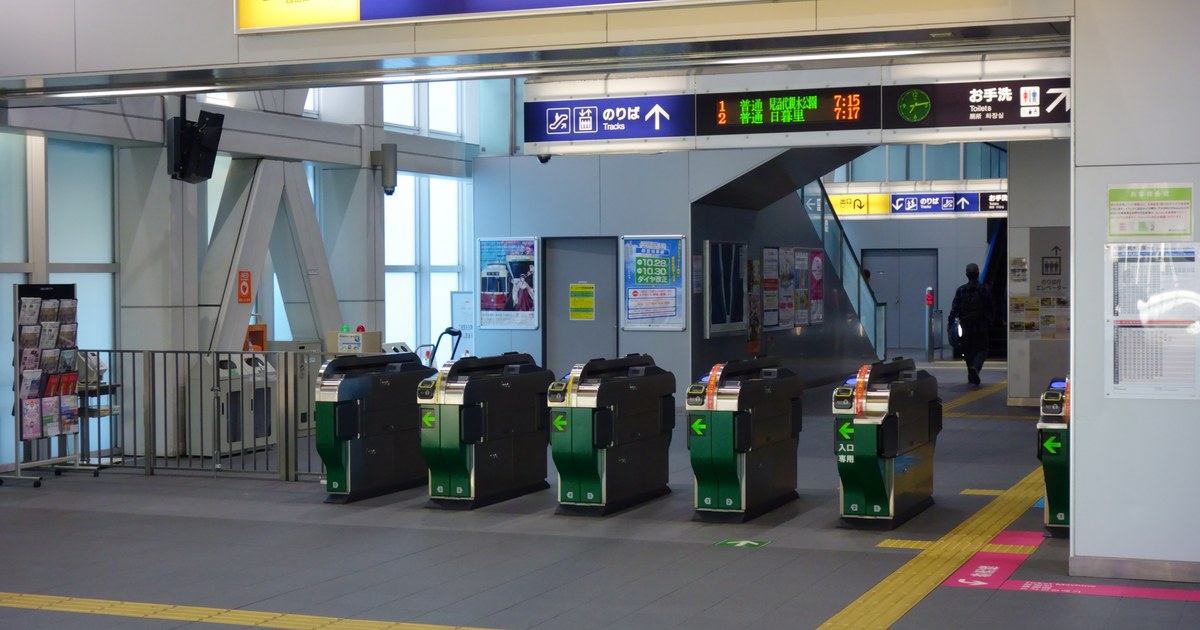
Running the route east to west is the standard advice and it is right for two reasons. The first is geometric: an open-jaw flight — in to Tokyo, out of Osaka — costs little more than a round trip and saves you an entire day of retracing the line. Airlines price this routinely; travelers just rarely ask.
The second is human. Jet lag is at its worst for the first two days, and Tokyo is the best possible place to be mildly useless — the city runs on convenience stores and late food, and nothing you miss on day one is irreplaceable. Arriving jet-lagged into Kyoto and burning your first two mornings, the ones when the temples are empty, is a genuine waste.
Honest advice
The mistakes first-timers make
At a glance
Too many cities. Then: doing the famous sights at midday, treating Osaka as a bed, planning every hour, and assuming the best places can be booked from abroad. All fixable — and all common.
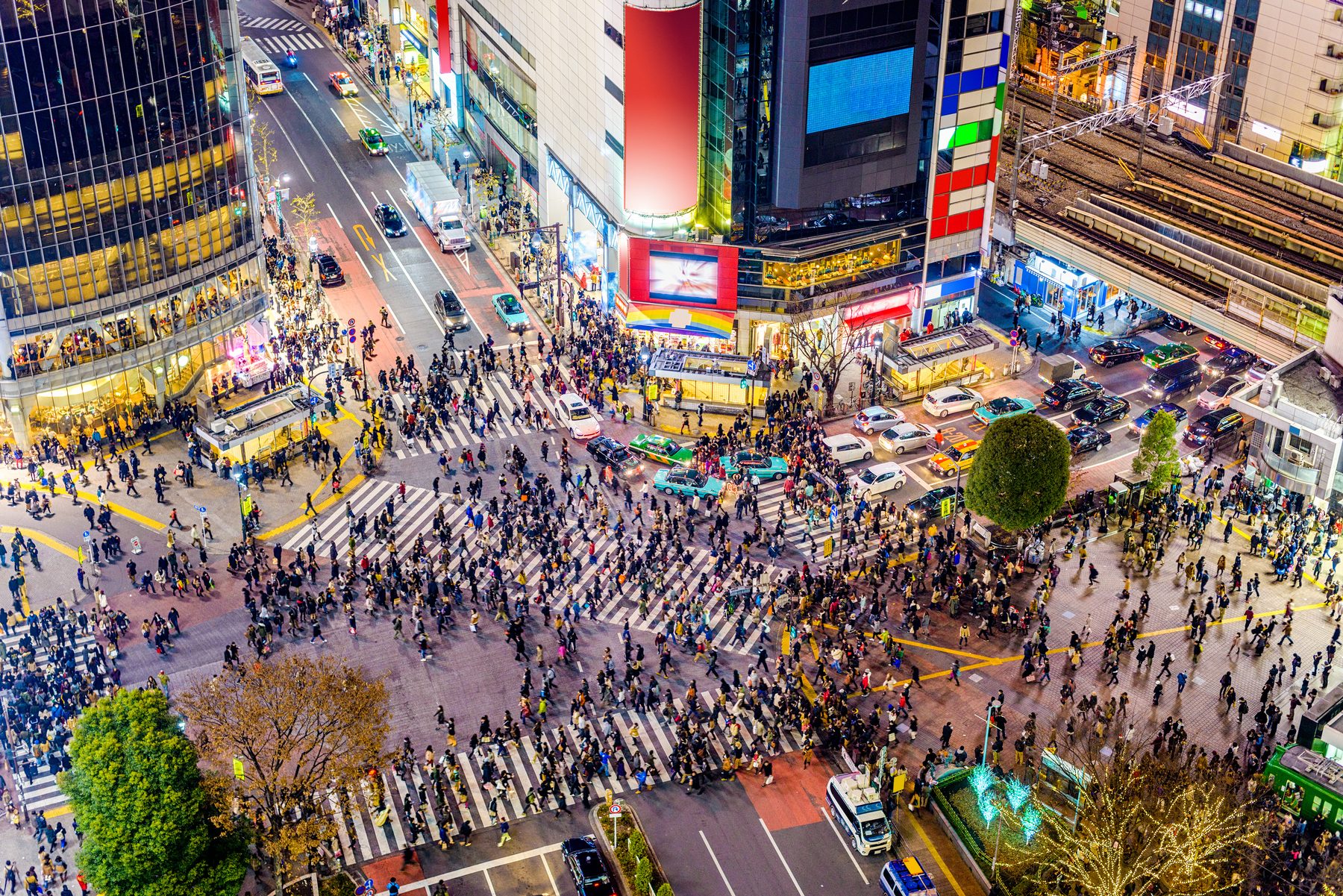
One: fitting in one more city. This is the big one, and it comes from a good instinct — you may never be back, so see everything. But every added city costs a travel day, and the trip quietly becomes a schedule. The travelers who come home happiest almost always cut something.
Two: seeing the famous places at eleven in the morning. Kiyomizu at opening and Kiyomizu at midday are two different experiences, and only one of them is the one you flew here for. The icons are crowded by the hour, not by the place.
Three: treating Osaka as somewhere to sleep.It draws more foreign visitors than any Japanese city but Tokyo, and it is the best eating in the country. One good evening changes people's whole impression of it.
Four: planning every hour. Japan rewards drift — the lane you turn down, the shop with no English sign. Leave your evenings loose.
Five: assuming you can book the good things from home. The counters that seat eight, the ryokan with four rooms, the workshop that opens for two people — most do not take reservations from strangers abroad, in any language. That is not gatekeeping so much as how small places survive. It is also the honest reason a fixer earns their fee here.
Practical
Trains, the Shinkansen and the JR Pass
At a glance
The Shinkansen is the route's spine: Tokyo–Kyoto in a little over two hours. The JR Pass, for this route, is usually the wrong buy — the classic itinerary costs roughly ¥20,000 in tickets against ¥50,000 for a 7-day pass. And the pass does not cover the Nozomi.
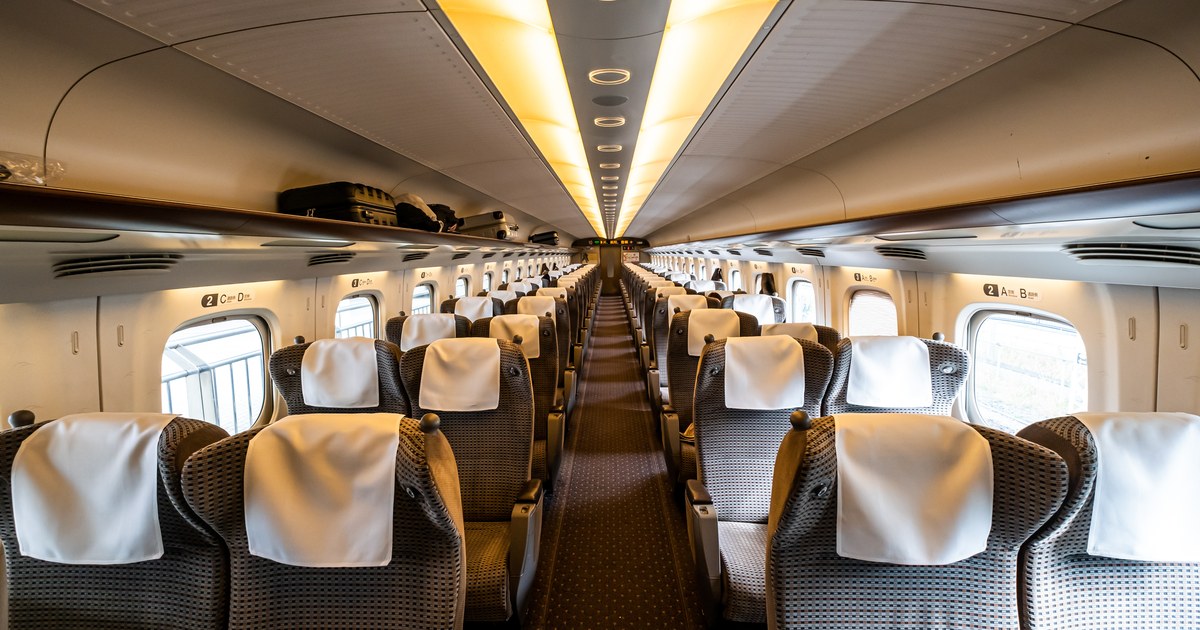
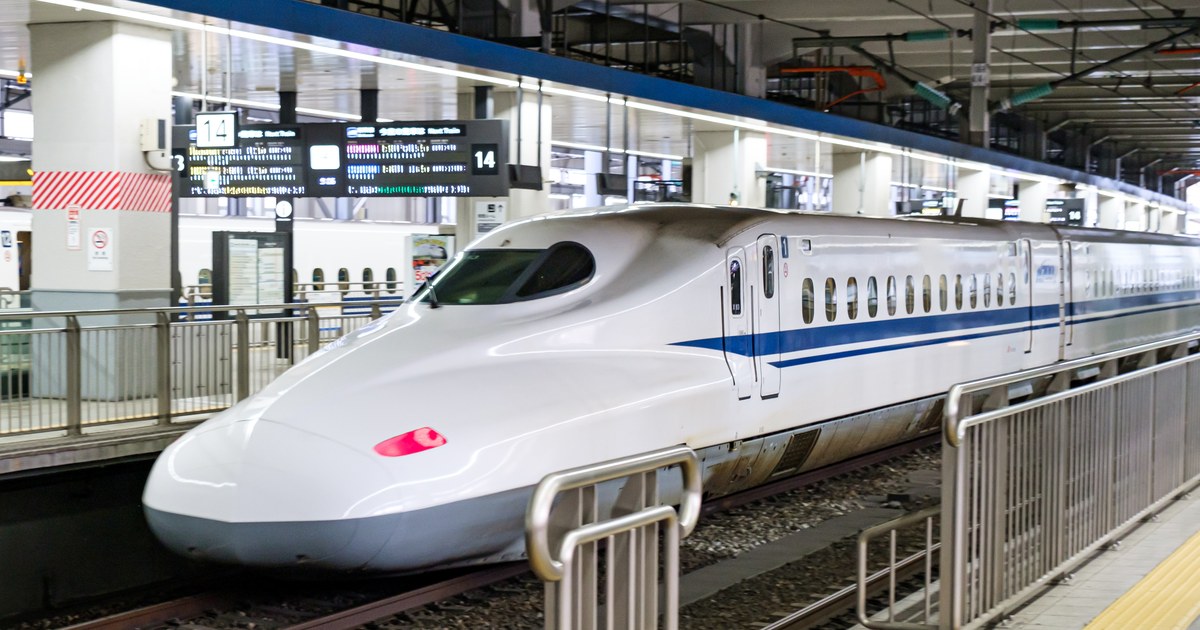
Japanese trains deserve their reputation: frequent, spotless, and punctual to a degree that is genuinely disorienting at first. The Shinkansen makes the whole Golden Route possible — you can leave Tokyo after breakfast and be walking in Kyoto before lunch, with a bento and Fuji out of the right-hand window on the way.
The JR Pass, though, is where we part company with most of the internet. The advice to “always buy the pass” is a hangover from before the 2023 price rise, and the arithmetic no longer supports it on this route. Run the itinerary above and your trains come to something like ¥20,000 a head. A 7-day Ordinary pass is ¥50,000. Even a Tokyo–Hiroshima return, far more track than this trip involves, doesn't reach the break-even. The pass is excellent value if you are criss-crossing the country every second day. It is poor value for three cities and three long trains.
The second thing nobody mentions: the pass does not cover the Nozomi or Mizuho — the fastest trains on the line you will be riding. Pass holders take the Hikari instead (perfectly good, a little slower) or pay a supplement of around ¥4,960 Tokyo to Kyoto. So the pass is not only more expensive here; it is also slower unless you top it up.
| Reserved seat, one way | Hikari (pass covers) | Nozomi (pass does not) |
|---|---|---|
| Tokyo → Kyoto | ¥13,850 | ¥14,170 |
| Tokyo → Shin-Osaka | ¥14,400 | ¥14,720 |
| 7-day JR Pass | ¥50,000 (child 6–11: ¥25,000) | |
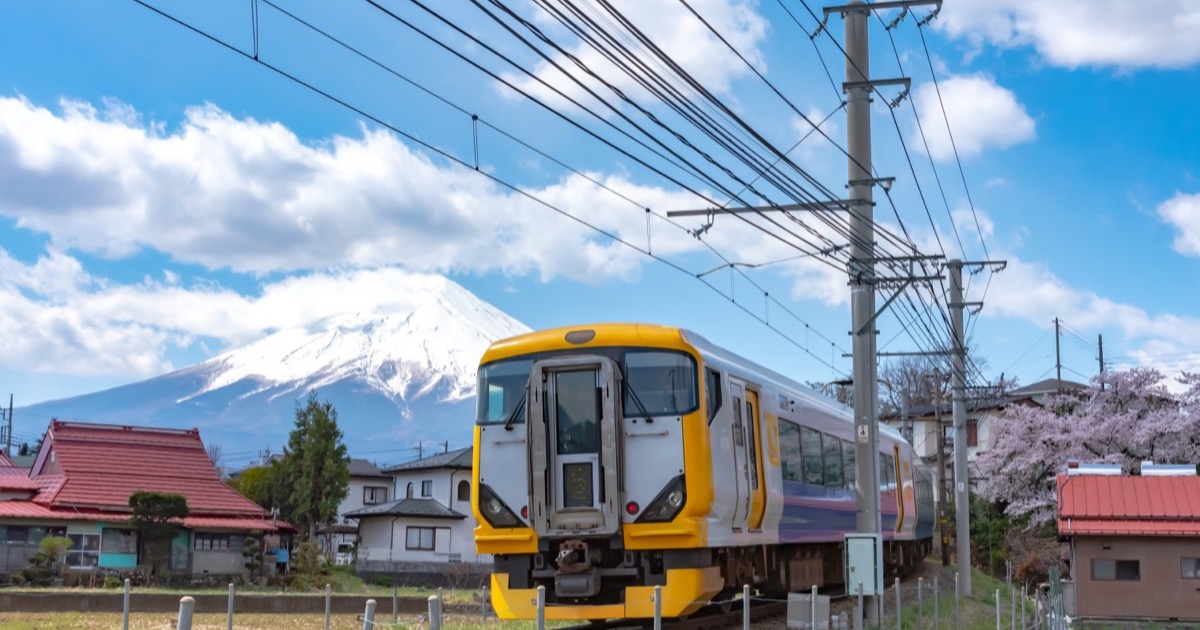
If you are buying a pass anyway, here is a detail almost nobody has reported. From 1 October 2026 the price rises about six percent — but only for passes bought through overseas agents (the 7-day Ordinary from ¥50,000 to ¥53,000). JR has explicitly frozen the price on its own online booking service for a limited period, to push people to buy direct. So from October, the same pass is ¥3,000 cheaper bought online than through an agent — for doing nothing but clicking a different link. The freeze is temporary and JR will announce when it ends. Prices as of July 2026; check the official site for your dates.
And one rule that catches almost every Western visitor, because our suitcases are bigger than Japan's. On the Tokaido and Sanyo Shinkansen — the line this whole route runs down — any bag whose height, width and depth add up to more than 160cm counts as oversized, and needs a free advance reservation of a seat with baggage space. Turn up without one and you pay ¥1,000. Over 250cm and it cannot come aboard at all. A large check-in case clears 160cm easily; a pram or sports kit is exempt. The reservation costs nothing — it is purely a matter of knowing.
A pass that costs more than the tickets and won't carry you on the fast train; a suitcase that quietly costs ¥1,000; a calendar that decides whether you get a seat at all. None of it is hard — but all of it has to be known in advance, which is exactly what we're for. Start a conversation →
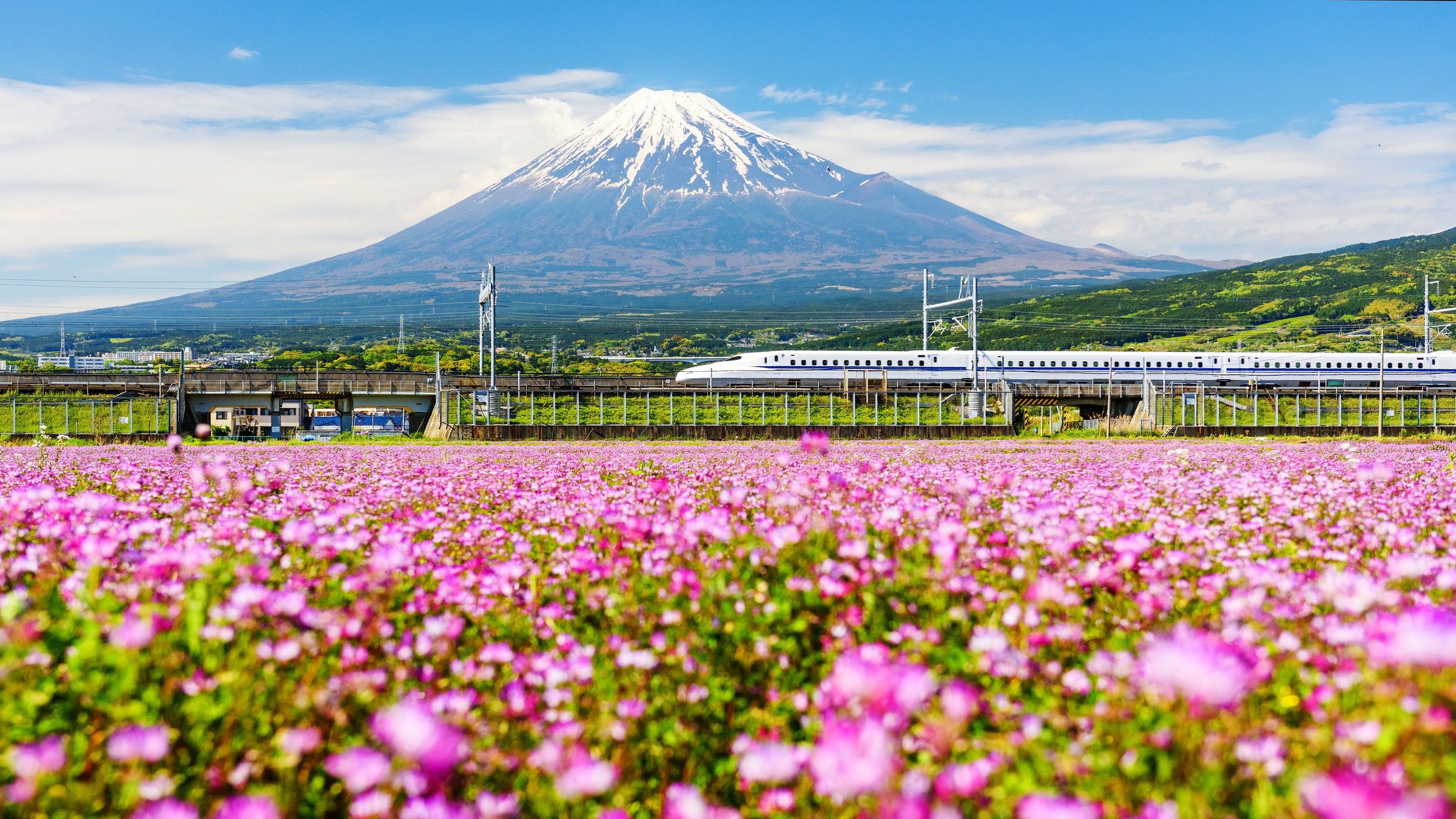
Sit on the right-hand side traveling from Tokyo to Kyoto — that is the Fuji side. On a clear day, roughly forty minutes out of Tokyo, the whole carriage turns to look.
Timing
When to go
At a glance
Late March–April (blossom) and October–November (autumn) are the most beautiful and the most crowded and expensive. May–early June is the quiet sweet spot. Winter gives the clearest Fuji and the emptiest temples.
Everyone wants the cherry blossom, and it deserves the fuss — but it is a two-week window that moves by a fortnight from year to year, and the entire country travels for it. If you go then, book everything far ahead and accept the crowds as part of the deal. Autumn is the same trade with maples instead.
The underrated answers are May and early June — green, mild, and calm before the rains — and deep winter, when the air is dry, Fuji is out and snow-capped, and you can sit alone in a Kyoto temple that would hold four hundred people in November. Neither is the postcard. Both are arguably the better trip.
There is a second calendar, though, that matters more than the seasons and almost never appears in a travel guide: the dates Japan itself travels. During Golden Week, Obon and the New Year, the entire country is on the move — inns fill, prices climb, and the Nozomi runs fully reserved with no non-reserved seats at all, so turning up at the platform and boarding is simply not an option. Land in the middle of one of these without knowing, and the trip you planned is not the trip you get.
| Avoid | Dates |
|---|---|
| Obon 2026 | 7–16 August (the peak is 13–16; the trains tighten a week early) |
| Silver Week 2026 | 18–23 September |
| New Year 2026–27 | 25 December – 5 January |
| Golden Week 2027 | 29 April – 5 May |
These windows are re-announced each year and were widened for 2026 — so treat the table as the shape of the problem rather than gospel, and check your own dates. If your calendar is fixed and lands inside one of them, it is not fatal: it simply means everything has to be reserved a long way out, which is the one thing you cannot improvise from abroad.
The difference
What a private guide adds
The route above, you could book yourself. What is harder to arrange from abroad is the shape of it — the hours you arrive at each place, the ryokan that holds its best room for people it knows, the counter with eight seats, and the willingness to change tomorrow because the sky over Fuji has cleared today.
That is the part we handle: the planning, the doors, the quiet logistics. On your first trip to Japan, you should be looking out of the window — not at a timetable.
Plan your first trip to Japan →Questions, answered
What is the Golden Route in Japan?+
The Golden Route is the classic first-time itinerary running from Tokyo, through Hakone and Mt. Fuji, to Kyoto, Nara and Osaka — often continuing to Hiroshima and Miyajima. It links the country's most famous places along the Shinkansen line and typically takes seven to fourteen days.
How long do you need for the Golden Route?+
Ten days is the comfortable minimum for the full route without rushing. Seven days covers Tokyo, Fuji or Hakone, and Kyoto properly. Fourteen days lets you add Hiroshima, Nara and a slower pace — and is the version most travelers wish they had booked.
Should you start in Tokyo or Osaka?+
Most people fly into Tokyo and out of Osaka, running the route west — it means you never backtrack, and you finish near Kansai airport. Flying open-jaw (into one city, out of the other) costs little more and saves a full day of travel over a round trip.
Is the Golden Route worth doing, or is it too touristy?+
It is worth doing. These places are famous because they are genuinely extraordinary, and skipping them on a first trip to seem sophisticated is a mistake you only get to make once. The real question is not whether to see them, but how — and at what hour of the day.
What is the biggest mistake first-time visitors make in Japan?+
Trying to fit too much in. The classic first itinerary has six cities in nine days, and it turns a holiday into a logistics exercise — the days become train stations and hotel check-ins. Cutting one city almost always makes the trip better.
Do you need a Japan Rail Pass for the Golden Route?+
Almost certainly not. Run the classic route once — Tokyo, Hakone, Kyoto, Osaka — and you will buy roughly ¥20,000 of train tickets, against ¥50,000 for a 7-day pass (prices as of July 2026). The pass also does not cover the Nozomi, the fastest train on this line: pass holders ride the slower Hikari, or pay a supplement. The pass earns its keep on wide, fast-moving loops, not on the Golden Route.
Does the Japan Rail Pass cover the Nozomi Shinkansen?+
No — and this catches people out. The Nozomi and Mizuho, the fastest services on the Tokaido and Sanyo lines, are excluded. Pass holders either take the Hikari or Kodama (slower, still frequent, no extra charge) or pay a supplement — around ¥4,960 for Tokyo to Kyoto as of July 2026. Budget the time or the money, but know before you board.
Is Japan easy to travel for first-timers who don't speak Japanese?+
Easier than most people expect. Signage and station names are in English, trains are precise, and the country is exceptionally safe. What language does close off is the smaller half of Japan — the counter with no menu, the inn with no website, the workshop that doesn't take strangers.
When is the best time to do the Golden Route?+
Late March to April for cherry blossom and October to November for autumn color are the most beautiful — and the busiest and priciest. May and early June are green, mild and far calmer. Winter offers clear Fuji views and the quietest temples of the year.
Continue exploring
Japan changes its prices and its rules more often than most countries, and a good deal of what is written about it online is quietly out of date. The fares, fees, taxes and access rules on this page were checked against the official sources below in July 2026. Where something was likely to move, we have said so in the text. If you are traveling on dates far from that, check the official page — or ask us — rather than trusting any guide, including this one.
Checked against