
Travel Guide · Family
Japan with the Family:
A 10-Day Itinerary
Ten days that work with children — day by day, what to cut, and what changes by age.
Japan is one of the great family destinations, and almost nobody plans it like one. Parents build the itinerary they would want — six cities, twelve temples, a kaiseki dinner — then wonder on day four why everyone is crying in a train station. The country is not the problem. Japan is extraordinarily safe, the trains are pushchair-friendly enough, the food is a hit, and strangers are kind to children in a way that genuinely surprises Western parents.
The problem is arithmetic. A family day holds about two-thirds of what an adult day holds, and every itinerary that ignores that fact fails in the same place. This is a ten-day plan built the other way round — from what children can actually absorb — with the honest notes on what changes at four, at eight, and at fifteen. We plan these trips for the families we host, so this is what we'd tell a friend.
At a glance
Ten days, covering what a couple would do in seven: Tokyo 4 → Hakone 1 → Kyoto 3 → Osaka 2. Keep mornings for the sights and give afternoons back. Book rooms that fit four (the real friction point in Japan). And cut the fifth temple — nobody has ever regretted it.
The case
Why Japan works so well with children
At a glance
Exceptionally safe, spotlessly clean, endlessly strange in the best way, and full of food children want to eat. The culture is warm toward children, and the country is built for walking rather than driving.

The first thing parents notice is the safety. Children walk to school alone here from the age of six or seven; there is essentially no petty crime; a dropped wallet is handed in. The mental load that travel with children normally carries — the constant low-grade vigilance — simply lifts. Several parents have described that to us as the actual holiday.
The second is that Japan is genuinely fascinating to a child. Vending machines that dispense hot corn soup. Trains shaped like bullets, on time to the second. Robots, arcades, sumo, castles, deer that bow, a hundred flavors of everything. A ten-year-old does not care that Kinkaku-ji is a UNESCO site — but they will care about the carp in the pond, the fortune slips, and the fact that lunch came out of a machine.
Planning
How many days do you need with children?
At a glance
Ten days — and plan roughly 25–30% less per daythan you would as adults. A family's ten days should cover what a couple would do in seven. Seven days with children is where the tears live.
The temptation is to keep the adult itinerary and add resilience. It does not work. The constraint is not what there is to see — it is how much a day can hold before the youngest person in the group has had enough, and that number is lower than you want it to be.
The practical translation: take your list, remove a third, and give those hours back as unstructured time. Ten days built that way delivers more actual memories than fourteen days marched. If you want the general arithmetic behind this, our guide to how many days you need in Japan works through the travel-day tax that catches everyone.
The plan
A 10-day family itinerary, day by day
At a glance
Tokyo 4 → Hakone 1 → Kyoto 3 → Osaka 2. Fly into Tokyo, out of Osaka. Three moves in ten days, one sight per morning, and a pool or a park most afternoons.
Notice the shape before the detail: only three transfers, four nights in the first city to beat the jet lag, and Osaka at the end — the city where everyone relaxes and nobody has to whisper.
| Day | Where | The day |
|---|---|---|
| 1 | Tokyo | Arrive. Do nothing. A park, a convenience store, an early night. |
| 2 | Tokyo | Asakusa temple in the morning, river boat, evening in Shibuya's lights |
| 3 | Tokyo | teamLab or the aquarium, Harajuku crêpes, arcade in Akihabara |
| 4 | Tokyo | A free day — pool, park, or whatever they loved enough to repeat |
| 5 | → Hakone | Ropeway, pirate boat on the lake, ryokan with a family bath |
| 6 | → Kyoto | Shinkansen (the highlight of the week for most under-tens) |
| 7 | Kyoto | Fushimi Inari early (it's a maze — children love it), afternoon off |
| 8 | Nara day trip | The deer, the Great Buddha, and no more temples that day |
| 9 | → Osaka | Aquarium or Universal, Dotonbori street food at night |
| 10 | Osaka | Castle park, last takoyaki, fly home from Kansai |
Day 4 is the most important day on this list, and it is the one every parent wants to delete. Don't. The free day is what makes days 5 to 10 possible.
For a sense of how this feels in practice rather than on a table, our story of a California family's seven days in Japan follows a real trip, children and all.
By age
What changes by age
At a glance
Under 5: a trip about naps — beautiful, slow, fewer cities. 6–12: the sweet spot, everything lands. Teenagers: Tokyo speaks their language and they may love it more than you.
Toddlers & under-fives
Slow · Two cities · Naps
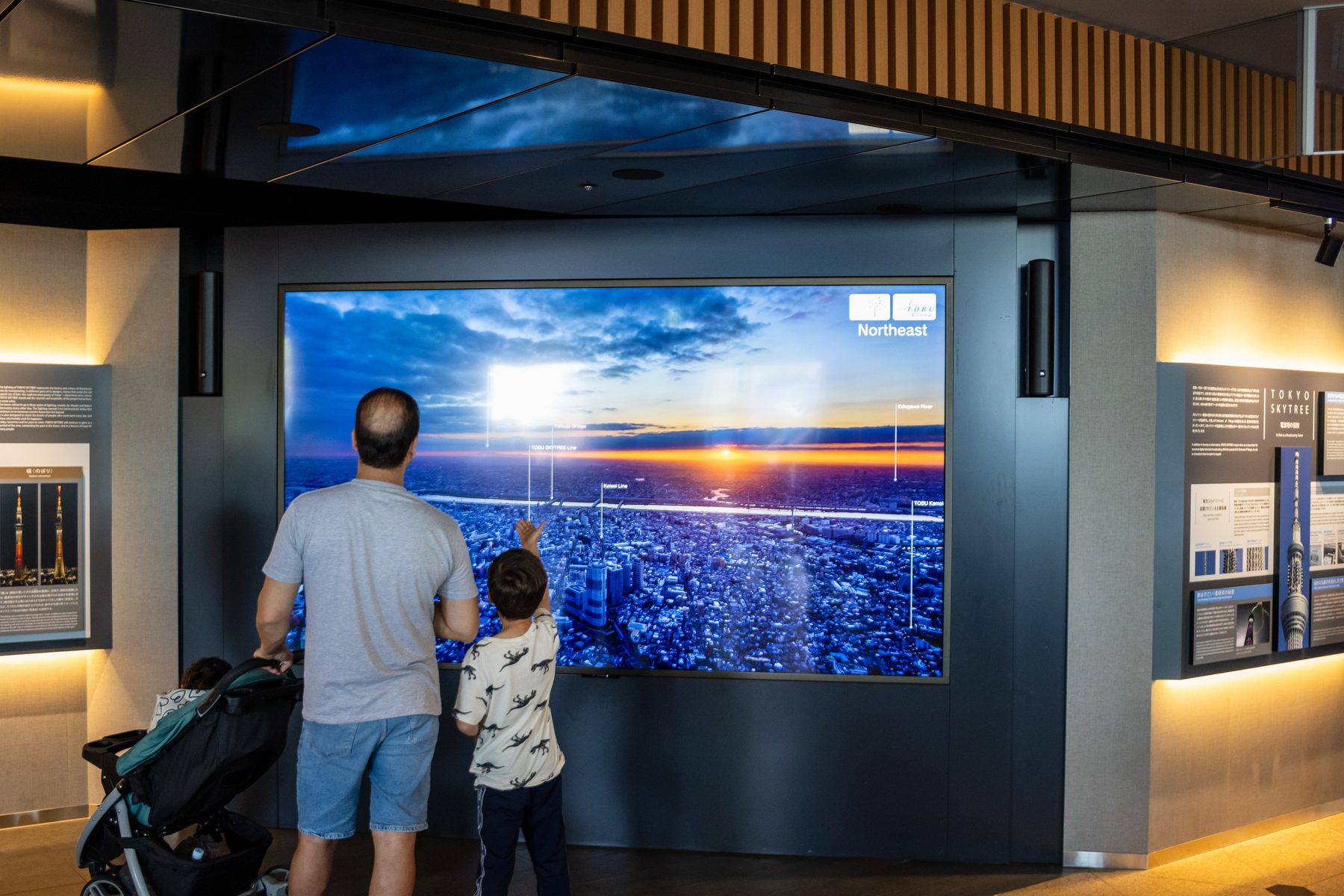
Entirely doable, and it is a different trip. Cut to two cities, take the ground-floor room, plan around the nap rather than the temple. Japan helps: baby-changing everywhere, hot water in every convenience store, and a culture that will not glare at you when a toddler is a toddler. But be honest that the trip is now about the family being somewhere together, not about seeing Japan comprehensively.
Six to twelve
The sweet spot

This is the age Japan was made for. Old enough to walk a full day and remember it, young enough that the vending machines are genuinely magic. They will love the Shinkansen, the arcades, the deer, the fortune slips, the food that arrives on a little train. And they will surprise you at a temple — children are often better at stillness than their parents expect, for about twenty-five minutes.
Teenagers
Tokyo · Autonomy · Their trip

Teenagers frequently get the most out of Japan of anyone, because so much of the country's modern culture is already in their phones. Harajuku, Akihabara, Shibuya, the fashion, the food, the games — this is a place they have seen and now get to stand in. Give them some autonomy: an afternoon in a district on their own is safe here in a way it would not be in most world cities, and it is often the memory they keep.
Where to sleep
Where to stay with a family
At a glance
The real friction: many Japanese hotel rooms hold two people, not four— and it is the property's licensed capacity, not a preference. Japanese-style rooms and ryokan handle families far better, as do international hotels. Book early and specifically.
This is the one place Japan is genuinely harder than home, and it catches families out constantly. A standard business-hotel room is licensed for two adults, and the occupancy is enforced. Turning up as a family of four with a booking for two is not a negotiation you will win, and the alternative is often two rooms on different floors. It helps to know how modest the legal minimum is: the national standard asks for 7㎡ per guest room, or 9㎡ if it has beds — a floor, not a promise, and it is why a room booked for two is genuinely a room for two.
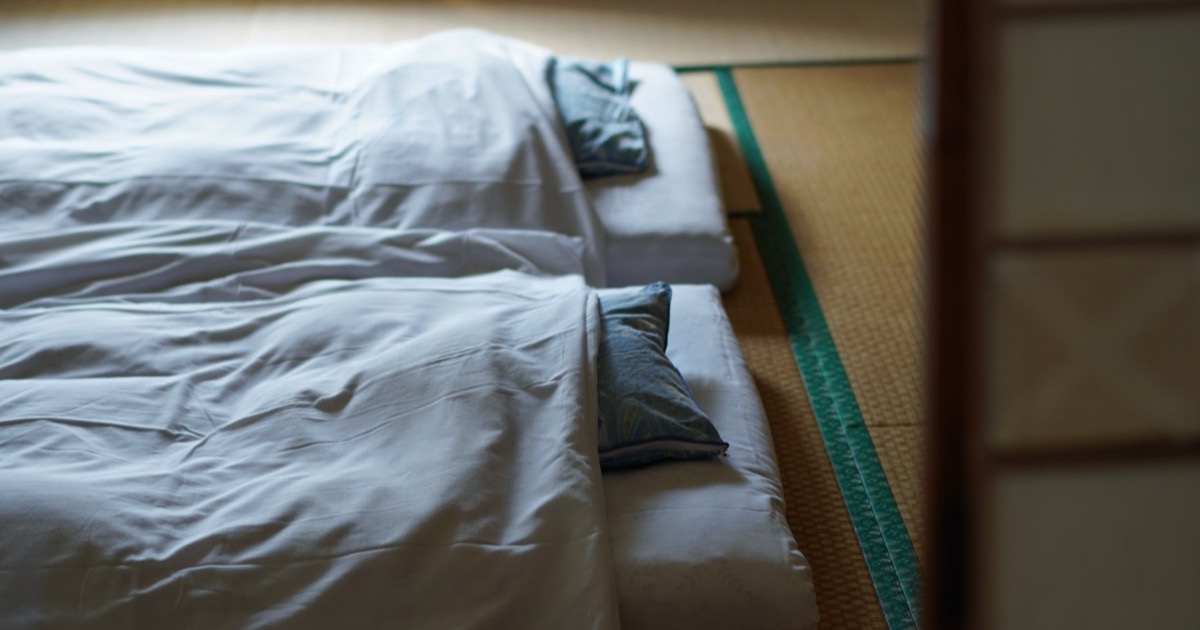
The answers are good, though. Japanese-style rooms — tatami, futons laid out at night — are designed for exactly this and will sleep four or five comfortably; a ryokan night with a family bath is frequently the highlight of the whole trip. The international chains in Tokyo and Osaka have proper family rooms. And serviced apartments solve the laundry problem at the same time.
Rooms that genuinely sleep four, the bags that move themselves, the car on the transfer day, the afternoon quietly rewritten when the eight-year-old is done. With a family, this is the whole ballgame — and it is all arrangeable, before you land. Start a conversation →
The table
Eating in Japan with children
At a glance
Easier than you fear. Rice, noodles, katsu, gyoza, tempura, grilled chicken and the whole convenience-store universe cover most children. Raw fish is optional. Osaka's street food is essentially designed for them.
The sushi anxiety is almost always misplaced. Japanese food is far broader than raw fish, and the everyday end of it is exactly what children like: fried, grilled, on a stick, or in a bowl. Katsu is a breaded cutlet. Gyoza is a dumpling. Yakitori is chicken on a skewer. Udon is a thick noodle in a mild broth. None of this requires bravery.
The convenience stores deserve their own paragraph. They are clean, cheap, open always, and stocked with rice balls, sandwiches, fruit and hot food that is genuinely good. On a family trip they are a lifeline — breakfast solved, the 4pm meltdown solved, the fussy eater solved.
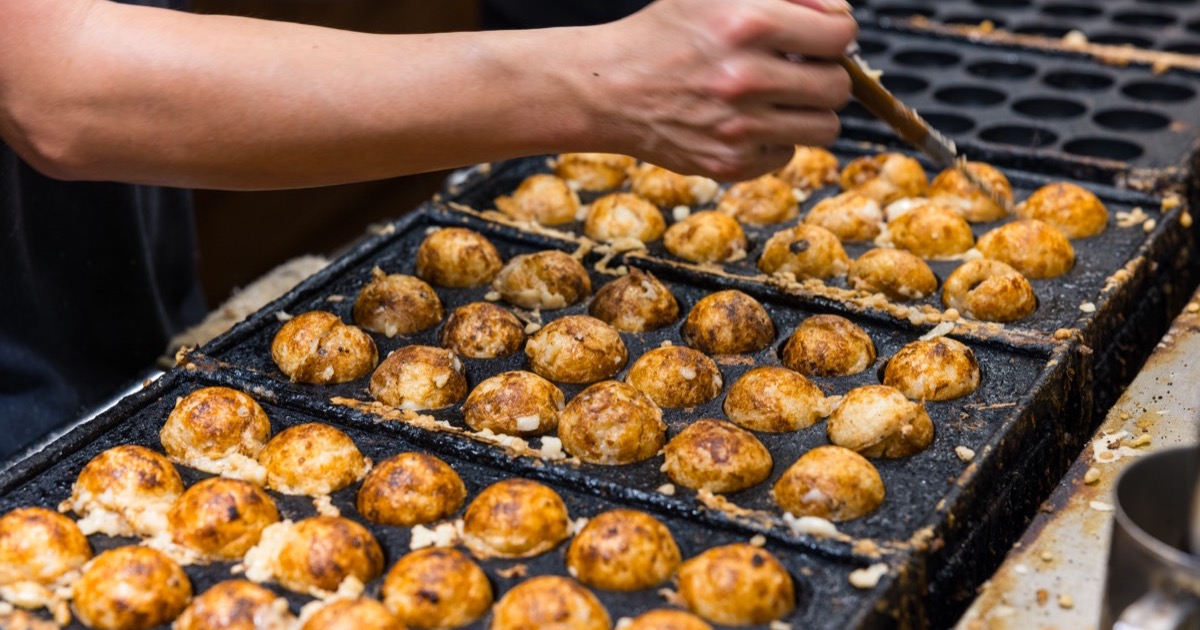
And then there is Osaka, where the entire local cuisine is street food designed to be eaten standing up with your hands. It is the meal children remember. Our Osaka guide goes into why the city is the family day of most itineraries.
Honest advice
What to skip
At a glance
The fifth temple. Also: the second city you were squeezing in, the long kaiseki dinner with a six-year-old, and any day that starts before eight for the sake of a photograph.
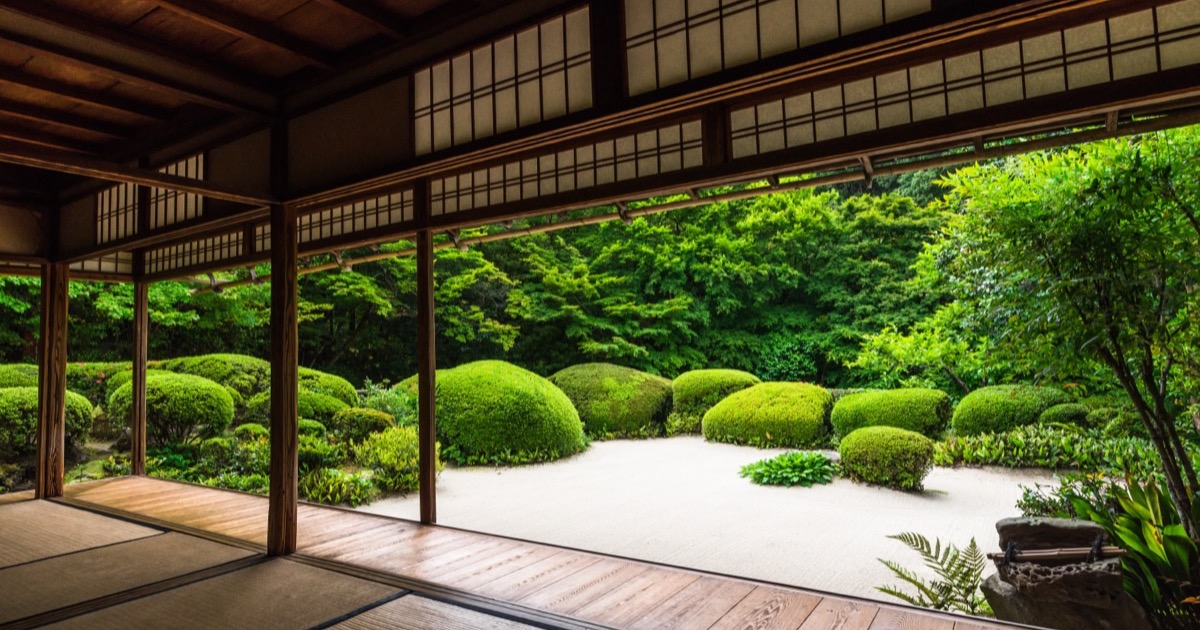
Children have a real and finite appetite for beautiful old buildings, and it runs out sooner than yours. Two or three great temples across a trip is plenty; the fourth is tolerated and the fifth is where a family holiday goes to die. Keep Fushimi Inari (it is a maze, which is different), keep Nara (the deer), keep one great hall — and let the rest go.
Skip the compressed extra city. Skip the two-hour tasting menu unless your children are the kind who would enjoy it, and be honest about that. And be careful with the dawn starts: they are the right answer for adults chasing empty temples, and the wrong one for a family that will pay for it at four in the afternoon.
The trade nobody tells you: cutting things is what makes the rest land. The families who come home saying it was the best trip of their lives are, almost without exception, the ones who did less.
Practical
Prams, trains, laundry and the rest
At a glance
Stations have lifts but they are a hike; rush hour with a pram is genuinely hard. Coin laundries are everywhere and cheap. Luggage can be forwarded between hotels overnight — the single best trick on a family trip.
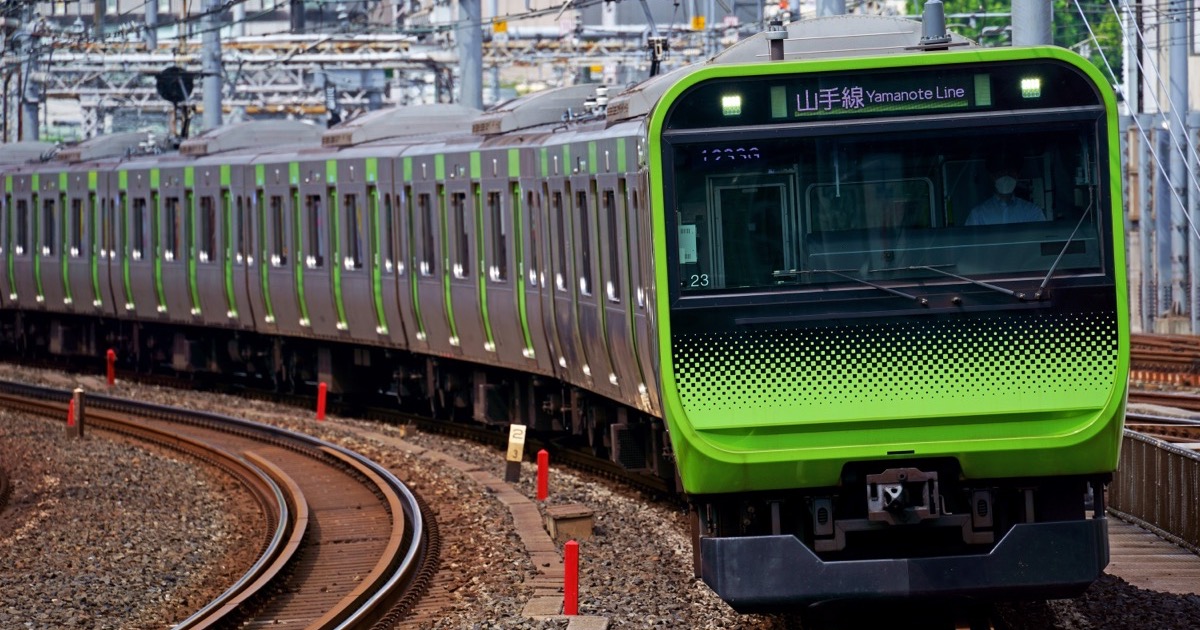
The luggage forwarding service is the thing we most wish families knew about. For a modest fee, your suitcases are collected at one hotel and appear at the next, usually the following day. You travel with a day bag. On a route with three moves and two children, this is transformative — the transfer days stop being an ordeal and become a train ride.
On prams: the cities are walkable and lifts exist, but the route to them is often long and the rush-hour trains are as tight as the videos suggest. Many families with toddlers carry rather than push in the cities. And coin laundries are on nearly every block, which means packing for four days rather than ten.
The one thing that changes a family transfer day more than anything else is a car and driver: bags in the boot, no platforms, no stairs, and a nap in the back seat instead of a meltdown on a concourse.
The difference
What a private guide adds
With a family, the value is not the commentary — it is the friction that disappears. The rooms that actually sleep four, booked before they go. The bags that move themselves. The car on the transfer day. The guide who reads that the eight-year-old is done and quietly changes the afternoon before anyone has to say it.
That is the part we handle. You get to be a parent on holiday rather than a tour manager.
Plan your family trip →Questions, answered
Is Japan good for families with children?+
Japan is one of the easiest countries in the world to travel with children — extraordinarily safe, spotlessly clean, endlessly interesting, and full of food children actually want to eat. What it punishes is over-scheduling: the country is not the problem, the itinerary usually is.
What is the best age to take children to Japan?+
Six and up is the sweet spot: old enough to walk a full day and remember it, young enough to find everything astonishing. Under five is entirely doable but becomes a trip about naps and prams. Teenagers arguably get the most of all — Tokyo speaks directly to them.
How many days do you need in Japan with kids?+
Ten days, covering roughly what a couple would do in seven. Children need downtime, and the days that work are the ones with a pool or a park in the middle. A compressed seven-day family trip is where most of the tears happen — on both sides.
Is Japan expensive for a family?+
Less than most first-time visitors expect. Trains, convenience-store breakfasts and casual restaurants are excellent value, and children are often free or heavily discounted on transport. The cost sits at the top end — a suite, a private guide, a fine ryokan — which you can choose or not.
Do Japanese hotels allow families in one room?+
This is the one genuine friction point. Many Japanese hotel rooms are built for two, and a family of four often cannot be booked into one room. The limit is not the hotel being difficult: every property is licensed under Japan's Hotel Business Act for a set number of guests per room, and the front desk genuinely cannot wave you through. It helps to know how small the legal floor is — the national standard asks for only 7㎡ per guest room, or 9㎡ if it has beds — which is why a standard twin can be exactly as tight as it looks. Japanese-style rooms and ryokan handle families far better, as do the international hotels — but it needs planning rather than assuming.
What should families skip in Japan?+
The fifth temple. Children have a finite appetite for beautiful old buildings, and it is smaller than yours. Keep two or three of the great ones, do them early, and give the rest of the day to a park, an aquarium, a market or a pool. Everyone has a better trip.
Is the food in Japan difficult for picky eaters?+
Rarely. Rice, noodles, grilled chicken, tempura, katsu, gyoza and the entire universe of convenience-store snacks cover most children comfortably, and Osaka's street food is essentially designed for them. Raw fish is optional and never compulsory.
Are trains and cities easy with a pram or stroller?+
Mostly, with caveats. Stations have lifts but they can be a long way round, and rush hour with a pram is genuinely difficult. Many families with toddlers use a carrier in the cities and keep the pram for parks — or simply have a car and driver for the transfer days.
Continue exploring
Japan changes its prices and its rules more often than most countries, and a good deal of what is written about it online is quietly out of date. The fares, fees, taxes and access rules on this page were checked against the official sources below in July 2026. Where something was likely to move, we have said so in the text. If you are traveling on dates far from that, check the official page — or ask us — rather than trusting any guide, including this one.
Checked against