Travel Guide · Private Journeys
Private Guided Tours in Japan
What a private guide actually does in Japan — and the honest answer to whether you need one.
Let us start with the part most companies in our position leave out: you do not need a guide to travel in Japan. It is one of the safest, cleanest, most navigable countries on earth. The signs are in English, the trains are precise to the second, and a lost wallet comes back. Thousands of people have a wonderful fortnight here every week with nothing but a phone and a rail pass.
So this page is not an argument that you need us. It is an honest account of what a private guide in Japan actually does — which is much less explaining than you would think, and much more removing of friction — and of the specific situations where it changes the trip rather than merely easing it. If, after reading it, the answer is that you are better off on your own, that is a perfectly good outcome.
At a glance
A private guide in Japan is not a commentator — they are a fixer. The value is access (the counter, the inn, the workshop you cannot book from abroad), timing (the famous places at the hour they're beautiful), and friction (bags, transfers, language). Worth it most on family trips, short trips, and rural Japan.
The job
What a private guide in Japan actually does
At a glance
Reservations you cannot make from abroad. Sequencing — which place, in which hour. Language at the three moments it matters. And quiet re-planning when the weather, or the family, changes its mind.
The image most people have is of someone walking backwards in front of you reciting dates. That is a tour guide, and it is not really the job here. The best guides in Japan talk less than you expect. What they are doing is mostly invisible: they made the call three weeks ago that got you the counter; they know that the temple you want is unbearable at eleven and empty at eight; they have already told the driver to take the other road.
Think of it as a difference between narration and design. A guide who tells you when a temple was built has given you a fact you could have looked up. A guide who put you in front of that temple at the only hour it is quiet, having arranged the meal you will eat afterwards two months ago, has given you the day itself. The second one is worth paying for. The first one is a podcast.
Honest advice
When a private guide is worth it
At a glance
Family trips (friction is what ruins days). Short trips (no time to waste a morning). Rural Japan (where a guide is the door, not a luxury). And food-led trips, where the good rooms don't take strangers.
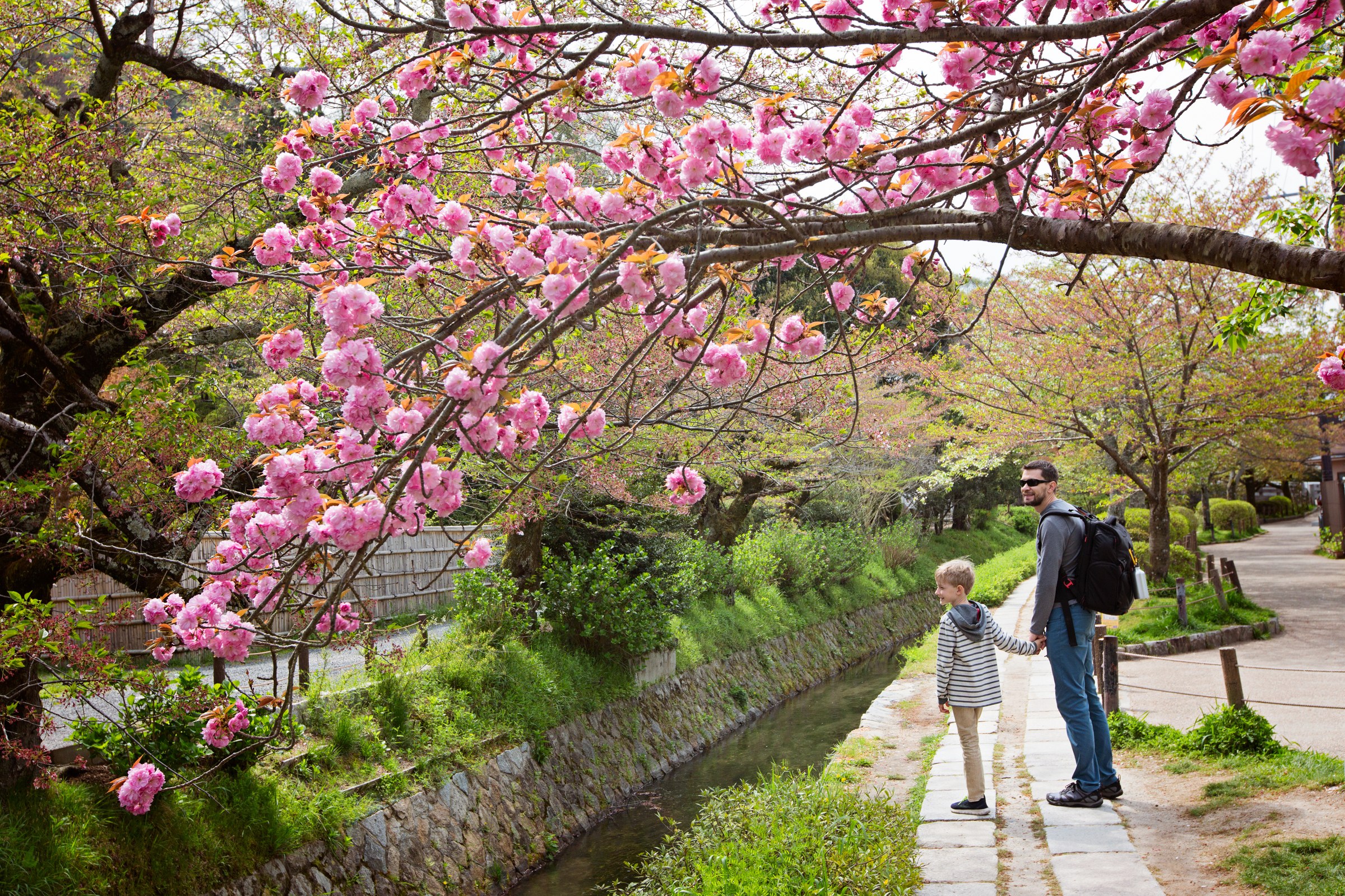
With a family.This is the clearest case. What ruins family days is not a lack of information — it is friction: the transfer with the bags, the room that turned out to sleep two, the eight-year-old who is finished at two o'clock. Remove those and the same itinerary becomes a holiday. Our family itinerary guide is built around exactly that principle.
On a short trip. With five days, a wasted morning is a fifth of your Japan. Timing stops being a nicety and becomes the whole thing — and timing is the easiest part to get wrong from abroad.
Off the line. In Tokyo a guide opens doors. In a mountain valley, a guide isthe door — the inn with no website, the road that is open this week, the innkeeper's story you cannot otherwise hear. Our off-the-beaten-path guide is honest about that gap.
If you came to eat.The best rooms in Japan seat eight and do not take bookings from people they don't know. That is the whole story, and no amount of persistence from abroad solves it.
Also honest
When you don't need one
At a glance
If you have time, like planning, and enjoy getting lost — Japan is a wonderful country to do independently, and a guide every day would get in the way. Many of our journeys include days with no guide at all.
Some of the best hours in Japan happen when nobody is arranging anything: the lane you turned down, the shop with no English sign, the place you found. If that is what you travel for, a guide at your elbow all fortnight would be a genuine loss, and we would say so.
This is why the journeys we plan are rarely guided end to end. A typical shape is a guided first day in each city — which orients you, opens the doors, and sets the timing — and then a lot of unguided days with the reservations already made and the bags already moved. You get the access without losing the drift. Nobody walks backwards in front of you.
Choosing
Guide, driver, or group tour?
At a glance
A driver moves you and your bags — worth more than people think on transfer days. A guide arranges, interprets and decides. A group tour is efficient and fixed. Most good journeys use the first two on some days and neither on others.
A private driver
Transfer days · Families · Weather

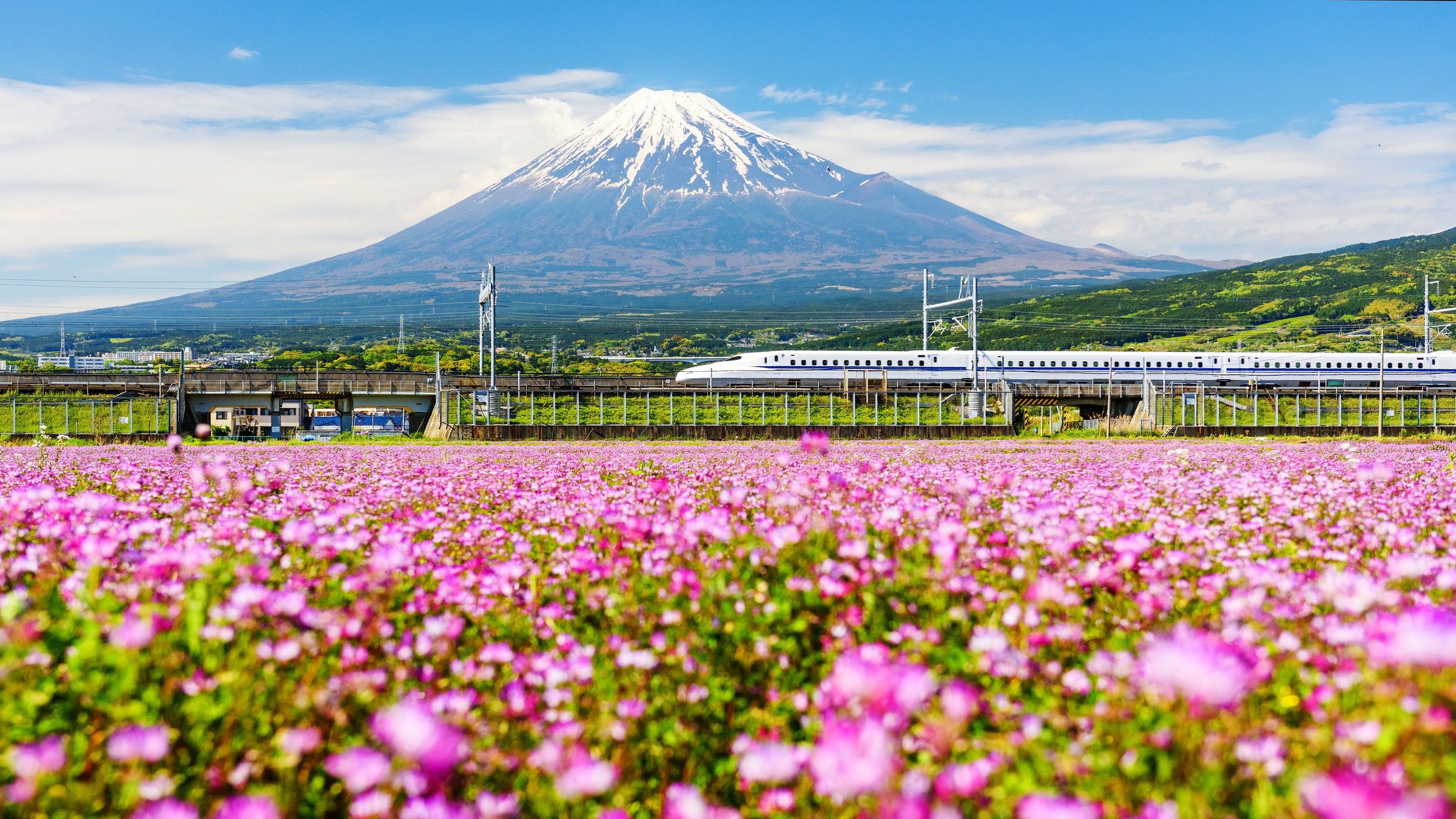
Underrated. On a transfer day with luggage, a driver turns a morning of platforms and stairs into an hour in a seat. And around Fuji, a driver who reads the cloud can take you to the shore that is clear today rather than the one on the plan — which is often the whole difference between seeing the mountain and not.
A private guide
Access · Timing · Language
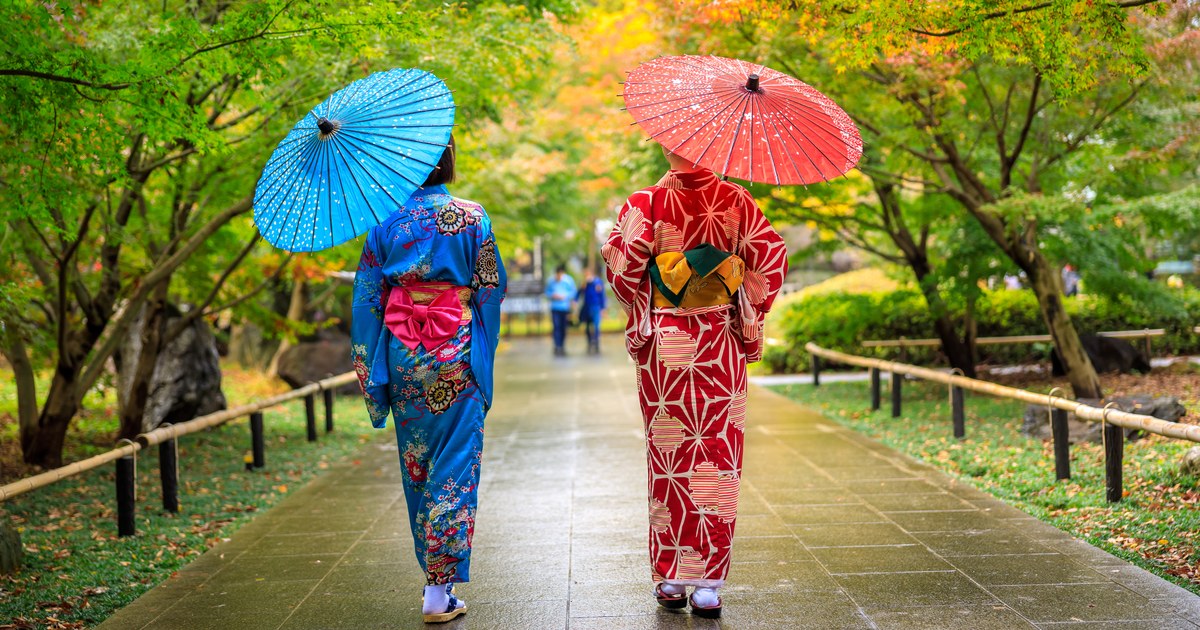
The person who made the reservation, knows the hour, and can ask the question. Most valuable on the first day in a city, in rural Japan, and anywhere the good thing sits behind a language and a relationship rather than a ticket.
A small group tour
Fixed · Efficient · Cheaper

An honest option, and the right one for plenty of people. You trade flexibility for price: the route is set, the pace is the group's, and it cannot change because the sky cleared this morning. If that trade suits you, it suits you — we would rather say that than pretend otherwise.
The real reason
The access problem nobody warns you about
At a glance
Japan's best small places — the eight-seat counter, the four-room inn, the artisan's workshop — do not take bookings from strangers abroad. Not in any language. This is the single biggest gap between a good trip and an extraordinary one.
This surprises people, and it is worth explaining properly because it is not what it looks like. A restaurant with eight seats and one chef cannot absorb a no-show; a ryokan with four rooms cannot absorb a guest who does not understand what is expected. So they take bookings through people they know. It is not exclusion for its own sake — it is how something that small survives at that quality.
The result, though, is a real two-tier Japan. There is the Japan that markets internationally, which is excellent and which you can book tonight. And there is the Japan behind it, which is where a great deal of the country's finest eating and lodging actually happens, and which is functionally invisible from abroad. Bridging that is, honestly, the main thing we are for.

If any of this sounds like your trip, the next step is just a conversation — what you like, who's coming, roughly when. No pitch, and no obligation to go further. Start a conversation →
The process
How a tailor-made journey comes together
At a glance
A conversation about what you actually like — not a list of sights. Then a draft shape, the reservations that must be made early, and a plan that stays deliberately loose where it should be.

It starts with a conversation, and the useful questions are rarely about Japan. What do you do on a good Saturday at home? Do you want to be busy or slow? Is anyone in the party going to hate a four-hour dinner? What did you love about the last trip that worked? The itinerary falls out of the answers — a couple who live for food and a family with a nine-year-old should not be sent on the same ten days, and usually are.
Then we draft the shape: cities, nights, the rhythm of moves. Then the things that must be locked early — the inns and counters that fill months out — and then, deliberately, we leave gaps. The best days in Japan are frequently the ones with nothing in them until four o'clock. Our Golden Route guide shows the classic shape; a real journey is that, bent around you.
Timing
How far ahead should you plan?
At a glance
Three to six months for most journeys. Longer for cherry blossom and autumn, when the finest inns fill a year out. The constraint is never the guide — it is the four-room ryokan.
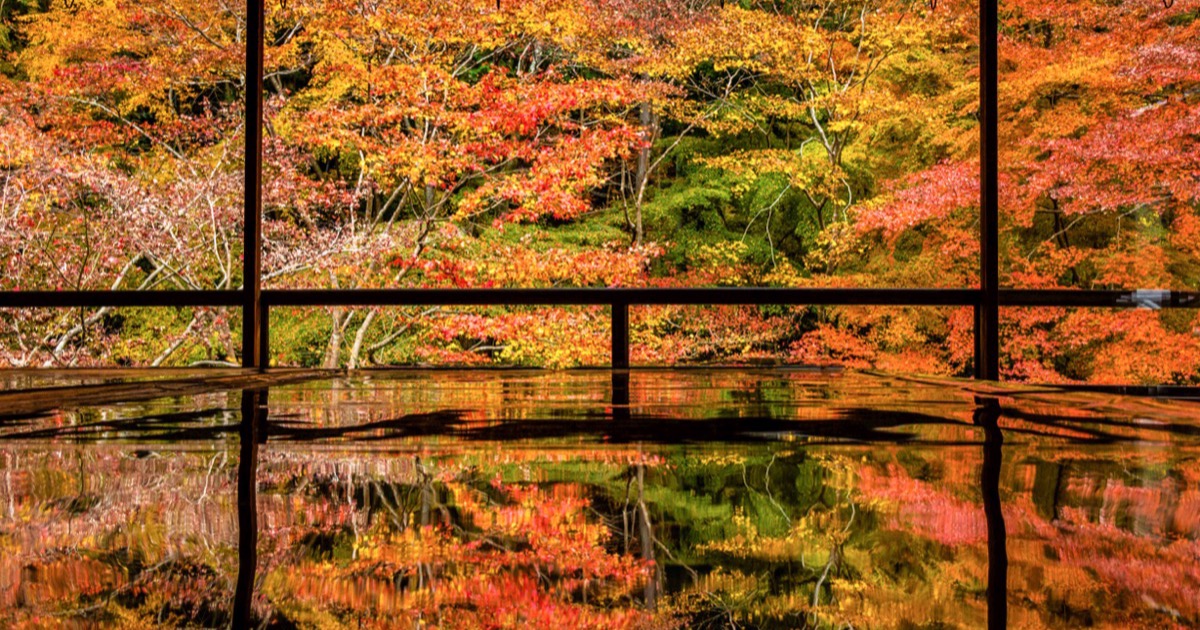
People assume the lead time is about our availability. It is not. It is about the small number of places worth building a trip around, which have very few rooms and very long memories. In cherry season the best inns are gone a year ahead; in November it is much the same. Everything else — flights, trains, cities — can be arranged far later.
Which means the honest advice is: if there is one thing you want, tell someone early. The rest can wait.
If your dates are fixed and close, it is still worth asking. Cancellations happen, relationships help, and the answer is sometimes yes. It is simply a smaller yes than it would have been six months ago.
The difference
What we actually do
We are a small team who live here and plan a limited number of journeys a year. We are not a booking platform and we do not run coaches. What we do is the unglamorous half: the phone calls in Japanese, the relationships with inns and counters, the ordering of a day so you arrive in the right hour, and the willingness to tear up tomorrow because the sky over Fuji has cleared today.
If that sounds like the trip you want, we'd love to hear what you have in mind. And if it doesn't — the guides on this site are yours to use regardless. That is what they are for.
Start a conversation →Questions, answered
What does a private guide in Japan actually do?+
Far less commentary than people expect, and far more logistics. A good private guide handles the reservations you cannot make from abroad, the timing that decides whether a famous place is beautiful or unbearable, the language at the moments it matters, and the quiet re-planning when the weather or the mood changes.
Is a private guide in Japan worth it?+
It depends on what you want from the trip. Japan is safe and navigable, so you do not need a guide to get around. Where it earns its place is access and timing — the small counter, the fine ryokan, the workshop, the empty temple at dawn — and on family trips, where it removes the friction that ruins days.
What is the difference between a private guide and a private driver?+
A driver moves you and your luggage, which on transfer days is worth more than people think. A guide interprets, arranges and decides — the reservations, the sequencing, the language. Many of the journeys we plan use both, and on some days neither.
How is a private tour different from a group tour?+
A group tour follows a fixed route at a fixed pace with fixed stops, and it is efficient. A private journey is built around you and can change on the morning — because Fuji is clear today, or because everyone is tired, or because the chef has something unexpected. The itinerary serves you rather than the reverse.
Do you need to speak Japanese to travel in Japan?+
No. Signage is in English, the trains are logical, and Japan is exceptionally safe and easy for independent travelers. What language closes off is the smaller half of the country — the counter with no menu, the inn with no website, the artisan who does not take strangers.
Can you book the best restaurants and ryokan in Japan from abroad?+
Often, no. Many of the finest small restaurants and inns take reservations only by phone, in Japanese, and frequently only from guests with a history there or an introduction. This is not snobbery; it is how small places protect a room of eight seats. It is also the single most common thing a concierge is asked to solve.
Is a private guide only for luxury travelers?+
Not in principle. The reason it tends to appear on more expensive trips is that the things a guide unlocks — the small counter, the private workshop, the fine inn — sit at that end. But a single guided day at the start of a two-week independent trip is a modest addition that changes the fortnight that follows.
How far in advance should you plan a private trip to Japan?+
Three to six months for most journeys; longer for cherry blossom and autumn, when the best inns fill a year out. The constraint is almost never the guide — it is the four-room ryokan and the eight-seat counter, which is exactly the part that has to be arranged early.
Continue exploring