
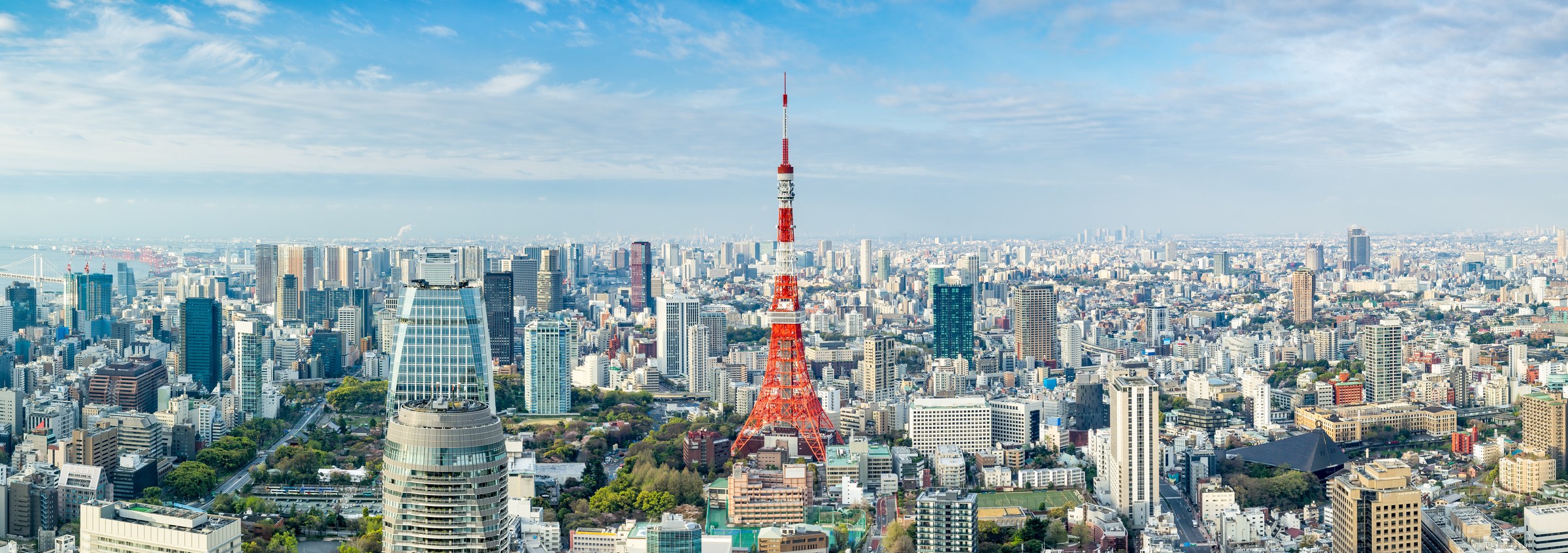
Travel Guide · Tokyo
Tokyo at a Glance: Areas, Days & Essentials
How many days you need, the neighborhoods that matter, and how to see Tokyo without the crowds.
Tokyo rewards the curious. Beneath the neon and the crossings is a city of quiet shrines, family-run counters and neighborhoods that each feel like their own town. This guide is the honest version — how long to stay, where to go, and what only opens up when someone local is a step ahead of you.
Quick answer
Three to four days is the sweet spot for a first visit to Tokyo — enough for the icons, a couple of quiet neighborhoods, and one day trip to Hakone or Kamakura, without ever feeling rushed.
Planning
How many days do you need in Tokyo?
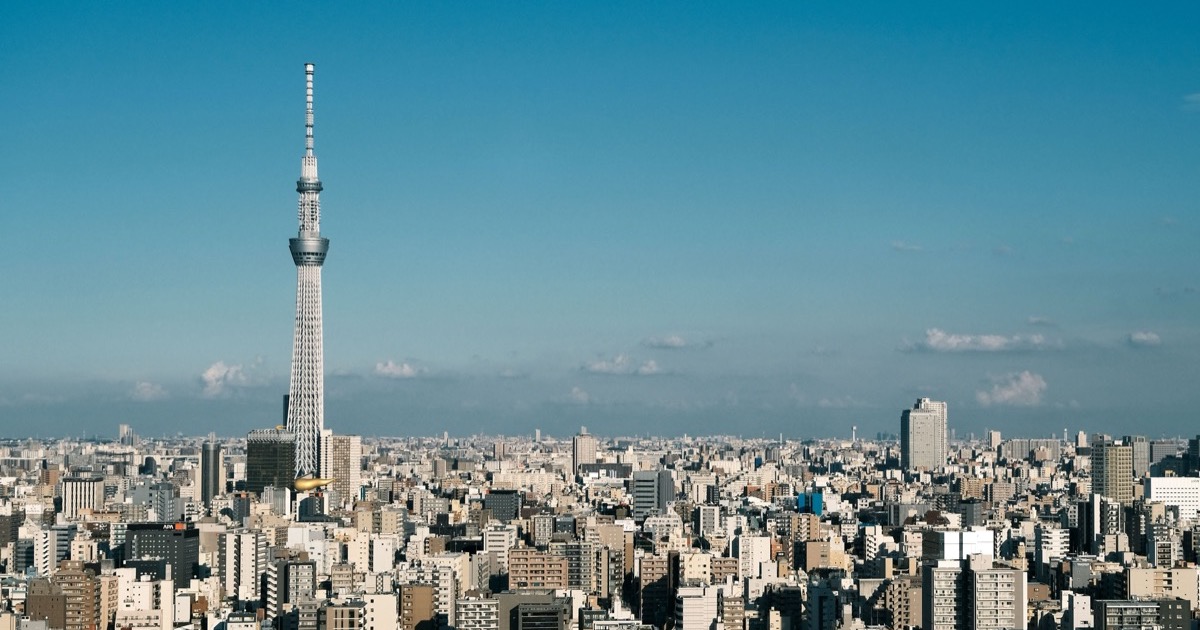
Tokyo can fill a week and still leave you wanting more — but most travelers get the balance right at three to four days, then move on to Kyoto with the city firmly under their skin.
| Length | Who it suits |
|---|---|
| 2 days | A first taste on a wider Japan loop — icons only, at pace. |
| 3–4 days | The sweet spot. Icons, quiet neighborhoods, one day trip. |
| 5+ days | Deep-divers, families, and anyone chasing food and craft. |
Our own view: most guides optimize for seeing more. We optimize for experiencing deeper — an extra day in Tokyo usually buys access, not another checklist sight.
Orientation
Tokyo by neighborhood
Tokyo is less a single city than a constellation of neighborhoods, each with its own character. These are the ones worth your time — and how to think about them.
 Old Tokyo
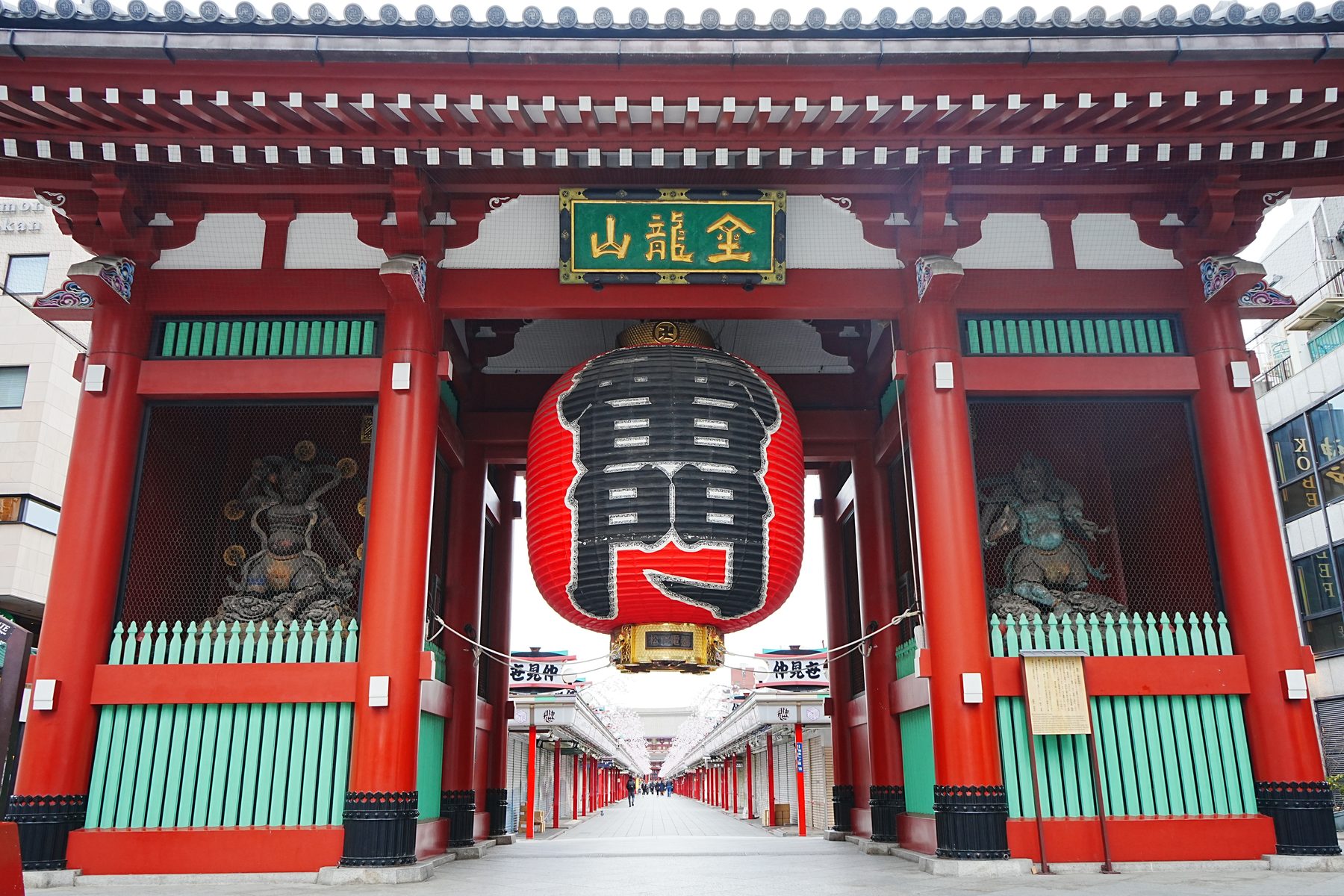
Asakusa
Senso-ji temple, the Nakamise arcade and the low-rise streets where old Edo still breathes.
 Youth & style
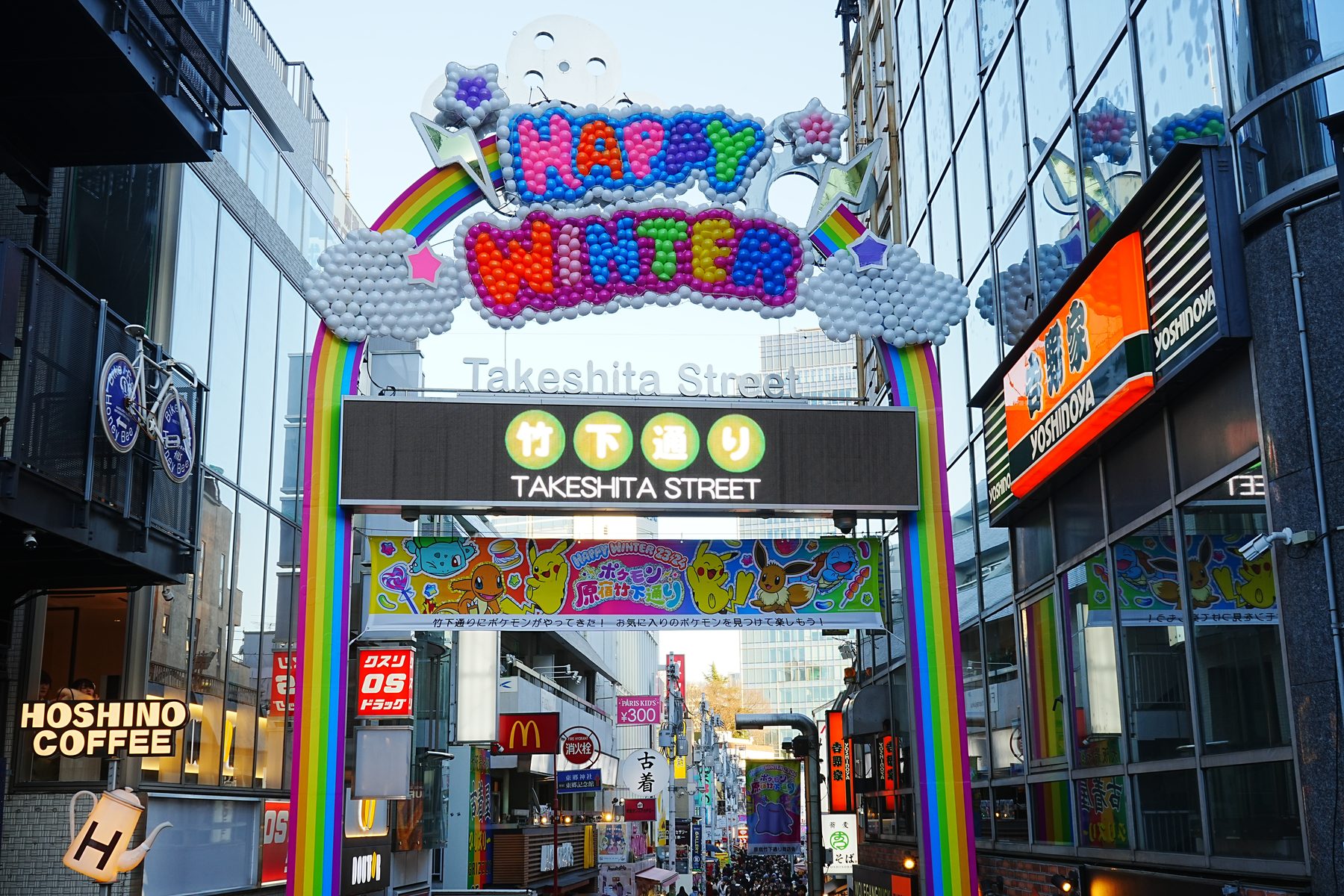
Shibuya & Harajuku
The world's busiest crossing, backstreet vintage lanes and Tokyo's fashion pulse.
 Neon & nightlife
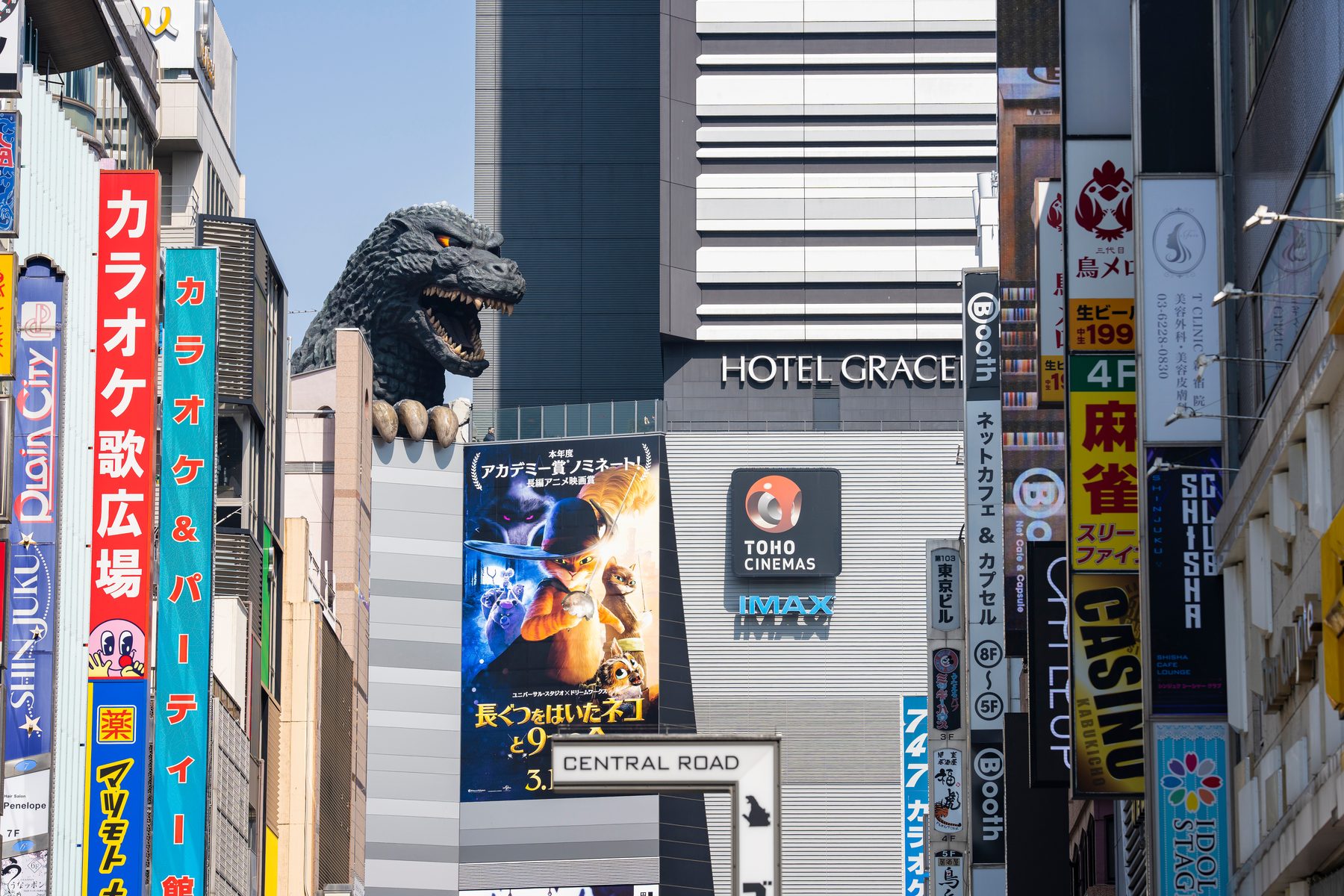
Shinjuku
Skyscraper canyons, tiny lantern-lit bars in Golden Gai, and the best base for first-timers.
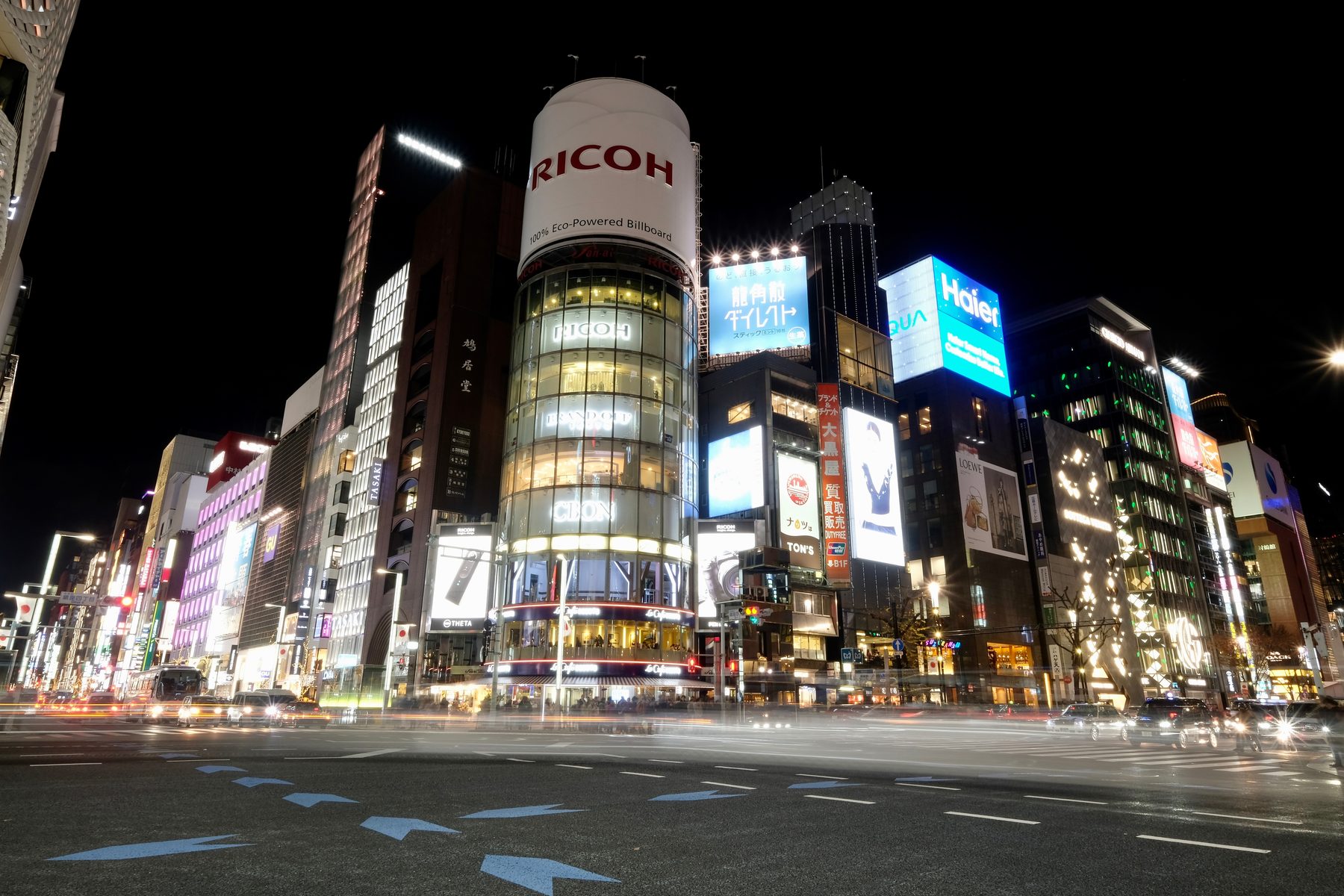 Refined
Ginza & Marunouchi
Flagship boutiques, hidden sushi counters and quiet galleries a step from Tokyo Station.
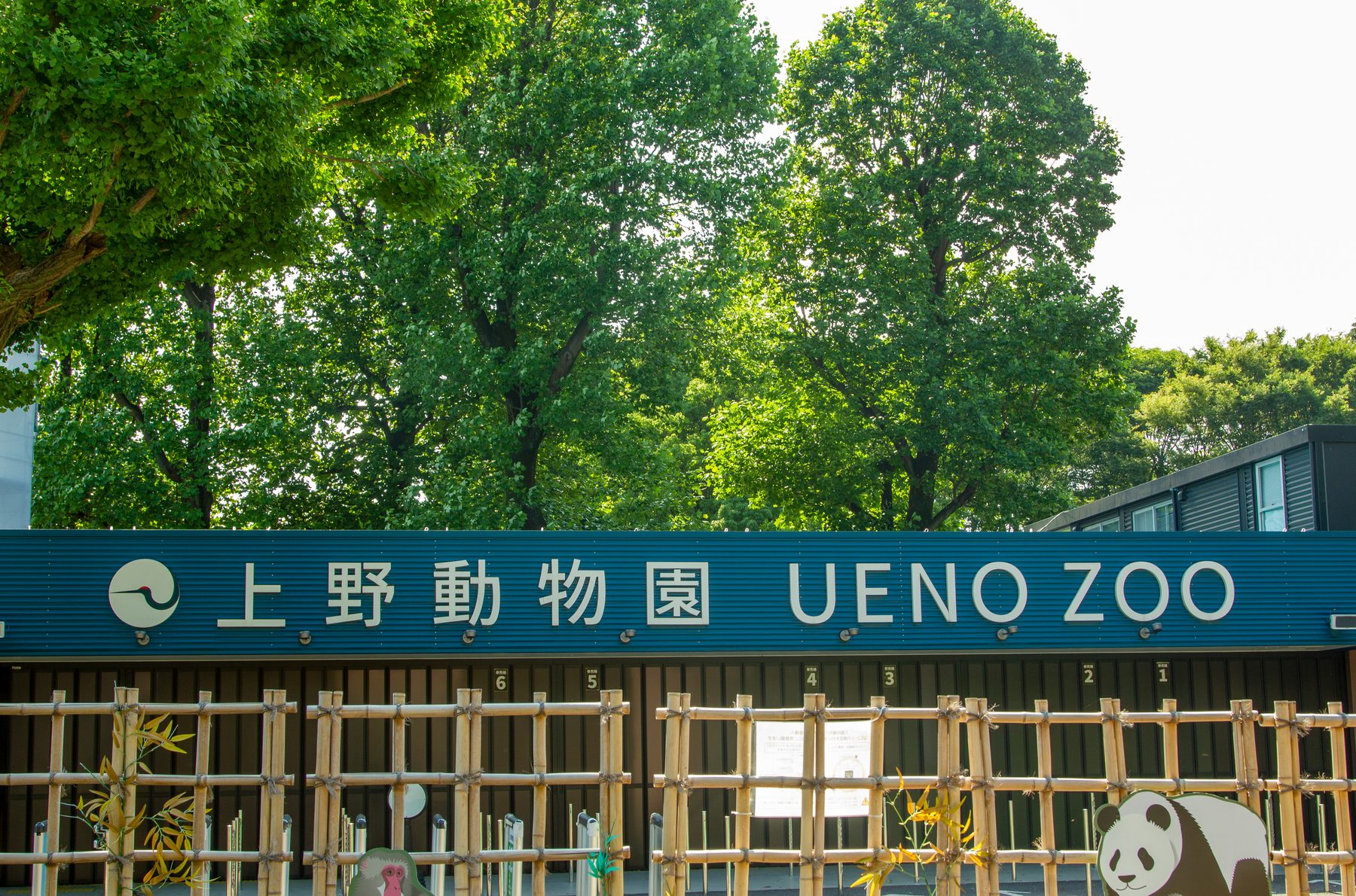 Museums & calm
Ueno & Yanaka
Great museums, a sprawling park, and the low-key old-town lanes of Yanaka next door.
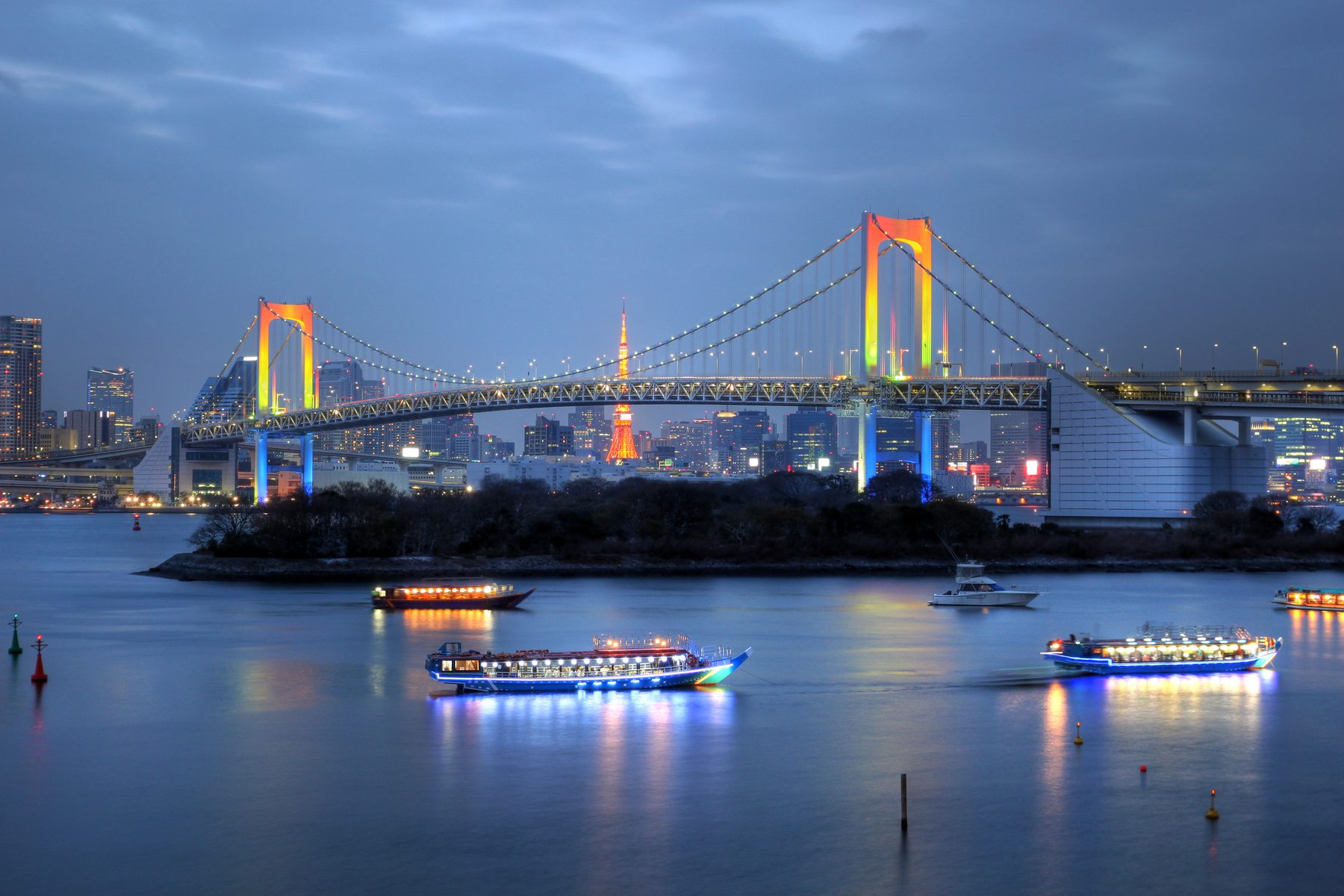 Family & future
Odaiba & the bay
teamLab's digital art, waterfront views and space for younger travelers to roam.
For families & teens
Tokyo with the family
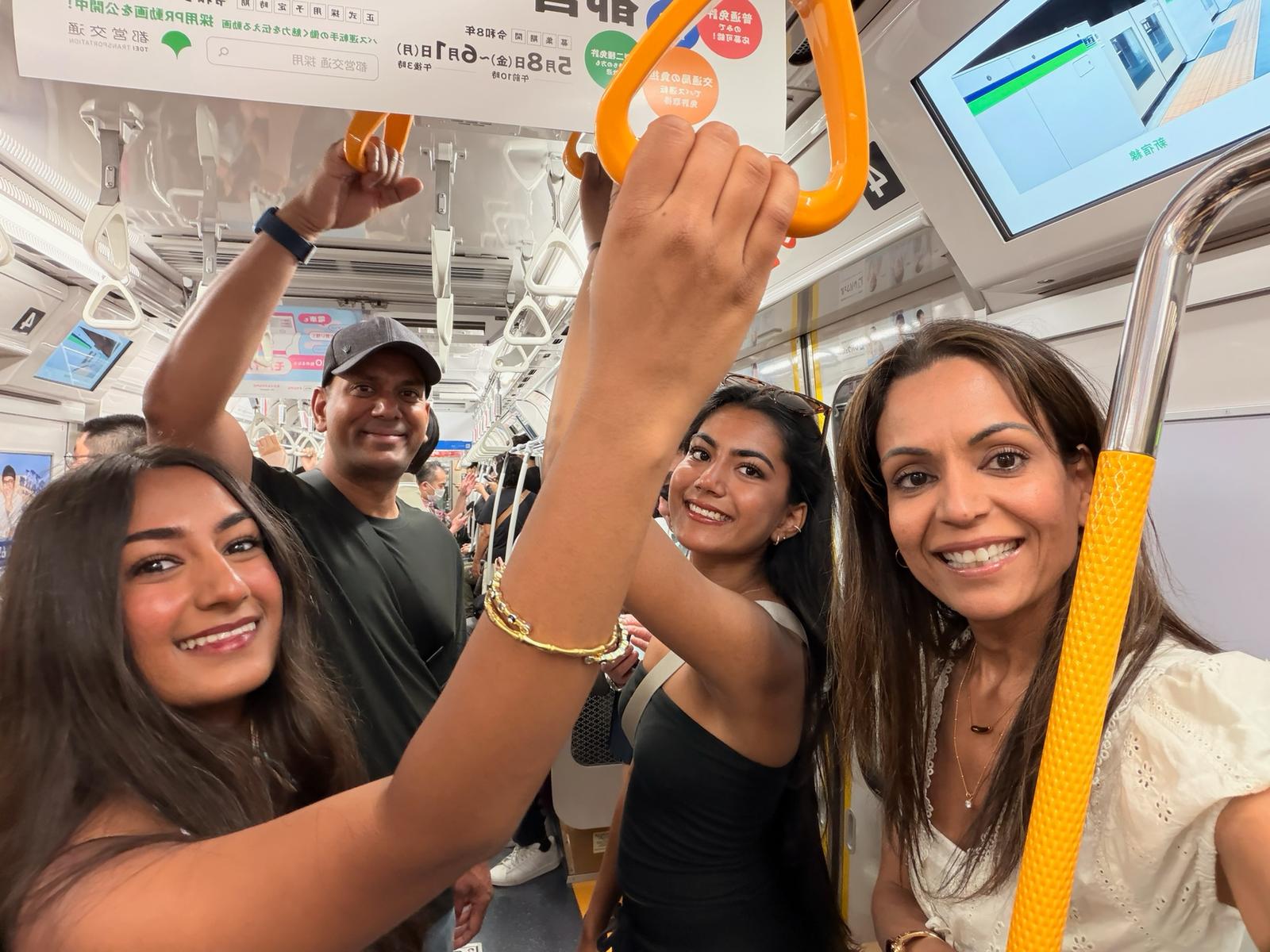
Few cities hold a family's attention like Tokyo. Teenagers gravitate to the vintage lanes of Shimokitazawa and the energy of Shibuya; younger children to teamLab and the zoo and museums of Ueno; parents to the quiet teppanyaki dinners in between.
The trick is pacing — one headline area a day, an early dinner, and a plan flexible enough to follow the weather and everyone's mood.
After dark
Tokyo after dark

Tokyo changes character at night. The lantern-lit alleys of Golden Gai and Omoide Yokocho, the glow of Shinjuku from a quiet high bar, a late ramen counter with a queue that's worth it — this is the city many travelers remember most.
Insider tip: the best counters seat six and take no walk-ins. This is where a local connection quietly changes your evening.
Practicalities
Getting around Tokyo
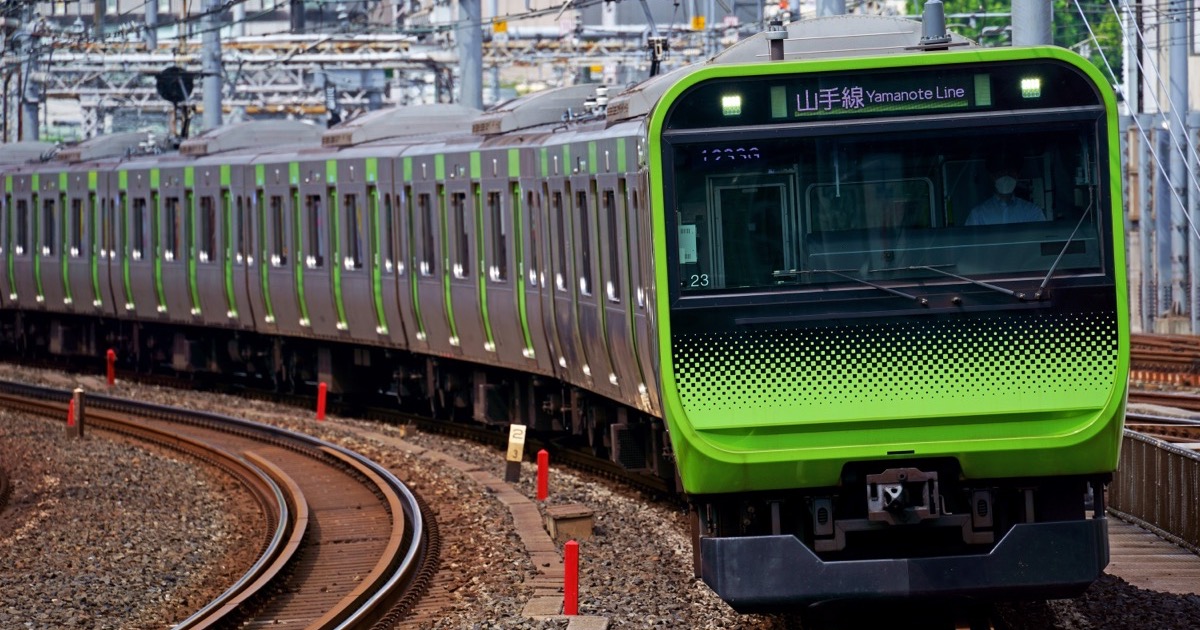
Tokyo's trains are the fastest, cheapest way to move — clean, punctual and signed in English. A rechargeable IC card (Suica or PASMO) taps you through every gate and most convenience stores.
For families and older travelers, a private car takes the friction out of the longer hops and the end-of-day tiredness. Most of our guests mix both: trains by day, a driver when it counts.
Timing
When to visit Tokyo
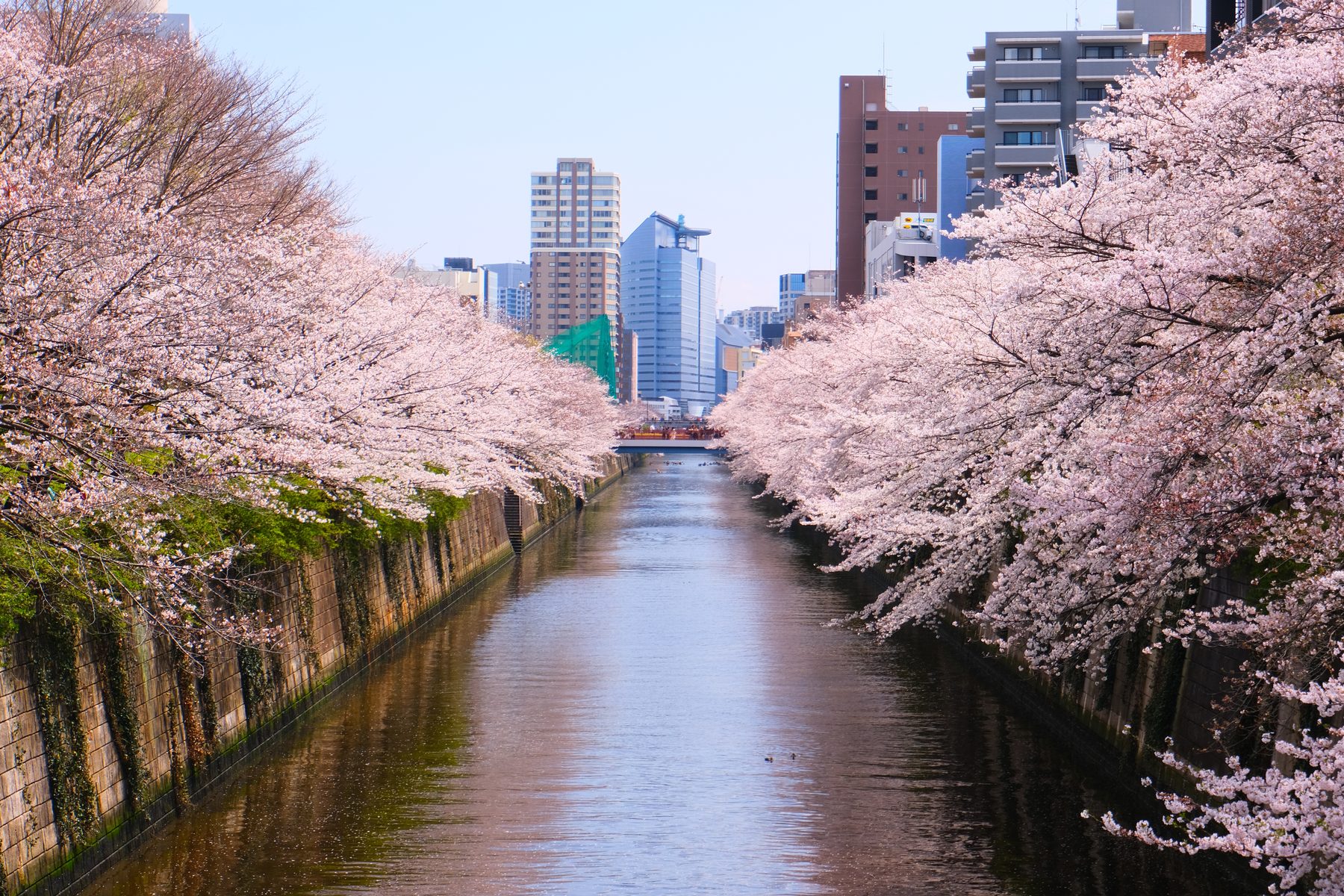
Spring (late March–April) brings the cherry blossoms; autumn (November) the maples and the clearest skies. Both are beautiful and busy. February and early summer are quieter and, for a discerning traveler, often the smarter choice.
For a month-by-month view, see our best time to visit Japan guide.
The difference
What a private guide adds
Everything above, you could do alone. What you can't easily arrange is the after-hours temple, the chef's counter that seats six, the artisan who opens his workshop for you — the Tokyo that sits behind a language and a reservation barrier.
That's the part we handle. You simply get to be present for it.
Questions, answered
How many days do you need in Tokyo?+
Three to four days is the sweet spot for a first visit. Two days covers the headline sights at a rush; four to five lets you slow down, add a day trip to Hakone or Kamakura, and see the quiet neighborhoods between the icons.
Is Tokyo good for families with teenagers?+
Very. Harajuku and Shibuya for shopping and street food, teamLab and Akihabara for the pop-culture side, Ueno's museums and parks for a slower afternoon — the mix holds every age without anyone getting bored.
What is the best area to stay in Tokyo?+
Shinjuku and Tokyo Station areas are the most convenient for first-timers — central, superbly connected, and walkable to dining at night. Asakusa suits travelers who want old-Tokyo atmosphere over convenience.
Do you need to speak Japanese to get around Tokyo?+
No. Signage and station names are in English, and IC cards make the trains simple. That said, the best of Tokyo — a chef's counter, an after-hours temple, a maker's workshop — often sits behind a language and reservation barrier that a guide removes entirely.
Continue exploring
Planning your Tokyo days?
Tell us who's traveling and what moves you. We'll shape a Tokyo — and a Japan — that's entirely your own.
Begin your journey →